10 Clever Ways How to Create a Privacy Screen
The smell of damp, anaerobic clay gives way to the sharp, metallic scent of freshly turned friable loam as you prepare the perimeter. A healthy leaf maintains high turgor pressure; its cells are distended with water to keep the foliage rigid against the wind. Learning how to create a privacy screen requires more than aesthetic placement. It demands an understanding of biomass accumulation and the physiological limits of your chosen species to ensure a dense, impenetrable barrier.
Materials:
Successful screening begins in the rhizosphere. You must match your soil chemistry to the specific demands of the species. For coniferous screens like Thuja occidentalis, aim for a pH between 6.0 and 8.0. Broadleaf evergreens like Prunus laurocerasus prefer slightly acidic conditions, ideally 5.5 to 6.5 pH.
The substrate must be a friable loam with a high Cation Exchange Capacity (CEC). A high CEC ensures the soil can hold onto essential positively charged nutrients like Calcium (Ca2+) and Magnesium (Mg2+). Incorporate organic matter to achieve a soil bulk density of approximately 1.3 grams per cubic centimeter. For the initial establishment phase, use a fertilizer with an NPK ratio of 10-10-10 to support balanced root and shoot development. Once established, transition to a 20-10-10 blend to prioritize the vegetative growth necessary for visual occlusion.
Timing:
The biological clock of a privacy screen is dictated by the photoperiod and the thermoperiod. In Hardiness Zones 5 through 7, planting should occur in early spring, at least three weeks before the last frost date, or in early autumn, six weeks before the first hard freeze. This allows the root system to establish before the plant enters dormancy or faces the high transpiration demands of summer.
During the transition from the vegetative stage to the reproductive stage, the plant shifts energy from leaf production to seed or fruit development. For a privacy screen, you want to prolong the vegetative stage. This is achieved by maintaining consistent nitrogen levels and ensuring the plant does not experience drought stress, which can trigger premature senescence.
Phases:
Sowing and Selection
If starting from seed, scarification may be necessary to break physical dormancy. However, most privacy screens are established using container-grown or ball-and-burlap specimens. Select plants with a strong central leader and no signs of circling roots, which indicate a pot-bound state that will limit future nutrient uptake.
Pro-Tip: When selecting plants, check for apical dominance. Biological Why: The primary terminal bud inhibits the growth of lateral buds through the production of auxins. By managing the central leader, you control the vertical trajectory and eventual density of the screen.
Transplanting
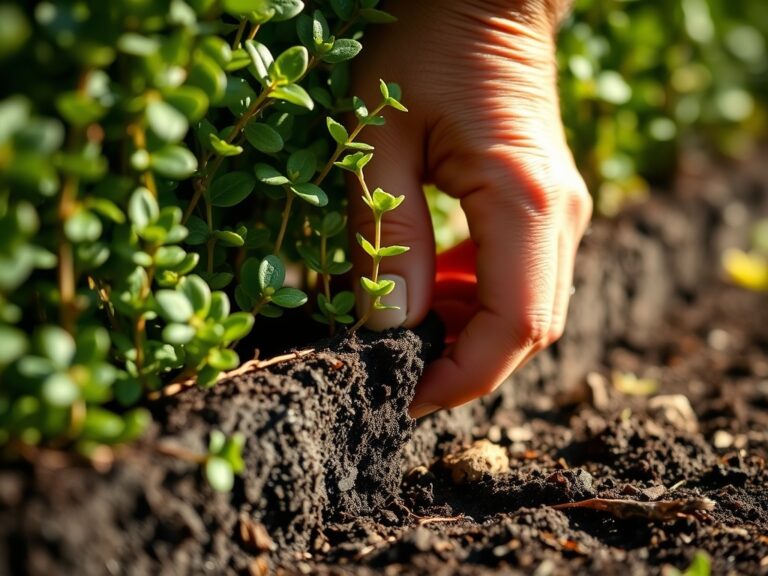
Dig a hole two times wider than the root ball but no deeper. Planting too deep leads to stem girdling and hypoxia. The root flare must remain visible at the soil surface. Backfill with native soil to ensure the roots do not experience "container shock" when they hit the interface between amended and unamended earth.
Pro-Tip: Inoculate the planting hole with endomycorrhizal fungi. Biological Why: Mycorrhizal symbiosis increases the effective surface area of the root system by up to 1,000 times, significantly enhancing phosphorus uptake and drought resistance through a biological network.
Establishing
During the first 12 to 24 months, the plant is in the establishment phase. It requires consistent moisture to maintain cell turgidity. Use a soil moisture meter to ensure the root zone remains at 60% to 80% field capacity. Avoid overwatering, which displaces oxygen in the soil pores and leads to root rot.
Pro-Tip: Apply a 3-inch layer of organic mulch, keeping it 4 inches away from the trunk. Biological Why: Mulch regulates soil temperature and prevents competitive weed growth, reducing the "allelopathic" stress caused by neighboring species competing for the same nitrogen pool.
The Clinic:
Physiological disorders often manifest before a plant's total failure. Monitoring the foliage provides a real-time data feed on the health of your screen.
- Symptom: Interveinal chlorosis (yellowing between green veins) on new growth.
Solution: This indicates an Iron (Fe) deficiency, often caused by high soil pH. Apply chelated iron and adjust soil pH to a lower range. - Symptom: Needle browning from the inside out on conifers.
Solution: This is often "inner needle shed," a natural process of senescence where the plant sheds old foliage that no longer receives enough light for photosynthesis. Increase light penetration through selective thinning. - Symptom: Marginal leaf burn or scorching.
Solution: This is typically a sign of potassium deficiency or salt accumulation. Flush the soil with 2 inches of water and apply a 0-0-50 sulfate of potash supplement.
Fix-It for Nitrogen Chlorosis: If the oldest leaves are turning a uniform pale yellow, the plant is scavenging nitrogen to support new growth. Apply a quick-release high-nitrogen fertilizer (30-0-0) at a rate of 1 pound of actual nitrogen per 1,000 square feet.
Maintenance:
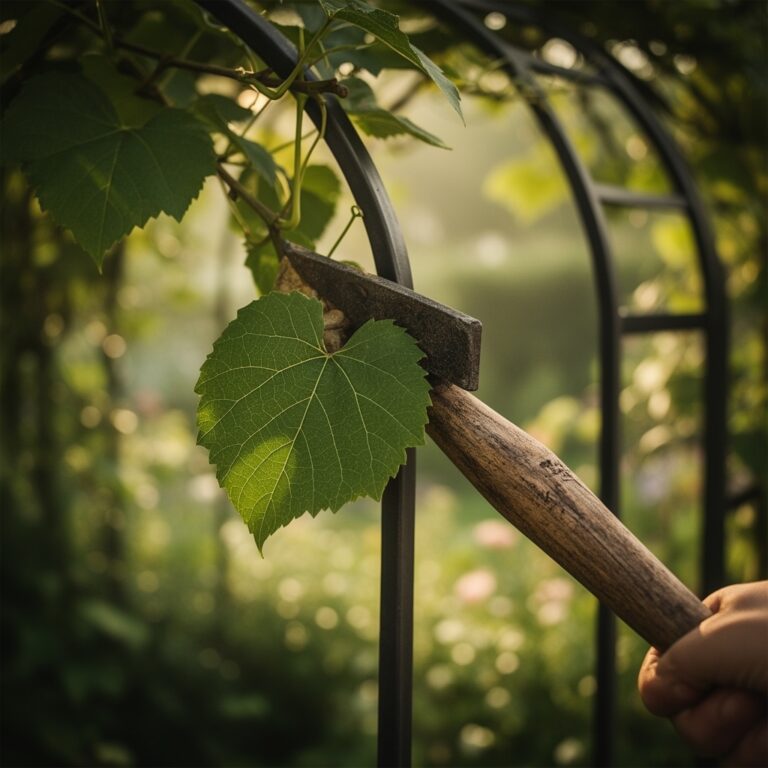
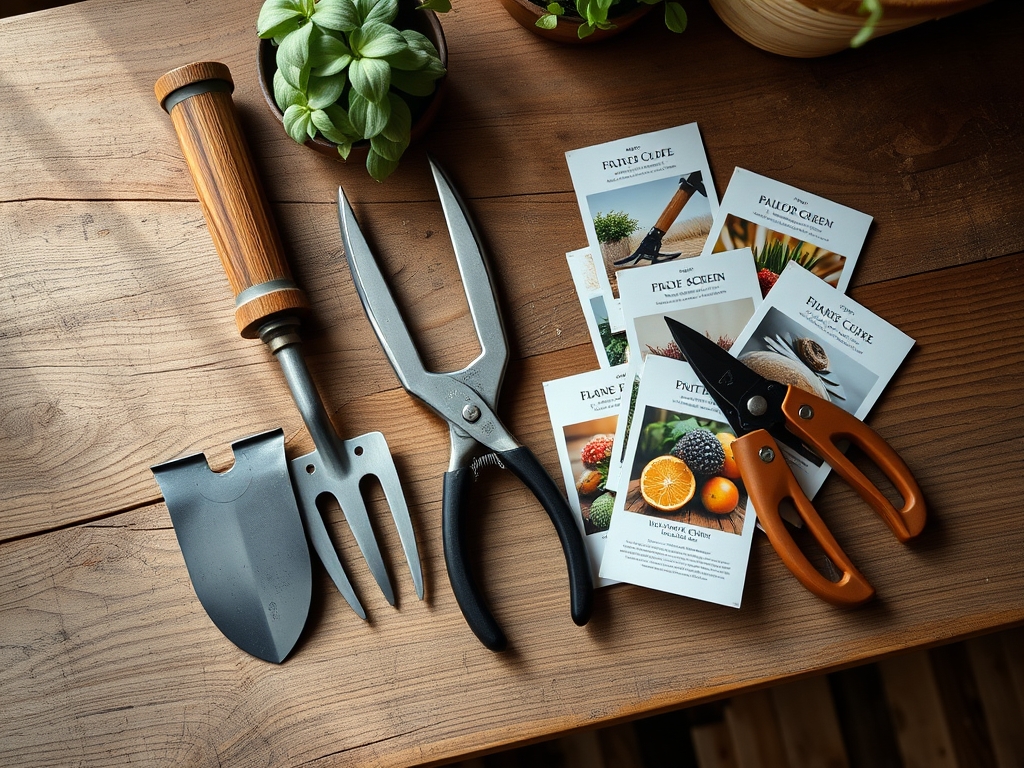
Precision is the difference between a hedge and a wall. Use a hori-hori knife to remove deep-rooted perennial weeds that compete for moisture. Irrigation must be targeted; apply 1.5 inches of water per week at the drip line, rather than at the base of the trunk. This encourages the root system to expand outward, increasing structural stability against wind loads.
Pruning should be performed with sharp bypass pruners to ensure clean cuts that callus over quickly. For formal screens, prune in a "keystone" shape; the base must be wider than the top. This allows sunlight to reach the lower branches, preventing the bottom of the screen from becoming leggy and sparse due to shade-induced leaf drop.
The Yield:
For screens utilizing species like Laurus nobilis (Bay Laurel) or Taxus (Yew), the "yield" is the biomass itself. If harvesting bay leaves, pick them in the early morning when essential oil concentrations are highest. For Yew, pruning provides softwood cuttings for propagation. Use a sterilized blade to take 6-inch cuttings from the current year's growth. Dip the cut end in an IBA (Indole-3-butyric acid) rooting hormone at a concentration of 3,000 ppm to stimulate adventitious root formation.
FAQ:
How far apart should I space plants for a screen?
Space plants at 50% to 75% of their mature spread. For a plant with a 10-foot mature width, space them 5 to 7.5 feet apart on center. This ensures canopy closure within three to five years without overcrowding.
What is the fastest-growing plant for a privacy screen?
× Cupressocyparis leylandii can grow 3 to 4 feet annually. However, this rapid cell elongation requires significant nitrogen and consistent moisture. Without proper pruning, the high growth rate can lead to structural instability and internal shading issues.
Can I create a screen in full shade?
Yes, but you must select shade-tolerant species like Taxus or Ilex x meserveae. These plants have adapted to lower light levels by increasing chlorophyll density. Growth will be slower than in full sun, typically 6 to 10 inches per year.
How do I stop my screen from getting too tall?
Perform "heading cuts" on the central leader once the desired height is reached. This disrupts apical dominance and redirects auxins to lateral buds. This encourages the plant to put energy into horizontal density rather than vertical extension.