5 Best Low Maintenance Shrubs for Sun
Crushing a handful of friable loam reveals the structural integrity of your soil; the earthy scent of geosmin indicates a healthy microbial population. When the sun hits peak intensity, the turgor pressure within a leaf determines whether a plant thrives or collapses into cellular senescence. Selecting the best low maintenance shrubs for sun requires a deep understanding of solar radiation and transpiration rates. High-performance shrubs must manage intense UV exposure while maintaining metabolic efficiency. These woody perennials are engineered for resilience, requiring minimal intervention once their root systems integrate with the local rhizosphere.
Success in the landscape is not accidental; it is a byproduct of matching a species' physiological requirements to the site's environmental stressors. The best low maintenance shrubs for sun are those that exhibit high drought tolerance and efficient nutrient uptake. We focus on five cultivars: Potentilla fruticosa, Physocarpus opulifolius, Juniperus horizontalis, Spiraea japonica, and Rhus typhina. Each species offers a specific architectural value while demanding very little in terms of supplemental irrigation or chemical inputs. By prioritizing structural health and soil chemistry, you ensure these specimens remain vigorous for decades.
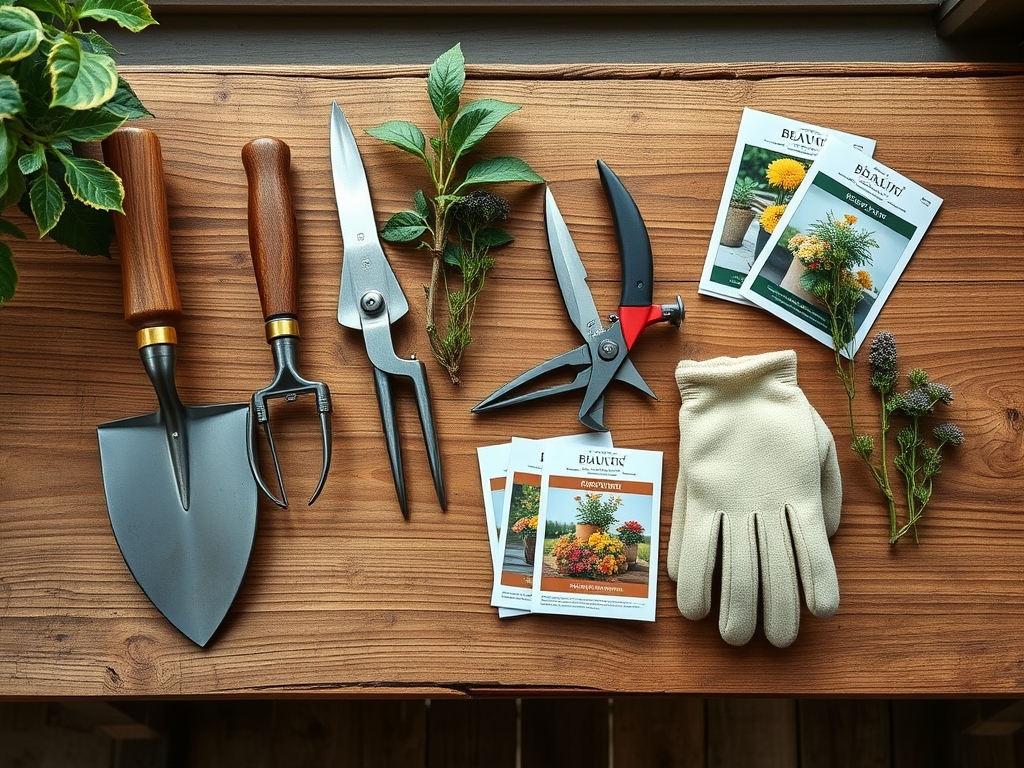
Materials:
The foundation of shrub longevity is the Cation Exchange Capacity (CEC) of the substrate. A high CEC allows the soil to retain essential nutrients like potassium and magnesium against leaching. For these sun-loving shrubs, aim for a soil pH between 6.0 and 7.5.
- Potentilla and Spiraea: Prefer a balanced 10-10-10 NPK ratio during the initial establishment phase. They thrive in well-drained, silty clay loams.
- Physocarpus (Ninebark): Requires slightly acidic conditions (pH 5.5 to 6.5) to maintain deep foliar pigmentation. Use an acidic mulch like pine needles to lower pH over time.
- Juniperus: Needs a gritty, coarse-textured substrate with high macroporosity. Avoid heavy clays that trap moisture around the root crown.
- Rhus (Sumac): Highly adaptable but performs best in poor, rocky soils where nitrogen levels are moderate (5-10-5 NPK). Excessive nitrogen leads to leggy, weak growth.
Timing:
Planting windows are dictated by the biological clock of the specimen. For USDA Hardiness Zones 3 through 8, the primary planting window occurs during the dormant season or early spring before bud break.
The transition from vegetative growth to reproductive stages is triggered by the photoperiod. Planting in autumn, at least six weeks before the first hard frost, allows for significant root development without the metabolic demand of foliage production. In spring, wait until soil temperatures consistently reach 50 degrees Fahrenheit. This temperature threshold ensures that the metabolic enzymes within the roots are active enough to facilitate nutrient transport. Avoid planting during the heat of mid-summer; high evapotranspiration rates can lead to permanent wilting point before the roots have established hydraulic lift.
Phases:

Sowing and Propagation
While most woody shrubs are purchased as container-grown stock, propagation via softwood cuttings is an efficient way to expand your inventory. Take 4 to 6 inch cuttings in late spring when the plant is in a state of rapid vegetative expansion.
Pro-Tip: Use a rooting hormone containing Indole-3-butyric acid (IBA). This synthetic auxin mimics the plant's natural signaling molecules, stimulating the undifferentiated cells at the node to transform into root tissue through a process called adventitious root formation.
Transplanting
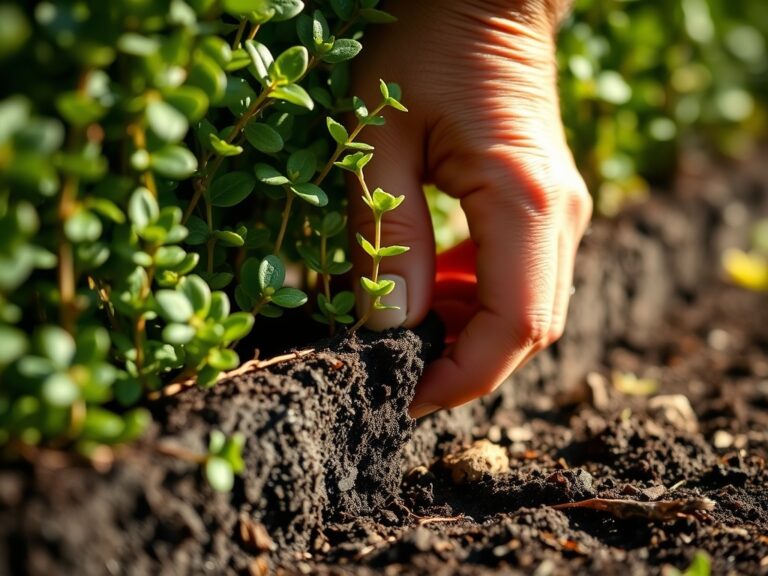
Dig a hole twice as wide as the root ball but no deeper. The root flare (where the trunk expands into roots) must remain at or slightly above the soil line. If buried too deep, the bark is subject to fungal pathogens and oxygen deprivation.
Pro-Tip: Gently scarify the edges of the planting hole with a hori-hori knife. This breaks the "glazing" effect caused by shovels in clay soils, allowing fine root hairs to penetrate the surrounding soil matrix rather than circling the hole.
Establishing
During the first growing season, the focus is on the rhizosphere. Apply a 2 to 3 inch layer of organic mulch to regulate soil temperature and suppress weed competition. Monitor soil moisture using a digital moisture meter to ensure the root zone stays between 20% and 40% volumetric water content.
Pro-Tip: Inoculate the planting hole with endomycorrhizal fungi. This symbiotic relationship extends the reach of the root system, increasing the surface area for water and phosphorus absorption by up to 1,000 times.
The Clinic:
Physiological disorders often mimic infectious diseases. Accurate diagnosis requires looking at the pattern of the symptom.
- Symptom: Interveinal chlorosis (yellowing between green leaf veins) on new growth.
- Solution: This indicates an Iron (Fe) deficiency, often caused by high soil pH locking up micronutrients. Apply chelated iron to the soil.
- Symptom: Marginal leaf burn or scorching on older leaves.
- Solution: This is typically a Potassium (K) deficiency or salt accumulation. Flush the soil with 2 inches of water to leach salts and apply a high-potash fertilizer.
- Symptom: Stunted growth and purple-tinted foliage.
- Solution: Phosphorus (P) deficiency, common in cold, wet soils where P becomes immobile. Improve drainage and wait for soil temperatures to rise.
- Symptom: General yellowing (chlorosis) of the oldest leaves first.
- Solution: Nitrogen (N) deficiency. The plant is scavenging nitrogen from old tissue to support new growth. Apply a slow-release nitrogen source like blood meal or a 10-0-0 organic fertilizer.
Maintenance:
Precision maintenance reduces labor and improves plant health. These shrubs require 1.5 inches of water per week delivered directly to the drip line. Avoid overhead irrigation, which increases leaf wetness duration and invites powdery mildew. Use a soil moisture meter to verify that the top 6 inches of soil are drying out slightly between watering cycles; this encourages deeper root penetration.
Pruning should be performed with sharp bypass pruners to ensure clean vascular cuts that heal quickly. For Spiraea and Potentilla, prune in late winter to remove one-third of the oldest canes. This "renewal pruning" stimulates the production of new, vigorous wood. For Physocarpus, prune immediately after flowering to avoid cutting off next year's buds. Always disinfect tools with 70% isopropyl alcohol between plants to prevent the mechanical transmission of pathogens.
The Yield:
For flowering varieties like Spiraea or Potentilla, the yield is the floral display. To maximize bloom duration, practice "deadheading" by removing spent flower clusters. This prevents the plant from diverting energy into seed production (the reproductive phase) and keeps it in a vegetative flowering state.
If you are harvesting stems for indoor arrangements, cut early in the morning when the turgor pressure is highest. Immediately plunge the stems into 100-degree Fahrenheit water to remove air bubbles from the xylem. Store in a cool, dark location for two hours before moving to a final vase to ensure "day-one" freshness and maximum vase life.
FAQ:
How often should I water established low maintenance shrubs?
Established shrubs generally require deep watering once every 7 to 10 days during dry periods. Aim for 1.5 inches of water delivered to the root zone. Use a moisture meter to ensure the soil is dry 2 inches down before re-watering.
What is the best fertilizer for sun-loving shrubs?
A balanced, slow-release 10-10-10 NPK fertilizer applied in early spring is ideal. Avoid high-nitrogen formulas in late summer, as this stimulates tender new growth that can be damaged by early autumn frosts and winter desiccation.
Why are the leaves on my Ninebark turning green?
This is often caused by insufficient solar radiation or excessive nitrogen. Ensure the plant receives at least 6 hours of direct sun. High nitrogen levels can also trigger a reversion to green as the plant prioritizes rapid vegetative expansion over pigment production.
When is the best time to prune Spiraea?
Prune Spiraea japonica in late winter or very early spring before new growth emerges. Since they bloom on new wood, this timing allows the plant to produce a flush of flowering stems for the upcoming summer season.
Do these shrubs need winter protection?
In zones 3 and 4, apply a 4-inch layer of wood chips around the base to insulate the root system. For evergreens like Juniper, an anti-desiccant spray can prevent winter burn caused by dry winds and frozen soil preventing water uptake.