6 Year-Round Benefits of Specialized Houseplant Fertilizer
Crush a handful of aged potting medium and the scent of geosmin fills the air; it is the olfactory signature of a healthy rhizosphere. When you press a leaf between your thumb and forefinger, the resistance you feel is turgor pressure, a direct result of cellular hydration and osmotic balance. Maintaining this structural integrity requires more than just water and light. Using a specialized houseplant fertilizer ensures that the substrate remains chemically balanced to prevent the salt accumulation common with generic garden blends. In a confined pot, the nutrient reservoir is finite. Once the initial charge of minerals is depleted, the plant enters a state of metabolic stagnation. By providing a precise ratio of macro and micronutrients, you stabilize the internal chemistry of the plant, allowing for consistent cell wall synthesis and chlorophyll production. This technical approach prevents the erratic growth spurts and subsequent dieback often seen in neglected indoor specimens.
The goal is to move beyond mere survival. We are engineering an environment where the plant can optimize its photosynthetic efficiency regardless of the season. Using a specialized houseplant fertilizer allows for the manipulation of the Cation Exchange Capacity (CEC) within the container, ensuring that ions like potassium and magnesium remain available at the root hair interface.
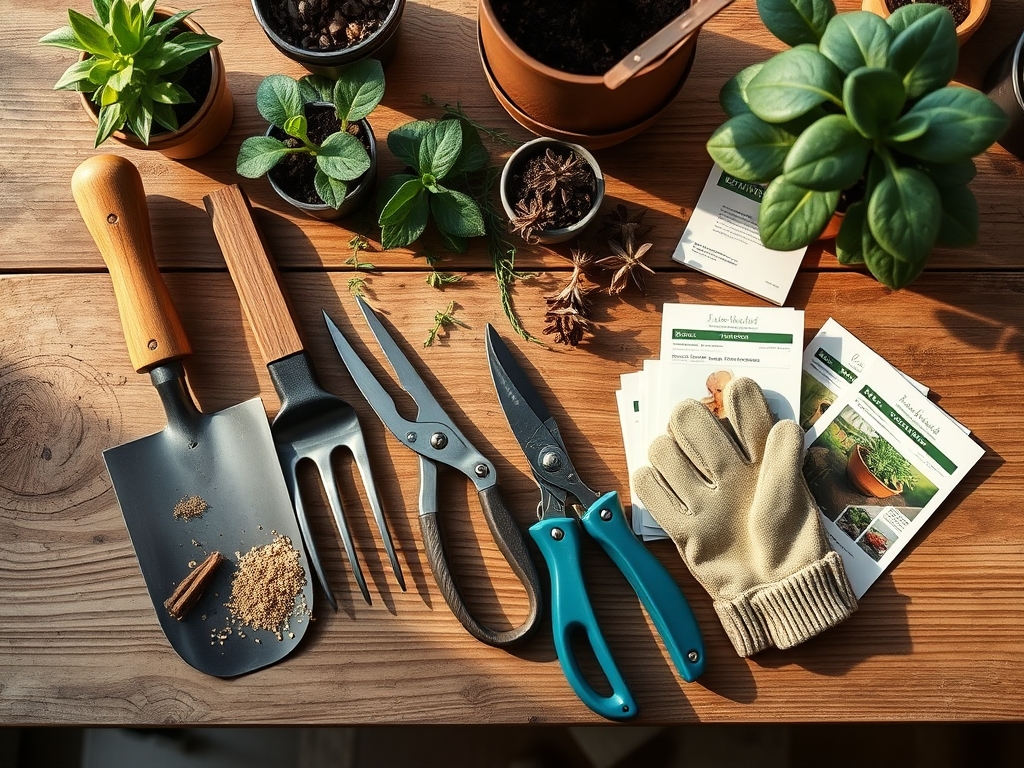
Materials:
The foundation of indoor success is a friable loam substrate that facilitates gas exchange. For most tropical houseplants, the target soil pH is 5.8 to 6.5. This slightly acidic range is the "sweet spot" where phosphorus and micronutrients like iron and manganese are most soluble.
Specialized fertilizers are categorized by their NPK (Nitrogen-Phosphorus-Potassium) ratios, which dictate specific physiological responses:
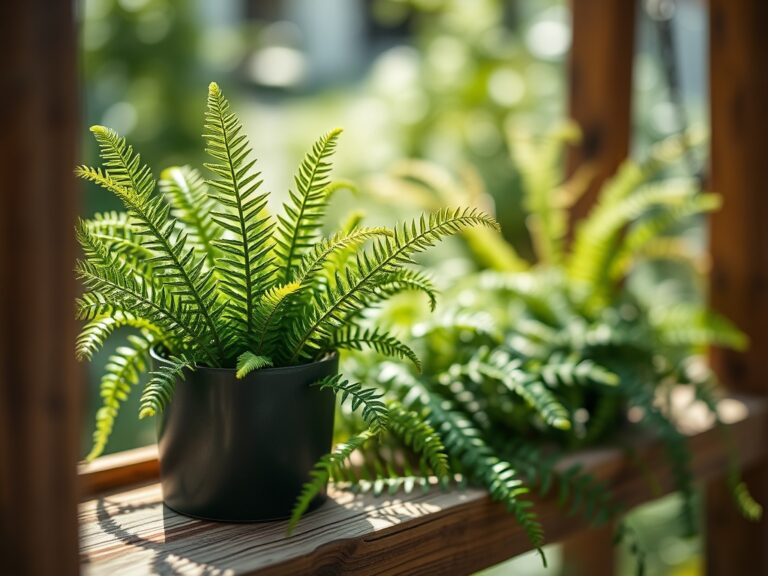
- Foliage Growth (High N): A 3-1-2 ratio (such as 9-3-6) is the gold standard for aroids and ferns. Nitrogen drives the production of amino acids and enzymes.
- Root and Bloom (High P): A 1-3-2 ratio (such as 5-15-10) supports ATP production and energy transfer, essential for flowering species like African Violets.
- Overall Resilience (Balanced): A 1-1-1 ratio (such as 10-10-10) is used for maintaining established woody indoor plants like Ficus lyrata.
The physical texture of your medium must allow for 20% to 30% air porosity. Use a mix containing coarse perlite or pumice to prevent anaerobic conditions, which lead to root rot.
Timing:
While indoor plants are shielded from frost, they are still governed by a Biological Clock dictated by the photoperiod. Even in Hardiness Zones 8 through 11, where outdoor temperatures rarely dip below freezing, indoor light levels drop significantly during the winter solstice.
The transition from the vegetative stage to the dormant stage occurs when day length falls below 12 hours. During this period, you must reduce fertilizer frequency by 50% to 75% to prevent the buildup of unused mineral salts. The "frost-date window" for indoor plants is less about temperature and more about the "radiant cold" near windows. When glass temperatures drop below 55 degrees Fahrenheit, metabolic activity slows. Resume full-strength fertilization only when new growth nodes appear in early spring, signaling the return of active transpiration.
Phases:

Sowing and Propagation
In the initial phase, the focus is on radicle emergence and the development of the first true leaves. Use a diluted, phosphorus-heavy starter solution at 25% strength.
Pro-Tip: High phosphorus levels at this stage stimulate mycorrhizal symbiosis, where beneficial fungi extend the reach of the root system to absorb more water and minerals.
Transplanting
Moving a plant to a larger vessel causes "transplant shock," characterized by a temporary loss of turgor. Ensure the new medium is pre-moistened to a field capacity of 50%.
Pro-Tip: Avoid high-nitrogen fertilizers immediately after transplanting to prevent auxin suppression. You want the plant to focus on root elongation rather than upward foliage growth.
Establishing
Once the plant has anchored itself, it enters the establishment phase. This is when using a specialized houseplant fertilizer with a complete micronutrient profile (Boron, Copper, Iron, Molybdenum) becomes critical for long-term health.
Pro-Tip: Consistent fertilization maintains phototropism efficiency. A well-nourished plant can move its leaves more effectively to track light sources, maximizing its solar harvest.
The Clinic:
Physiological disorders often mimic pest damage but are usually rooted in nutrient imbalances or environmental stress.
- Symptom: Interveinal Chlorosis. The leaf remains green along the veins but turns yellow in between.
- Solution: This is typically an Iron or Magnesium deficiency. Check the pH first; if the pH is above 7.0, the plant cannot uptake these minerals.
- Symptom: Leaf Tip Burn. Brown, crispy edges on new and old growth.
- Solution: This is often Salt Scorch from over-fertilizing or using tap water with high fluoride/chlorine. Flush the soil with three volumes of distilled water for every one volume of pot size.
- Symptom: Nitrogen Chlorosis. Uniform paling of older, lower leaves while the top remains green.
- Fix-It: Nitrogen is a mobile nutrient; the plant is "stealing" it from old leaves to feed new ones. Apply a high-nitrogen liquid fertilizer at full strength to restore levels.
Maintenance:
Precision is the difference between a hobbyist and a scientist. Use a soil moisture meter to ensure you are not overwatering. Most tropicals require the top 1 to 2 inches of soil to dry before the next hydration cycle. When you water, apply until you see drainage from the bottom of the pot; this flushes out accumulated salts.
For pruning, use bypass pruners sterilized with 70% isopropyl alcohol to prevent the spread of pathogens. When repotting, a hori-hori knife is the best tool for loosening "root-bound" specimens by slicing vertically through the outer root mass to encourage outward growth. Maintain an ambient humidity of 45% to 60% to keep stomata open and transpiration flowing.
The Yield:
For those growing indoor citrus or herbs, the yield is the ultimate metric of success. Harvest herbs like basil or mint just before they flower, as this is when essential oil concentration is at its peak. Use sharp shears to cut just above a node to encourage branching.
For indoor fruit, harvest when the fruit detaches with a slight "tilt and pull" motion. To maintain "day-one" freshness, hydro-cool the produce by dipping it in 50-degree Fahrenheit water for two minutes to remove field heat and slow down the rate of senescence.
FAQ:
How often should I use specialized fertilizer?
During the active growing season (spring and summer), apply fertilizer every two to four weeks. In winter, reduce this to once every eight to twelve weeks or suspend it entirely if the plant shows no active growth.
Can I use outdoor garden fertilizer for my houseplants?
No. Outdoor fertilizers often contain urea or high concentrations of salts that can burn roots in a container. Using a specialized houseplant fertilizer ensures the nutrients are in a readily available, non-burning form tailored for indoor environments.
What does "NPK" actually stand for?
NPK stands for Nitrogen (N), Phosphorus (P), and Potassium (K). These are the three primary macronutrients. Nitrogen drives leaf growth, Phosphorus supports roots and blooms, and Potassium regulates internal cellular processes and overall plant "immunity."
Why are the tips of my leaves turning brown?
This is usually caused by low humidity or salt buildup in the soil. Using a specialized houseplant fertilizer at the correct dosage and flushing the soil periodically with distilled water will prevent this specific physiological stress.