7 Steps to Prepare a Safe Garden Play Area Site
Learning how to prepare a garden for a play area begins with recognizing that children's safety depends on soil biology as much as surface equipment. Turf compaction, lead contamination, and shallow root systems create trip hazards and allergen reservoirs. The solution lies in systematic soil remediation, plant selection for non-toxic species, and structural grading that sheds water away from high-traffic zones. How to prepare a garden for a play area requires seven discrete phases, each targeting a specific soil or plant variable.
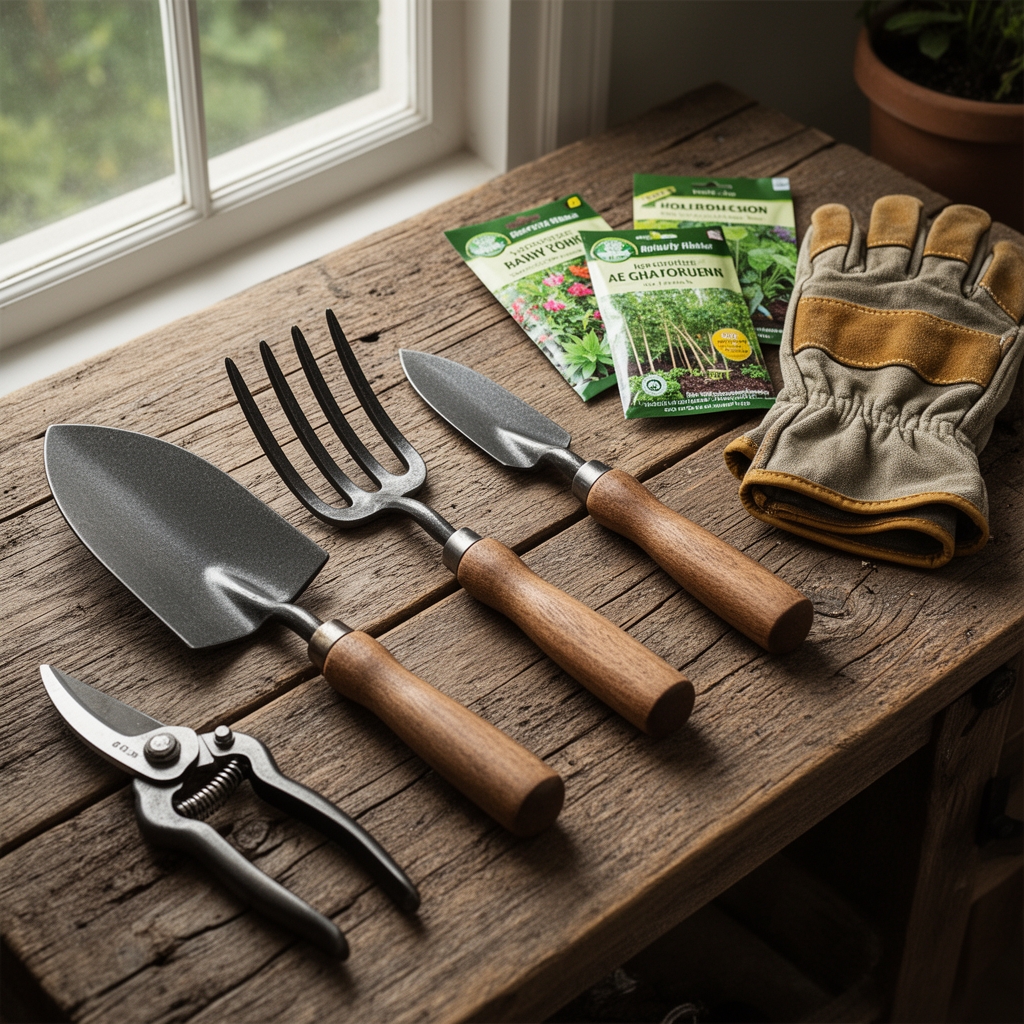
Materials
Soil Amendments (pH 6.0–7.0 target):
- Sulfur granules (90% elemental) for pH reduction in alkaline sites
- Dolomitic limestone (calcium carbonate and magnesium carbonate blend) for acidic correction
- Compost (C:N ratio 25:1) aged 6 months minimum
Fertilizers:
- Organic all-purpose 4-4-4 (feather meal, bone meal, kelp)
- Mycorrhizal inoculant (Glomus intraradices, 120 propagules per gram)
- Biochar (400°C pyrolysis) at 10% volume to increase cation exchange capacity
Structural Materials:
- Shredded hardwood mulch (2–3 inch depth) for fall zones
- Landscape fabric (3 oz/sq yard, UV-stabilized)
- Drainage gravel (3/8 inch crushed granite)
Safety Tools:
- Soil test kit measuring lead, arsenic, and pH
- Laser level for grading verification
- Compaction tester (0–300 psi range)
Timing
Zones 3–5 require soil work between mid-April and May 15, after the final frost date when soil temperature reaches 50°F at 4-inch depth. Zones 6–8 permit earlier starts in late March, but avoid working saturated soils; squeeze a handful and release. If it holds shape, wait 72 hours. Zones 9–10 can begin as early as February. Seed or sod establishment demands 6 weeks of frost-free conditions. Plan backward from your first expected fall frost. For example, Zone 5 with a September 30 frost date should complete turfgrass installation by August 15 to allow 45 days of root development.
Phases

Step 1: Site Assessment and Soil Testing
Remove existing vegetation with a sod cutter set to 1.5-inch depth. Send soil samples to a certified lab for heavy metal screening. Lead concentrations above 400 ppm require excavation and replacement with 12 inches of certified clean topsoil. Test pH and texture. Sandy loams with 60% sand, 30% silt, and 10% clay drain best while supporting root growth.
Pro-Tip: Mark underground utilities before any excavation. Call 811 at least 3 business days prior.
Step 2: Grade and Drainage
Establish a 2% slope away from structures and toward designated drainage zones. Use the laser level to verify elevation drops of 2 feet per 100 feet. Install French drains in low spots using 4-inch perforated pipe surrounded by gravel.
Pro-Tip: Compact subgrade to 85% density using a plate compactor before adding topsoil to prevent settling.
Step 3: Topsoil Amendment
Spread 4 inches of screened topsoil (pH 6.5, organic matter 5%). Incorporate compost at 2 cubic yards per 1,000 square feet. Broadcast 4-4-4 fertilizer at 20 pounds per 1,000 square feet. Till to 8-inch depth. Rake smooth and recheck grade.
Pro-Tip: Add mycorrhizal inoculant directly into the root zone of transplants at 1 teaspoon per plant to accelerate auxin distribution and phosphorus uptake.
Step 4: Perimeter Planting
Install non-toxic shrubs and groundcovers along borders. Choose species without thorns, irritating sap, or toxic berries. Examples include Ribes aureum (golden currant), Vaccinium angustifolium (lowbush blueberry), and Fragaria virginiana (wild strawberry). Space 24 inches apart. Water with 2 gallons per plant.
Pro-Tip: Prune blueberry branches at 45-degree angles to promote lateral bud break and denser canopies.
Step 5: Turfgrass Establishment
Select hard-wearing cultivars like perennial ryegrass blends (Lolium perenne) or tall fescue (Festuca arundinacea). Seed at 6 pounds per 1,000 square feet or lay sod with staggered seams. Roll lightly to ensure soil contact. Apply 0.25 inches of water daily for 14 days.
Pro-Tip: Overseed thin areas in early fall when soil temps drop to 60°F to exploit reduced weed competition.
Step 6: Mulch Safety Zones
Spread 3 inches of shredded hardwood under swings and climbing equipment. Maintain consistent depth; decomposition reduces impact absorption by 30% annually.
Step 7: Inspection and Certification
Walk the site weekly for 4 weeks. Check for depressions, exposed roots, and weed emergence. Apply glyphosate (2% solution) to spot-treat perennial weeds before children access the area.
Troubleshooting
Symptom: Yellow turf patches with red thread fungus (Laetisaria fuciformis).
Solution: Apply nitrogen at 0.5 lb per 1,000 sq ft. Improve air circulation by thinning shrubs to 18-inch spacing.
Symptom: Compaction zones (soil penetrometer reads >300 psi).
Solution: Core aerate twice annually to 3-inch depth. Topdress with 0.25 inch compost.
Symptom: Clover invasion (Trifolium repens).
Solution: Indicates nitrogen deficiency. Increase 4-4-4 application to 30 lb per 1,000 sq ft in split spring and fall doses.
Symptom: Bare patches with buried construction debris.
Solution: Excavate 18 inches deep. Replace with topsoil and reseed.
Maintenance
Water established turf with 1 inch per week in a single deep session to encourage 6-inch root penetration. Mow at 3-inch height to shade soil and suppress crabgrass germination. Apply 4-4-4 at 20 lb per 1,000 sq ft each April and September. Refresh mulch to 3-inch depth each spring. Test soil pH annually; adjust with sulfur or lime as needed to maintain 6.5 target.
FAQ
How long until children can play safely?
Wait 6 weeks after seeding or 2 weeks after sodding for roots to anchor. Verify turf resists gentle hand pulling.
What groundcovers tolerate foot traffic?
Thymus serpyllum (creeping thyme) and Chamaemelum nobile (Roman chamomile) endure moderate trampling while releasing pleasant scent compounds.
Can I use wood chips instead of shredded mulch?
No. Chips compact poorly and create uneven surfaces. Shredded material interlocks for superior impact attenuation.
How do I prevent lead recontamination?
Plant barrier shrubs along old painted structures. Test soil every 3 years if within 20 feet of pre-1978 buildings.
Is synthetic turf safe?
Modern products pass ASTM F1951 standards for lead and phthalates. Ensure infill uses silica or coated rubber, not crumb rubber with PAH residues.