9 Best Perennials for Flower Borders
The sharp, metallic scent of wet minerals rises from the soil as the shovel shears through a thick mat of roots. This is the foundation of a high-performance landscape. Success in the garden is measured by turgor pressure; the internal hydraulic force that keeps a leaf rigid and upright against the pull of gravity. To build a resilient garden, you must select the best perennials for flower borders based on physiological compatibility and site-specific data. This selection process requires an understanding of cellular respiration and the metabolic demands of each species. Selecting plants that thrive in your specific microclimate ensures that the border remains a structural asset rather than a maintenance liability.
Materials:
High-performance perennials require a **friable loam** with a high **Cation Exchange Capacity (CEC)** to facilitate nutrient uptake. The ideal substrate should consist of 40 percent sand, 40 percent silt, and 20 percent clay. Maintain a **soil pH between 6.2 and 6.8** to ensure that micronutrients like iron and manganese remain bioavailable.
For the initial planting phase, incorporate a slow-release fertilizer with an NPK ratio of 5-10-5. High phosphorus levels are critical for early root development and the synthesis of Adenosine Triphosphate (ATP). Avoid high-nitrogen blends during the establishment phase; excessive nitrogen promotes weak, succulent growth that is susceptible to cellular collapse during temperature fluctuations. Ensure the soil has at least 5 percent organic matter to support the rhizosphere, the narrow region of soil directly influenced by root secretions and associated microorganisms.
Timing:
Successful borders are dictated by the USDA Hardiness Zones, ranging typically from Zone 3 to Zone 9 for most temperate perennials. Planting should occur when soil temperatures reach a consistent 55 degrees Fahrenheit (12.7 Celsius). This temperature threshold triggers the transition from dormancy to the vegetative stage.
The "Biological Clock" of a perennial is governed by the photoperiod; the length of time a plant is exposed to light. As day length increases, the plant shifts from vegetative growth (leaf and stem production) to the reproductive stage (flowering). For spring-blooming species, transplanting must occur at least six weeks before the first hard frost to allow for root establishment. For summer and autumn bloomers, early spring is the optimal window to capitalize on the surge of auxins, the hormones responsible for cell elongation and root initiation.
Phases:
Sowing and Germination
If starting from seed, use a sterile, soilless medium to prevent damping-off caused by fungal pathogens. Maintain a constant moisture level without saturating the media. Most perennial seeds require a period of cold stratification at 34 to 40 degrees Fahrenheit for 30 to 60 days to break embryo dormancy.
Pro-Tip: Utilize a heat mat to maintain a soil temperature of 70 degrees Fahrenheit. This accelerates the metabolic rate of the embryo, ensuring a more uniform germination rate across the flat.
Transplanting
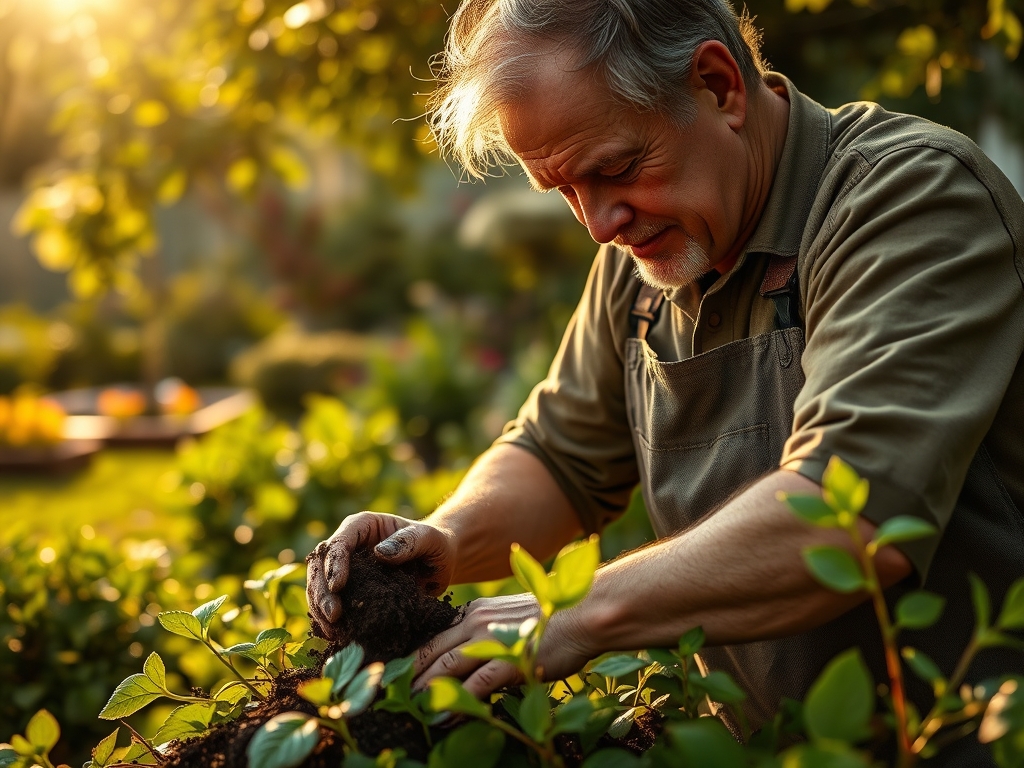
When moving plants into the border, dig a hole twice as wide as the root ball but no deeper. Ensure the crown of the plant sits exactly at the soil surface. Deep planting leads to crown rot; shallow planting leads to desiccation of the upper root mass.
Pro-Tip: Inoculate the planting hole with mycorrhizal fungi. This symbiotic relationship extends the root system's reach, increasing the surface area for water and phosphorus absorption by up to 100 times.
Establishing
During the first growing season, the plant focuses on subterranean biomass. Monitor the turgor of the foliage daily. If the leaves show signs of wilting in the afternoon but recover by morning, the root system is likely struggling to keep up with the transpiration rate.
Pro-Tip: Pinch back the first set of flower buds on young perennials. This suppresses apical dominance and redirects the plant's energy from reproduction to structural root and stem development.
The Clinic:
Physiological disorders often mimic disease but are usually the result of environmental stress or nutrient imbalances.
-
Symptom: Interveinal chlorosis (yellowing between green veins) on new leaves.
Solution: This indicates an Iron (Fe) deficiency, often caused by a pH above 7.0. Lower the pH using elemental sulfur or apply chelated iron foliar spray. -
Symptom: Necrosis (browning) at the leaf margins.
Solution: This is typically a Potassium (K) deficiency. Potassium regulates the opening and closing of stomata. Apply a high-potash fertilizer to restore osmotic balance. -
Symptom: Powdery white residue on leaf surfaces.
Solution: This is Oidium, a fungal pathogen. Increase airflow by thinning the stand and avoid overhead irrigation to reduce leaf surface moisture. -
Symptom: Stunted growth and purple tinting on underside of leaves.
Solution: Phosphorus (P) deficiency. This often occurs in cold, wet soils where P becomes chemically locked. Improve drainage and wait for soil temperatures to rise.
Maintenance:
Precision is the hallmark of a master horticulturist. Deliver 1.5 inches of water per week directly to the drip line. Use a soil moisture meter to verify that the moisture has penetrated at least 6 inches deep. Surface watering encourages shallow rooting, which leaves the plant vulnerable during droughts.
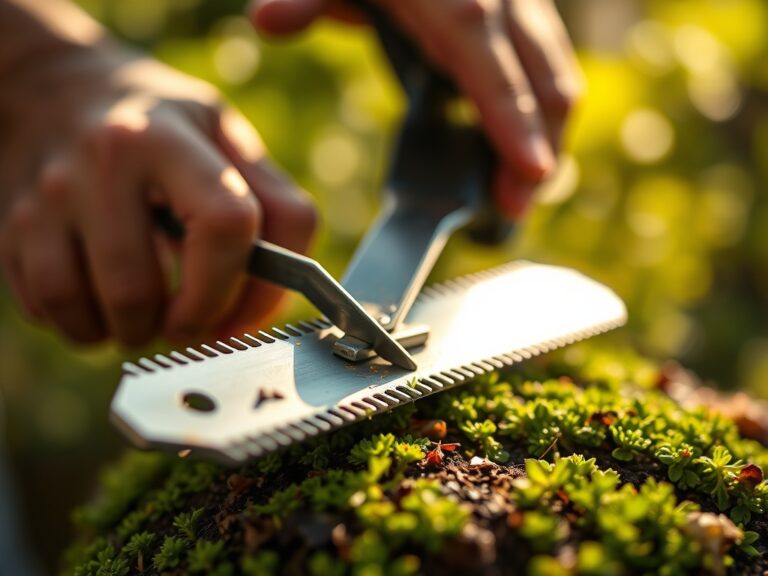
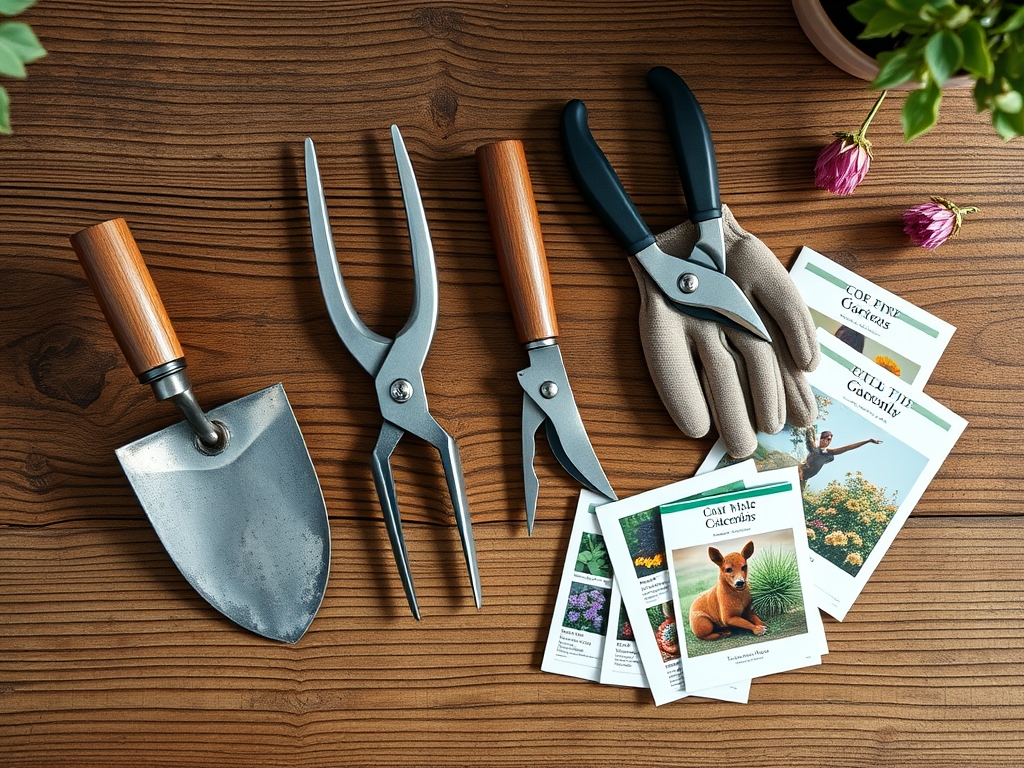
Use a sharp hori-hori knife for weeding and dividing clumps. Every three years, perennials like Hosta or Hemerocallis should be lifted and divided to prevent center-out senescence. When pruning, use bypass pruners to make clean, slanted cuts 0.25 inches above a lateral bud. This prevents water from pooling on the wound and reduces the risk of infection.
The Yield:
For perennials grown for cut flowers, such as Echinacea or Peonies, harvest when the buds are in the "marshmallow stage" (soft but not fully open). Use a sterilized blade to cut the stem at a 45-degree angle. This maximizes the surface area for water uptake through the xylem.
Immediately plunge the stems into 110-degree Fahrenheit water containing a floral preservative. This warm water moves more quickly through the vascular system, purging air bubbles and preventing vascular occlusion. Store the harvested flowers in a cool, dark environment at 38 degrees Fahrenheit to slow the rate of respiration and preserve "day-one" freshness for up to ten days.
FAQ:
How do I improve soil drainage for perennials?
Incorporate 3 inches of coarse organic matter or expanded shale into the top 12 inches of soil. This increases macropore space, allowing excess water to move away from the rhizosphere and preventing root hypoxia.
When is the best time to divide perennials?
Divide spring-blooming perennials in early autumn and autumn-blooming perennials in early spring. This timing allows the plant to focus energy on root re-establishment during its non-flowering phase, reducing overall transplant shock.
What is the best NPK ratio for flowering borders?
A balanced 10-10-10 ratio is sufficient for general maintenance. However, a 5-10-10 blend is superior for established borders, as the higher phosphorus and potassium levels support robust vascular systems and prolific floral production.
How do I prevent perennials from flopping over?
Select species with high lignin content in their stems. For softer-stemmed plants, utilize "Chelsea Chopping" in late May; cutting the plant back by one-third. This results in shorter, sturdier stems and delayed, more abundant flowering.