6 Steps to Install a Hidden Garden Drainage System
Pooling water suffocates roots, promotes pythium rot, and turns fertile loam into anaerobic sludge. The steps for installing a hidden garden drainage system prevent these failures by routing excess moisture through perforated conduits buried beneath the soil surface, preserving oxygen exchange and microbial vitality. A well-executed system extends the growing season by two to three weeks in heavy clay soils, allowing mycorrhizal fungi to colonize root zones without drowning. This guide translates civil engineering principles into accessible horticultural practice.
Materials
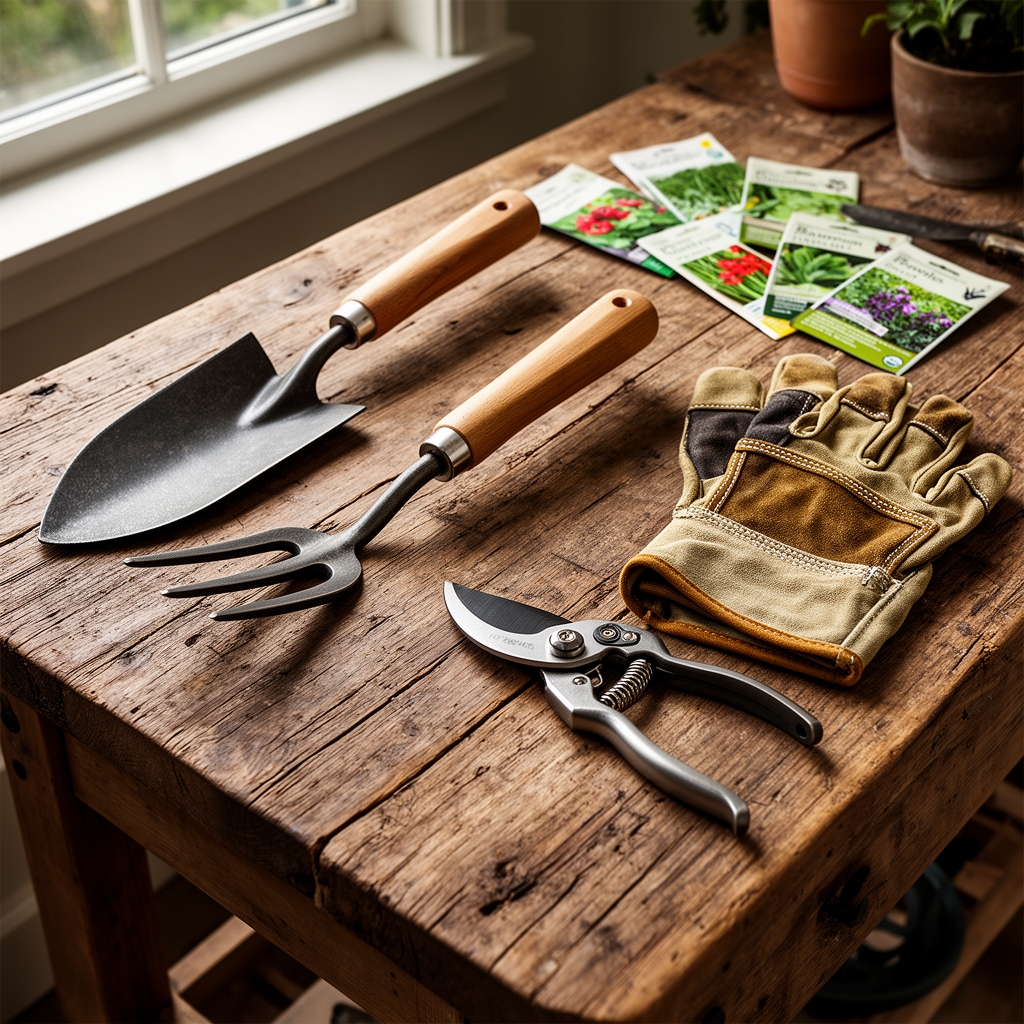
Select perforated corrugated drain pipe, 4 inches in diameter, rated for landscape use. Avoid solid-wall pipe unless connecting to a discharge point. Source 0.5 cubic yards of washed gravel per 20 linear feet of trench: 0.75-inch angular stone improves interstitial flow by 40% compared to rounded pea gravel. Landscape fabric must be non-woven polypropylene with 140-needle-punch specification to block sediment while permitting water passage.
Amend excavated soil with composted pine bark fines (pH 5.8-6.2) at a 1:3 ratio to backfill material. This lowers cation exchange capacity slightly but prevents re-compaction. For sodic soils with pH above 8.0, incorporate elemental sulfur at 1 pound per 10 square feet to acidify the root zone over six months. Apply a 5-10-5 granular fertilizer (higher phosphorus ratio) to re-planted areas; phosphorus supports auxin distribution in transplanted root systems.
Timing
Install drainage systems during dormancy windows: late October through early March in Zones 6-8, extending to mid-April in Zone 5. Frost heave risk drops below 15% once soil temperatures stabilize at 45°F at 6-inch depth. Avoid installation during active growing seasons; severed roots lose 30-50% of fine-root biomass, delaying establishment by eight weeks.
In Zones 9-10, schedule work for November through January when evapotranspiration rates decline. Monsoon seasons in Zone 10 (June-September) create saturated conditions that collapse open trenches. Confirm frost-free dates through regional extension offices; late spring installations in Zone 4 must conclude by May 1 to avoid transplant shock during bud break.
Phases

Sowing the Layout
Mark drainage paths with flags at 15-foot intervals, following natural slope gradients. A 2% grade (0.25 inches per foot) ensures gravity-driven flow without erosion. Use a laser level or water level for precision; deviations below 1% cause standing water inside pipes. Map existing root zones of trees and shrubs; maintain 8-foot clearance from trunks to avoid structural root damage.
Pro-Tip: Inoculate trench bottoms with endo-mycorrhizal spores (Glomus intraradices) at 2 ounces per 10 linear feet before laying gravel. Fungal hyphae colonize disturbed root zones 60% faster when introduced during installation.
Excavating and Installing
Dig trenches 12 inches wide and 18 inches deep. Remove rocks larger than 2 inches; they puncture fabric and create flow barriers. Rake trench floors smooth, then lay landscape fabric with 12-inch overlap on seams. Pour 3 inches of gravel as bedding, then position perforated pipe with holes facing down (counterintuitive but prevents sediment entry from above). Cover pipe with 6 additional inches of gravel.
Pro-Tip: Wrap pipe joints with adhesive-backed fabric tape to block root intrusion. Willow, poplar, and silver maple roots penetrate standard perforations within 18 months.
Establishing the System
Fold fabric edges over gravel, overlapping by 6 inches to create a burrito-style wrap. Backfill trenches with amended soil, mounding 2 inches above grade to account for settling. Water backfill at 1 gallon per linear foot to eliminate air pockets. Mulch surface with 3 inches of shredded hardwood bark to stabilize temperature and retain moisture during root recovery.
Pro-Tip: Install cleanout risers (4-inch PVC elbows) every 40 feet. Cap with watertight lids. Annual flushing with a garden hose at 40 PSI removes biofilm and silt buildup.
Troubleshooting
Symptom: Water pooling above buried pipe after heavy rain.
Solution: Insufficient trench slope or crushed pipe. Excavate, confirm 2% grade with level, and replace damaged sections.
Symptom: Slow drainage despite new system.
Solution: Silted fabric from improper wrapping. Install upstream sediment traps (12-inch gravel-filled basins) at inflow points.
Symptom: Plant wilting near drainage lines.
Solution: Over-drainage in sandy soils. Add bentonite clay at 5 pounds per cubic yard of backfill to increase water retention.
Symptom: Grass yellowing along trench paths.
Solution: Nitrogen immobilization from fresh wood chips. Top-dress with 21-0-0 ammonium sulfate at 0.5 pounds per 100 square feet.
Maintenance
Flush cleanout risers annually in early spring using a hose nozzle at 40 PSI for 3 minutes per access point. Inspect discharge areas for erosion; install splash blocks if concentrated flow exceeds 5 gallons per minute during peak events. Re-mulch trenches every two years with 1 inch of composted leaf litter to maintain microbial activity.
Apply 1 inch of supplemental irrigation weekly during establishment year, measured with rain gauges. Reduce to 0.5 inches in year two as root systems adapt. Test soil pH annually; drainage systems in limestone regions may require sulfur re-application every 36 months.
FAQ
How deep should drainage pipe sit?
18 inches below finished grade allows root penetration above while protecting pipe from foot traffic and frost heave.
Can I drain into a rain garden?
Yes. Terminate pipes 6 inches below rain garden surface, discharging into 12-inch gravel sumps to prevent erosion.
What slope is minimum for 100-foot runs?
2% minimum (2 feet of drop over 100 feet). Below this threshold, sediment accumulates and clogs perforations.
Do I need an outlet point?
Always. Discharge to daylight (surface grade), dry wells, or municipal storm systems. Closed systems fail within five years.
How long before planting over trenches?
Wait 4 weeks for settling. Perennials establish safely after this period; delay tree planting 8 weeks to avoid root contact with residual sulfur.