7 Nutrient Steps to Prepare an Indoor Citrus Tree for Fruiting
How to prepare an indoor citrus tree for fruiting demands precision at the cellular level. The scent of orange blossom emerges only when nitrogen reserves drop below 2.5% leaf tissue weight while phosphorus stores climb to support flower initiation. Indoor gardeners who measure electrical conductivity, track micronutrient ratios, and time nutrient withholding see consistent bloom cycles within 90 days. This seven-step protocol manipulates soil chemistry and carbohydrate allocation to trigger reproductive maturity in containerized citrus.
Materials
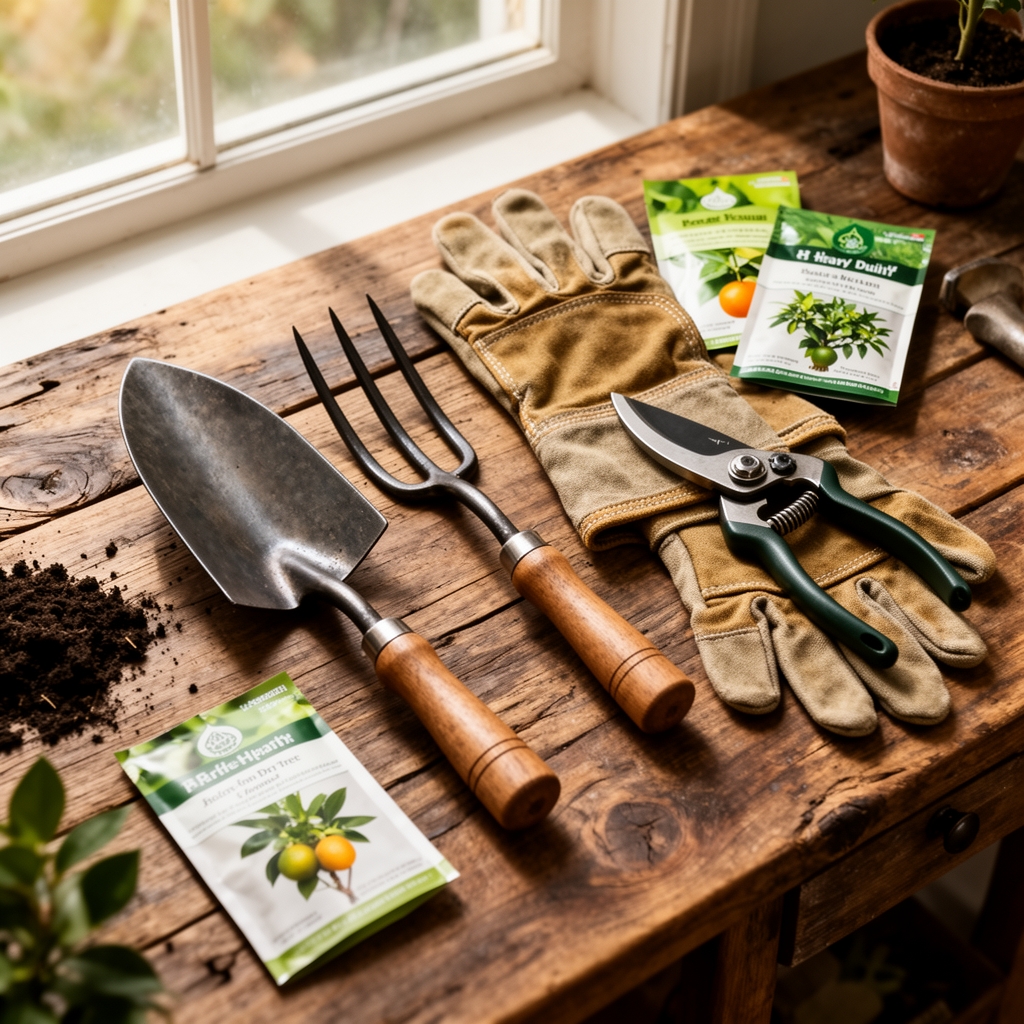
Select a balanced organic fertilizer rated 4-4-4 for the vegetative phase. This equal ratio maintains cation exchange capacity without excess ammonium ions that inhibit calcium uptake. Transition to a bloom formulation rated 2-6-4 once buds appear. The elevated phosphate fraction supports adenosine triphosphate synthesis in developing flowers.
Sulfur-based pH adjusters bring soil down to 6.0-6.5, the range where iron, manganese, and zinc remain soluble. Avoid lime or wood ash; citrus evolved in acidic soils and chlorosis appears rapidly above pH 7.0. Chelated micronutrient sprays containing iron EDTA, manganese sulfate, and zinc sulfate correct deficiencies within 10 days of foliar application.
Mycorrhizal fungi inoculants, specifically Glomus species, colonize feeder roots and extend phosphorus uptake by 300%. Apply at transplant or drench existing root zones with 5 grams per gallon of water. Kelp meal provides cytokinins and trace boron, essential for pollen tube formation. Use 1 tablespoon per 5-gallon container every 8 weeks.
Organic bone meal supplies slow-release phosphorus and calcium. Broadcast 2 tablespoons per container in late winter. Epsom salt delivers magnesium sulfate; dissolve 1 teaspoon per gallon monthly when leaves show interveinal yellowing.
Timing
Indoor citrus trees ignore outdoor frost dates but respond to photoperiod cues and temperature fluctuations. Growers in hardiness zones 9-11 can move trees outdoors during bloom, but indoor cultivation requires manual manipulation of light duration.
Begin nutrient preparation 12 weeks before desired bloom. In late January or February, reduce nitrogen inputs by 50% for 4 weeks. This stress triggers auxin redistribution from shoot tips to lateral buds. Flowering occurs naturally in spring, but indoor temperatures of 65-70°F combined with 14-hour photoperiods induce year-round cycles.
Cold stratification improves fruit set. Drop night temperatures to 55°F for 6 weeks during bud formation. This mimics Mediterranean winter conditions and increases gibberellin production. Return to 70°F once petals open.
Phases
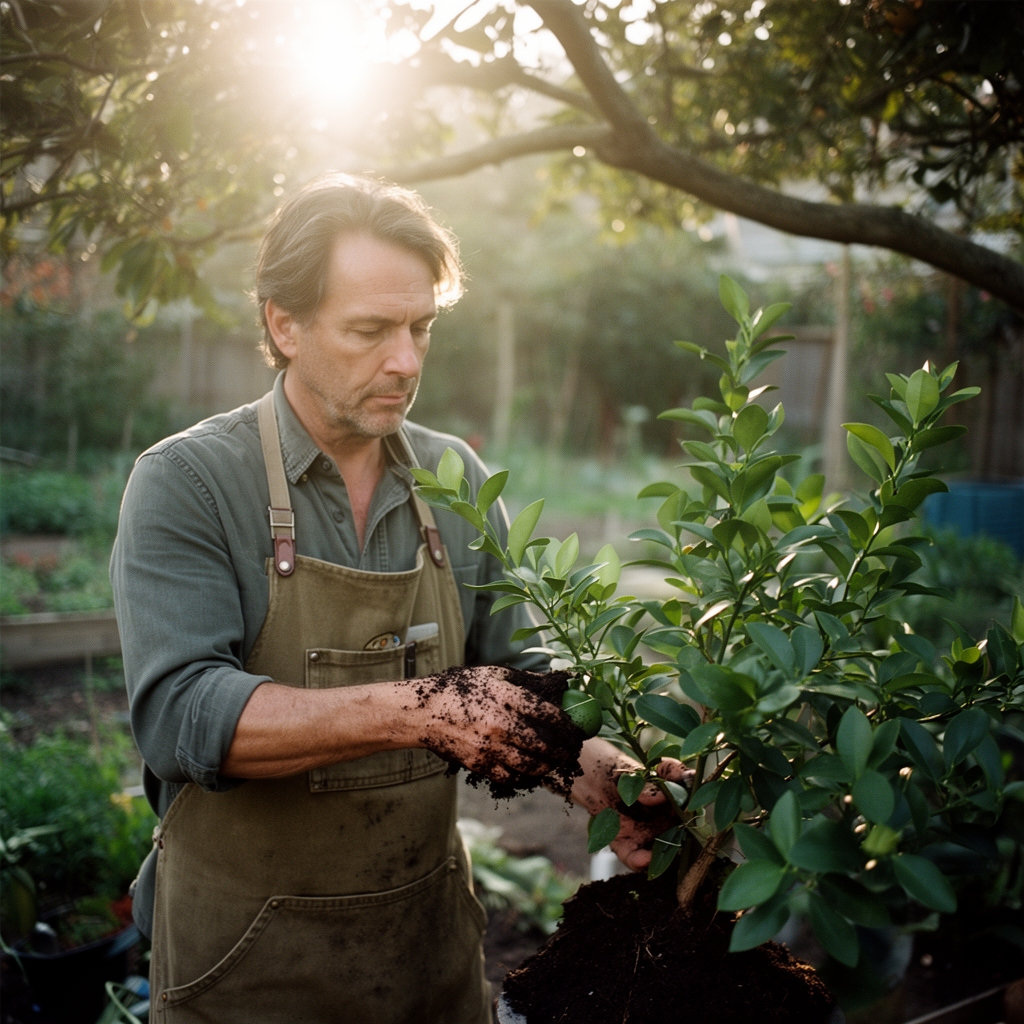
Vegetative Establishment: Feed every 2 weeks with 4-4-4 fertilizer from February through June. Maintain soil EC between 1.5-2.5 mS/cm using a conductivity meter. Prune competing central leaders at 45-degree angles to encourage horizontal scaffold branches. These branches produce more fruiting spurs than vertical shoots.
Pro-Tip: Inoculate transplant holes with 10 grams of Glomus intraradices. The fungal hyphae colonize roots within 3 weeks and increase phosphorus absorption by forming arbuscules inside cortical cells.
Transition to Reproduction: In July, switch to 2-6-4 bloom fertilizer. Reduce watering frequency to allow soil to dry 2 inches deep between irrigations. This mild drought stress halts vegetative growth and reallocates carbohydrates to flower primordia. Apply foliar kelp extract at 1 tablespoon per gallon weekly. The natural cytokinins in kelp promote bud differentiation.
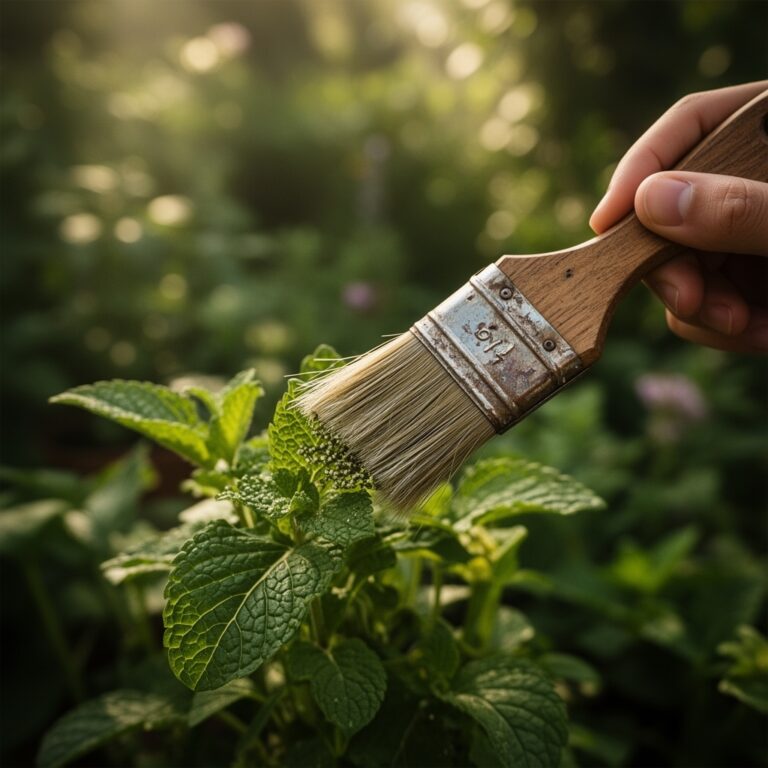
Pro-Tip: Hand-pollinate flowers using a soft brush. Indoor trees lack pollinator access. Transfer pollen from anther to stigma on separate flowers within the same 3-day bloom window to maximize fruit set.
Fruit Development: Once fruit reaches pea size, resume 4-4-4 fertilizer to support cell expansion. Thin clusters to 1 fruit per 6 inches of branch length. Excess fruit drains carbohydrate reserves and causes June drop. Increase calcium with weekly drenches of 1 tablespoon gypsum per gallon. Calcium strengthens cell walls and prevents stylar-end rot.
Pro-Tip: Maintain relative humidity between 50-60% during fruit swell. Low humidity causes rind splitting. Use humidity trays filled with pebbles and water placed under containers.
Troubleshooting
Symptom: Yellowing between leaf veins while veins remain green. Solution: Iron chlorosis caused by high pH or poor root aeration. Drench soil with chelated iron EDDHA at 1 gram per gallon. Repot into a mix of 60% pine bark, 30% peat, and 10% perlite to improve drainage.
Symptom: Leaf edges brown and curl upward. Solution: Potassium deficiency. Apply 1 tablespoon sulfate of potash per 5-gallon container. Repeat monthly until leaf margins green.
Symptom: Sticky honeydew on leaves with white cottony masses. Solution: Mealybugs. Spray with 2% horticultural oil at 5-day intervals for 3 applications. Oil suffocates insects without harming beneficial predators.
Symptom: Blossom drop before fruit set. Solution: Boron deficiency or temperature shock. Foliar spray 0.5 teaspoon borax per gallon once. Avoid moving trees during bloom; temperature swings above 10°F abort flowers.
Symptom: Fruit splits vertically near harvest. Solution: Erratic watering. Maintain consistent soil moisture by irrigating when the top 1 inch dries. Mulch with 2 inches of shredded bark to buffer moisture fluctuations.
Maintenance
Water when a moisture meter reads 4 out of 10 at 4 inches deep. Pour 1 quart per gallon of pot volume until 10% drains from the bottom. Indoor trees in 10-gallon containers typically require watering every 5 days in summer, 10 days in winter.
Rotate containers 90 degrees weekly to equalize light exposure. South-facing windows provide 6-8 hours of direct sun minimum. Supplement with full-spectrum LED grow lights rated 2000 lumens per square foot if natural light drops below 6 hours.
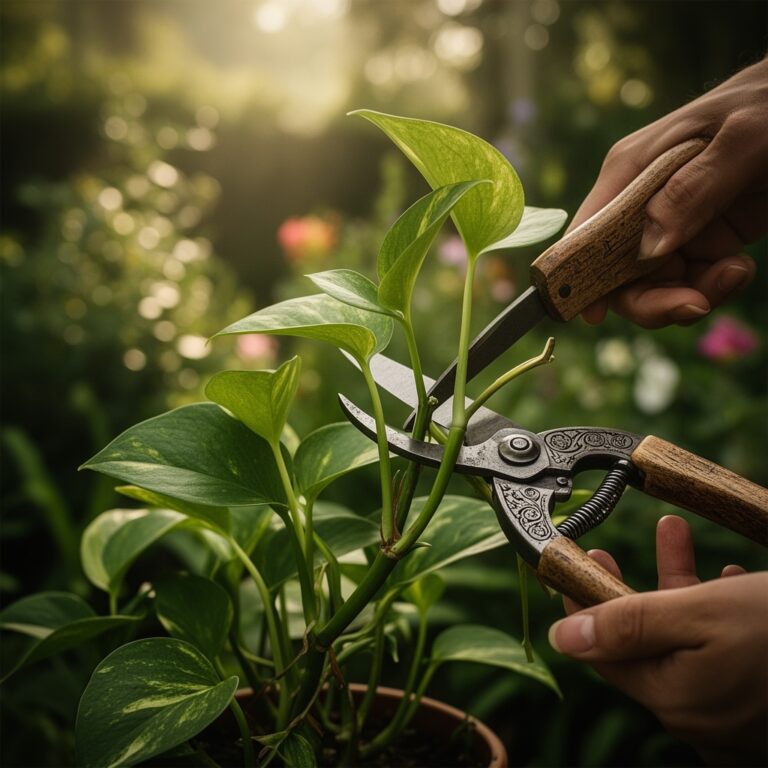
Prune water sprouts and suckers monthly. These juvenile shoots divert energy from fruiting wood. Remove branches crossing at less than 30-degree angles to improve air circulation and reduce fungal pressure.
FAQ
How long does it take an indoor citrus tree to fruit after planting?
Grafted trees fruit within 1-2 years. Seedlings require 5-7 years to reach reproductive maturity due to juvenile hormone dominance.
Can I use tap water for citrus?
Yes, if total dissolved solids remain below 400 ppm. Filter or dilute with distilled water if salinity exceeds this threshold. Salt accumulation inhibits root function.
What NPK ratio is best for fruiting citrus?
Use 2-6-4 during bloom initiation, then switch to 4-4-4 during fruit development. High phosphorus supports flower formation; balanced nitrogen prevents vegetative reversion.
Why are my citrus leaves dropping?
Sudden environmental changes trigger leaf abscission. Stabilize temperature within 5 degrees daily and avoid drafts from heating vents.
How often should I fertilize indoor citrus?
Every 2 weeks during active growth from March through September. Reduce to monthly feeding from October through February when trees enter semi-dormancy.