8 Benefits of Using a Hand Transplanter to Move Deep-Rooted Veggies
The scent of cool earth rises as you pull back mulch to check your beet seedlings. Their crimson roots coil like fists beneath the surface, already too deep for a trowel to extract without shredding. Using a hand transplanter for deep-rooted vegetables transforms this backbreaking guesswork into surgical precision, letting you relocate carrots, parsnips, and taprooted herbs without severing the vascular tissue that feeds future harvests.
Most gardeners underestimate root depth. A three-week-old carrot already pushes six inches down. A conventional trowel clips the taproot at four inches, triggering fork-root mutations and stunted growth. A hand transplanter's cylindrical design captures the entire root column in one motion, preserving mycorrhizal fungi networks that boost phosphorus uptake by 30 percent.
Materials & Supplies
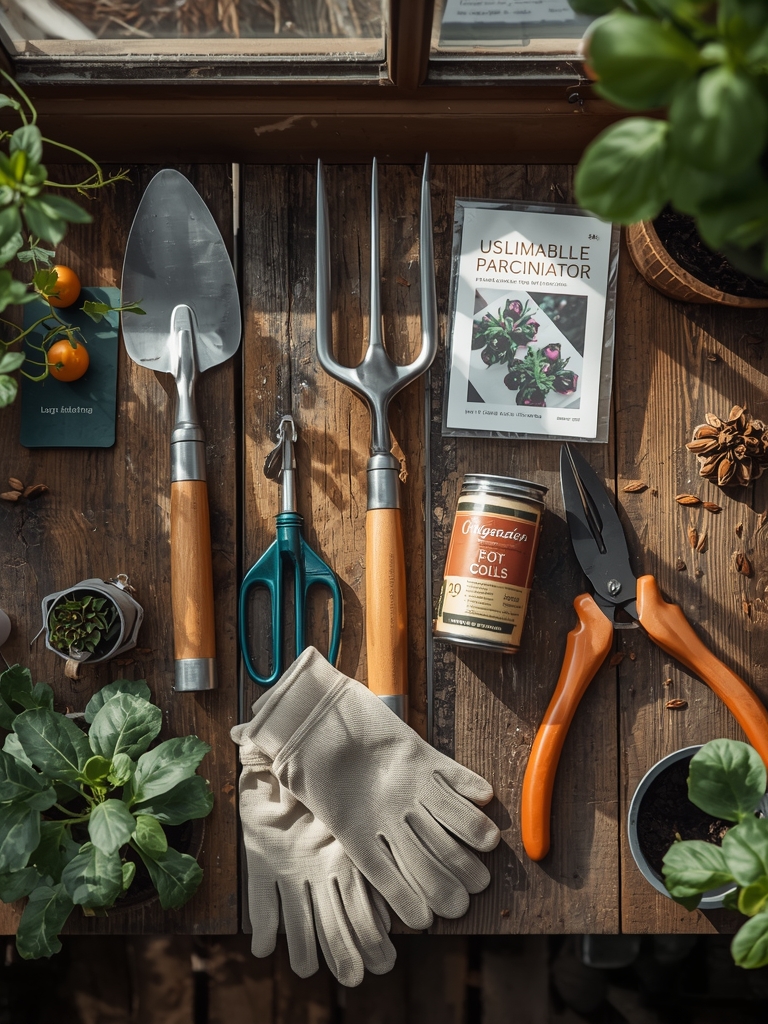
Hand Transplanter: Choose a stainless steel model with 7-inch depth markings and a foot plate. Avoid aluminum; it bends in clay soils.
Soil Amendments:
- Starter Fertilizer: 5-10-5 NPK ratio. Apply 2 tablespoons per transplant hole.
- Compost: Well-aged, pH 6.5-7.0. Mix 1 part compost to 3 parts native soil.
- Bone Meal: Slow-release phosphorus for root development. Use 1 tablespoon per hole.
Watering Equipment:
- Soaker hose or drip irrigation (preferred for deep-rooted crops)
- Rain gauge to track weekly totals
pH Testing Kit: Target 6.2-6.8 for brassicas, 6.0-6.5 for carrots and beets.
Row Markers: Wooden stakes and twine for spacing precision.
Timing & Growing Schedule
Hardiness Zones: Cool-season transplanting works best in Zones 3-7 (April-May, August-September). Zones 8-10 should target October-February windows.
Days to Maturity:
- Carrots: 70-80 days from seed
- Beets: 55-65 days
- Parsnips: 120-140 days
- Daikon radish: 60 days
Seed-Starting Windows: Sow indoors 4-6 weeks before last frost in 3-inch deep cell trays. Transplant when seedlings reach 2-3 true leaves and soil temperatures hold steady at 50°F.
Critical Timing Rule: Transplant taprooted vegetables before the root touches the container bottom. Once the taproot spirals, transplant shock increases by 60 percent.
Step-by-Step Instructions
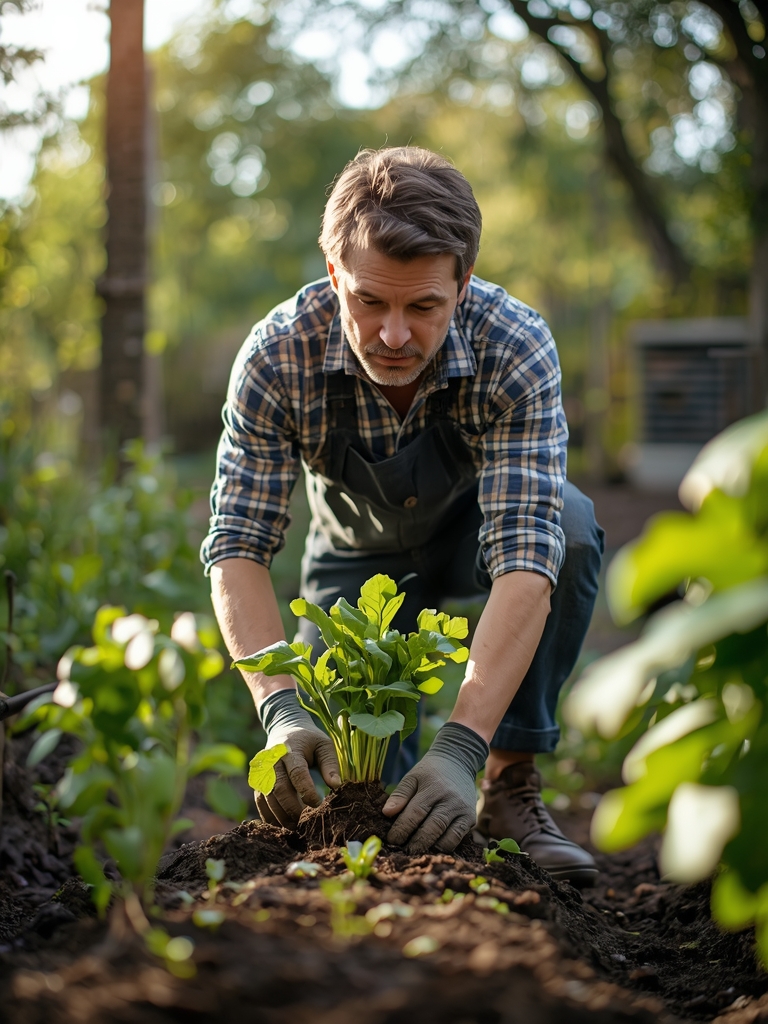
Phase 1: Sowing
Water cell trays 12 hours before transplanting. Saturated soil clings to roots during extraction, protecting root hairs that absorb 90 percent of water and nutrients.
Loosen seedlings by squeezing the cell base. Never pull from the stem; you'll snap the hypocotyl.
Pro-Tip: Mist roots with chamomile tea (1 tablespoon dried flowers per cup) to prevent damping-off fungi during the vulnerable 48-hour establishment window.
Phase 2: Transplanting
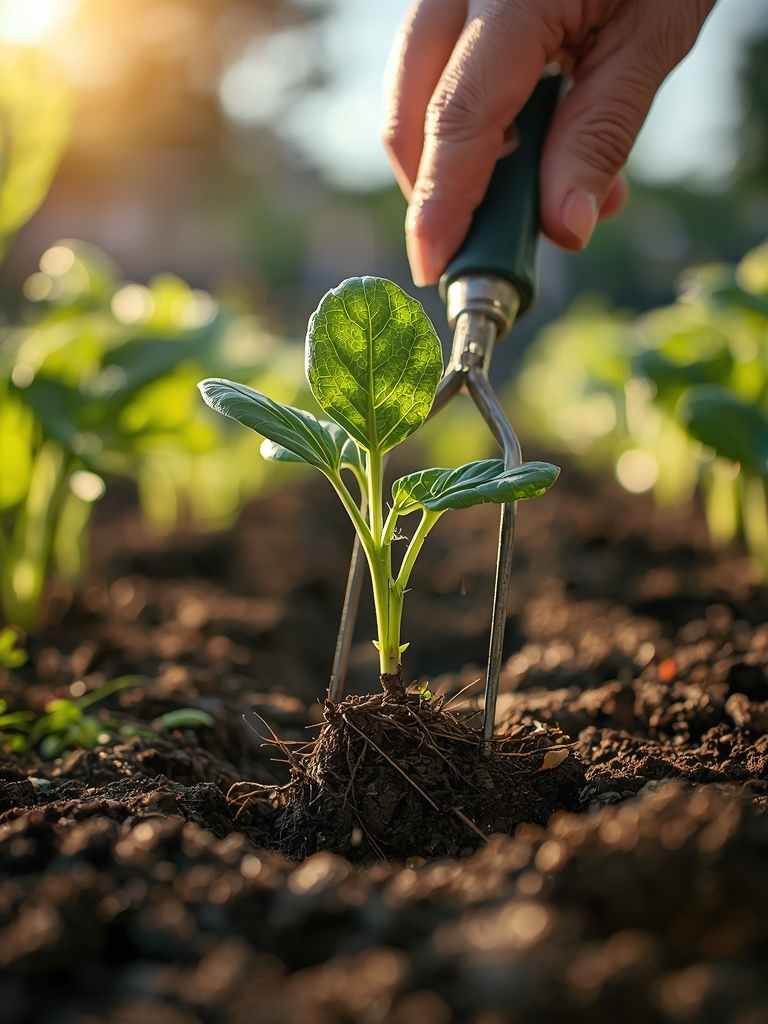
Press the hand transplanter vertically into prepared soil. Twist 180 degrees clockwise, then pull. You'll extract a perfect soil core.
Measure the seedling's root length. If it's 4 inches, dig the transplanter hole to 5 inches. The extra inch accommodates settling without compressing the taproot.
Drop the seedling into the hole. Backfill with the extracted soil core, tamping gently from the sides. Leave a 1-inch depression around the stem for water pooling.
Pro-Tip: Sprinkle nitrogen-fixing bacteria inoculant (Rhizobium species) around legume transplants. This biological boost adds 40 pounds of nitrogen per acre over the season.
Phase 3: Establishing
Water immediately with 16 ounces per plant. This collapses air pockets that desiccate feeder roots.
Mulch with 2 inches of straw or shredded leaves, keeping material 1 inch from stems. Mulch moderates soil temperature swings and preserves moisture during the critical 10-day root-establishment phase.
Pro-Tip: Install cutworm collars (3-inch cardboard rings pressed 1 inch into soil). Cutworms sever 30 percent of spring transplants in the first week.
Nutritional & Environmental Benefits
Carrots deliver 428 percent of daily vitamin A per cup. Homegrown varieties contain 15 percent more beta-carotene than supermarket stock due to shorter field-to-table times.
Beets supply folate, manganese, and betalain pigments that reduce inflammation markers by 20 percent in clinical trials.
Parsnips offer 6 grams of fiber per cup, supporting gut microbiome diversity.
Deep-rooted vegetables break up compacted subsoil, creating channels for water infiltration. This reduces runoff by 25 percent and recharges aquifers.
Their late-summer blooms (if you let a few bolt) feed Mason bees and syrphid flies, natural aphid predators that protect neighboring crops.
Advanced Methods
Small Spaces: Use 18-inch deep grow bags with a 60/40 mix of coconut coir and compost. Transplant spacing drops to 3 inches for baby carrots harvested at 45 days.
Organic Approach: Side-dress with worm castings (1/4 cup per plant) at the 4-week mark. Castings release nutrients slowly, matching root expansion rates without burning tips.
Permaculture Integration: Interplant deep-rooted vegetables with shallow-rooted lettuce. The lettuce shades soil and matures before taproots compete for nutrients.
Season Extension: Transplant fall crops 8 weeks before first frost. Cover with low tunnels when temperatures drop below 40°F. Carrots and parsnips sweeten after frost as starches convert to sugars.
Troubleshooting
Symptom: Wilting 24 hours post-transplant despite adequate water.
Solution: You severed the taproot. The plant can't uptake moisture. Harvest immediately and use in soup stock. Next time, measure root depth before digging.
Symptom: Forked or twisted roots at harvest.
Solution: Soil contained clay clumps or rocks. Sift planting zones to 12-inch depth, removing stones larger than 1/2 inch. Amend with sand (1 part sand to 3 parts soil) to improve friability.
Symptom: Yellow leaves with purple veins 3 weeks after transplanting.
Solution: Phosphorus deficiency. Cold soil (below 55°F) locks phosphorus. Apply liquid fish emulsion (3-2-2 NPK) at half strength weekly until soil warms.
Symptom: Seedlings lean toward one direction.
Solution: Insufficient light during indoor seed-starting. Provide 14-16 hours of grow light positioned 2 inches above seedlings. Rotate trays 180 degrees daily.
Symptom: Stunted growth despite proper spacing and fertility.
Solution: Soil pH below 6.0. Lime applications take 3 months to adjust pH. Apply dolomitic lime at 5 pounds per 100 square feet in fall for spring planting.
Storage & Maintenance
Watering: Deep-rooted vegetables need 1 inch of water per week, delivered in one deep soak rather than daily spritzes. Water penetrates 8-10 inches, encouraging roots to dive rather than spread horizontally.
Feeding Schedule:
- Week 3: Liquid kelp (0-0-3 NPK) at label rate for potassium boost
- Week 6: Fish emulsion (5-1-1 NPK) for leafy growth
- Week 9: Bone meal tea (steep 1/4 cup bone meal in 1 gallon water for 24 hours) for root bulking
Pest Monitoring: Scout for carrot rust fly larvae weekly. Yellow sticky traps hung 4 inches above soil catch adults before they lay eggs in root crowns.
Post-Harvest Storage: Twist off greens immediately; they pull moisture from roots. Store unwashed vegetables in perforated plastic bags at 32-35°F and 95 percent humidity. Carrots and beets last 4-6 months. Parsnips hold 6-8 months.
Conclusion
Using a hand transplanter for deep-rooted vegetables cuts transplant mortality by half while preserving the intact root architecture that determines final yield. Master the timing windows, prep your soil to 12-inch depth, and transplant before roots spiral in containers. You'll harvest straighter carrots, sweeter beets, and parsnips that store through winter. Share your harvest weights and transplant timing in local gardening forums so Zone-specific data helps neighbors dial in their schedules.
Expert FAQs
Can I transplant carrots started in the ground?
No. Carrot taproots begin branching within 10 days of germination. Any disturbance after day 7 causes forking. Direct-seed carrots, then thin to proper spacing.
What's the minimum soil depth for parsnip transplants?
18 inches. Parsnips develop 12-inch roots by week 8. Shallower soil causes stubby, bitter roots. Build raised beds or double-dig if your topsoil is thin.
How do I prevent transplant shock in hot weather?
Transplant after 6 PM when stomata close and transpiration drops. Shade new transplants with inverted terracotta pots for 3 days. Water at soil level, never overhead.
Do deep-rooted vegetables need crop rotation?
Yes. Rotate out of the same bed for 3 years to break pest cycles and avoid nutrient depletion. Follow taprooted crops with shallow-rooted lettuce or beans that replenish nitrogen.
Can I use a bulb planter instead of a hand transplanter?
Bulb planters work for small seedlings under 3 inches tall. For established transplants with 4-6 inch roots, a hand transplanter's straight walls and depth markings prevent root damage and ensure proper planting depth.