6 Best Breathable Plant Pots for Root Aeration
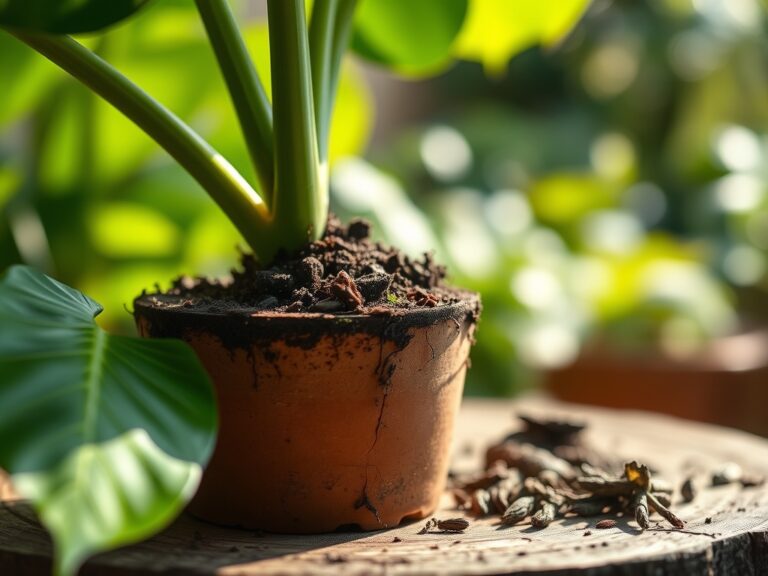
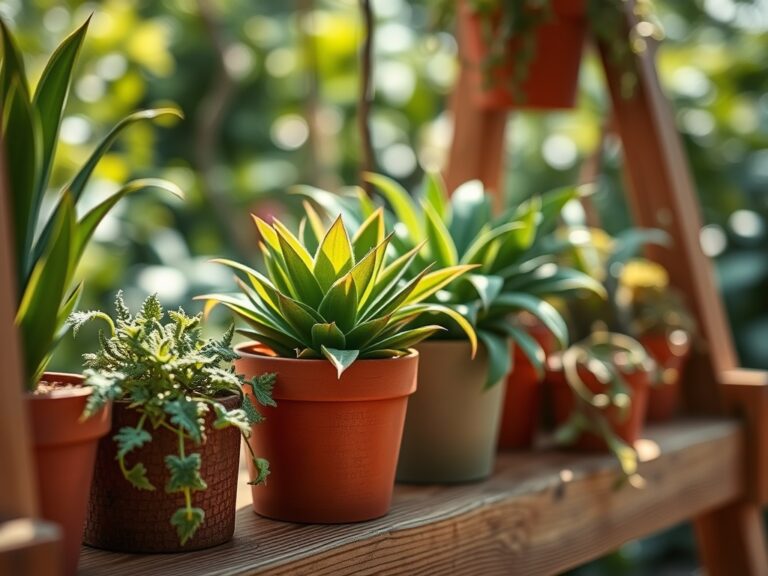
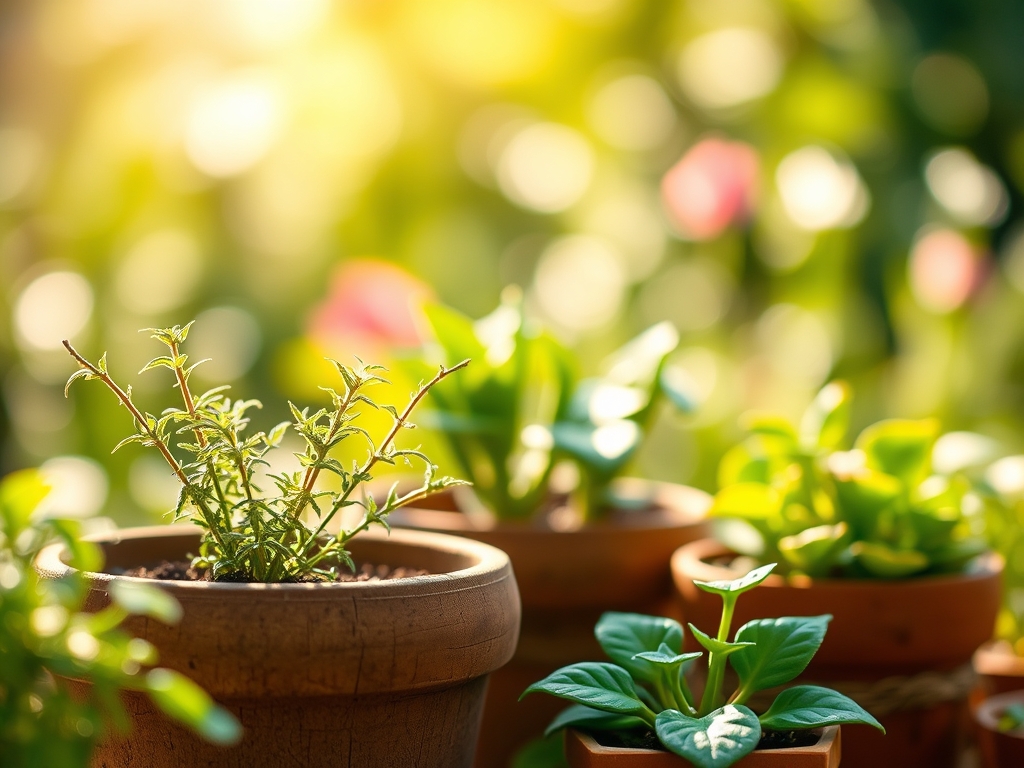
The smell of anaerobic decay in a waterlogged root ball is the scent of horticultural failure. When oxygen levels in the rhizosphere drop below 10 percent, root respiration halts; this triggers a cascade of cellular collapse that manifests as wilted, yellowing foliage despite saturated soil. Healthy plants require high turgor pressure maintained by a robust vascular system. Achieving this equilibrium depends entirely on selecting the Best plant pots designed for gas exchange. Root aeration is not a luxury but a physiological necessity for preventing the accumulation of toxic ethanol and carbon dioxide within the growing medium. A breathable container facilitates air-pruning; this process terminates the growth of primary taproots upon contact with air to stimulate the development of dense, fibrous lateral roots. This increased surface area maximizes the uptake of dissolved minerals and water. By prioritizing porosity and drainage, a grower ensures the root zone remains aerobic, fostering the symbiotic microbial activity required for long term plant vitality and structural integrity.
Materials:
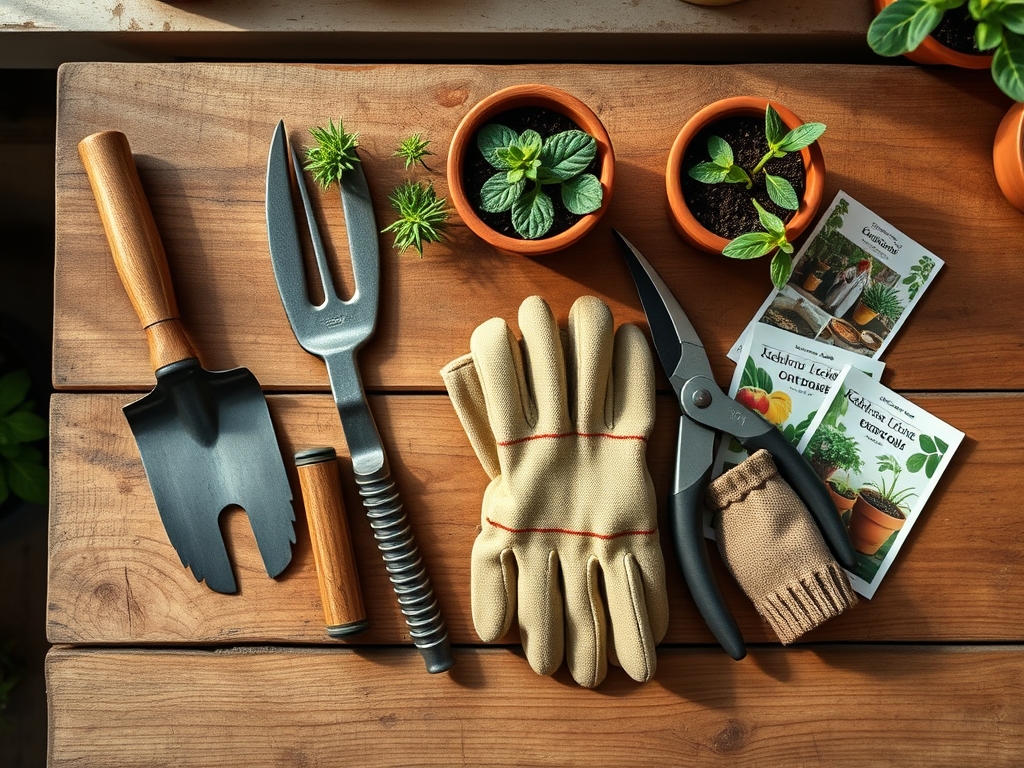
The success of a breathable pot depends on the substrate it holds. For most high-performance cultivars, a **friable loam** with a Cation Exchange Capacity (CEC) between **15 and 25 meq/100g** is ideal. This texture ensures that nutrients are held electrically on soil particles rather than leaching out during irrigation. The chemical composition of the medium must align with the plant’s metabolic needs.
For vegetative growth, prioritize an NPK ratio of 3-1-2. This provides the nitrogen necessary for chlorophyll synthesis while maintaining sufficient phosphorus and potassium for cellular signaling. Maintain a soil pH between 6.0 and 6.5 to ensure the bioavailability of micronutrients like iron and manganese. If the pH climbs above 7.0, these metals become insoluble; this leads to interveinal chlorosis. Use a mix of 40 percent peat or coco coir, 30 percent perlite, and 30 percent composted organic matter to maintain a bulk density of approximately 1.2 grams per cubic centimeter. This physical structure allows for maximum oxygen diffusion through the pot walls.
Timing:
Container gardening allows for precise control over the biological clock; however, external environmental factors still dictate success. In Hardiness Zones 5 through 7, the window for transitioning plants to outdoor breathable pots begins roughly two weeks after the last predicted frost. This timing prevents cold-induced phosphorus lockout, which occurs when soil temperatures remain below 55 degrees Fahrenheit.
The transition from the vegetative stage to the reproductive stage is often governed by the photoperiod. For short-day plants, this shift occurs when uninterrupted darkness exceeds 12 hours. During this period, the plant redirects energy from leaf production to flower or fruit development. Breathable pots are critical during this phase because the increased metabolic rate of a flowering plant demands higher oxygen consumption in the root zone. Monitor the local frost-date windows closely; a sudden drop to 32 degrees Fahrenheit can cause ice crystals to form within the cell walls, leading to irreversible tissue necrosis.
Phases:
Sowing
Start seeds in small, highly porous cells to prevent damping-off caused by Pythium fungi. Maintain a consistent temperature of 70 to 75 degrees Fahrenheit to optimize enzymatic activity during germination. Use a sterile, soil-less medium to ensure the delicate radicle does not encounter pathogens.
Pro-Tip: Seeds exhibit phototropism immediately upon emergence. Provide a high-intensity light source within 4 inches of the seedling to prevent "leggy" growth caused by the elongation of cells on the shaded side of the stem.
Transplanting
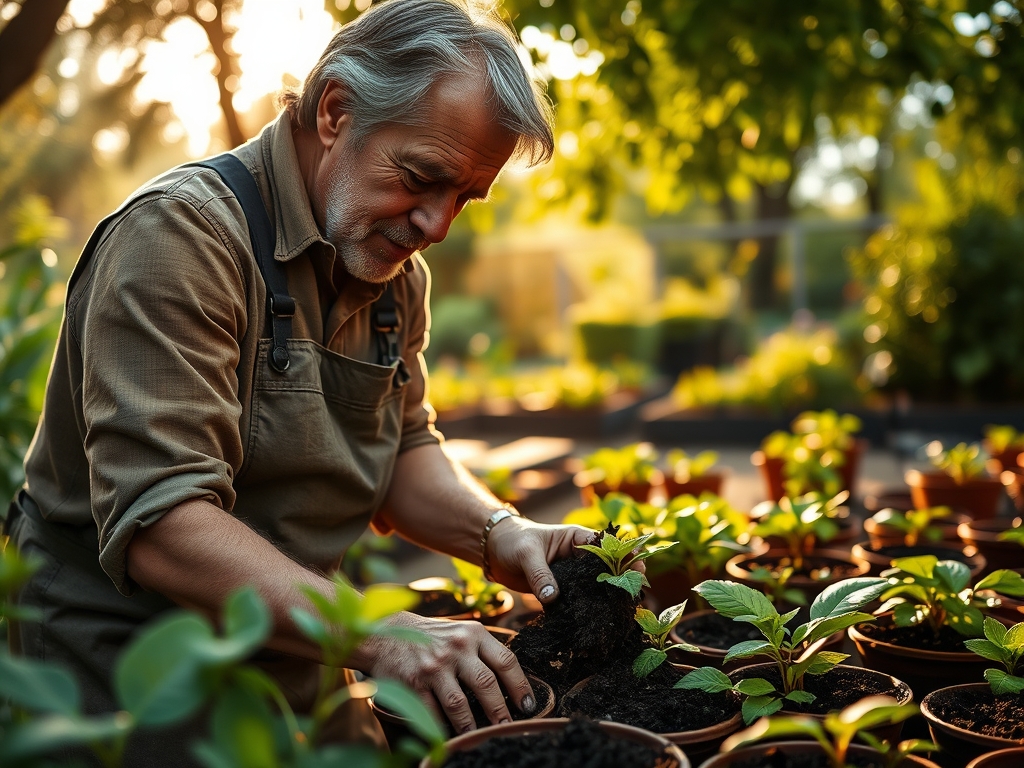
Move seedlings to their permanent breathable pots once the second set of true leaves appears. When using fabric or unglazed ceramic pots, pre-moisten the medium to prevent it from wicking moisture away from the young root system. Ensure the root flare remains at the soil surface level to avoid stem rot.
Pro-Tip: Inoculate the roots with mycorrhizal fungi during this phase. This symbiosis extends the root reach by up to 100 times, significantly increasing the plant's ability to absorb phosphorus and water in a high-airflow environment.
Establishing
During the first 14 days post-transplant, focus on root establishment over top-growth. Avoid high-nitrogen fertilizers that might encourage excessive foliage at the expense of the root system. Maintain a consistent moisture profile to allow the roots to explore the new volume of the breathable container.
Pro-Tip: Practice apical pruning to break apical dominance. By removing the terminal bud, you suppress the flow of auxins down the stem; this encourages lateral branching and a more robust, bushy architecture suited for container stability.
The Clinic:
Physiological disorders often mimic infectious diseases but result from environmental stress.
- Symptom: Edema (small bumps or blisters on the underside of leaves).
Solution: Increase airflow and decrease humidity. This occurs when the roots take up water faster than the leaves can transpire it. - Symptom: Blossom End Rot (dark, sunken spots on the base of fruit).
Solution: Stabilize moisture levels. This is a calcium deficiency caused by erratic watering, not a lack of calcium in the soil. - Symptom: Nitrogen Chlorosis (uniform yellowing of older, lower leaves).
Solution: Apply a water-soluble fertilizer with a high nitrogen count. Nitrogen is a mobile nutrient; the plant will "rob" it from old leaves to support new growth. - Symptom: Leaf Scorch (browning of leaf margins).
Solution: Move the pot to a location with less wind or provide supplemental irrigation. This indicates the transpiration rate is exceeding the roots' ability to supply water.
Maintenance:
Precision is the hallmark of a master horticulturist. Use a soil moisture meter daily to check the volumetric water content. In breathable pots, evaporation occurs through the sidewalls as well as the surface; therefore, these containers require more frequent monitoring than plastic. Aim for 1.5 inches of water per week, delivered directly at the drip line to encourage outward root growth.
Utilize a hori-hori knife for weeding and light soil aeration if the surface becomes capped with mineral salts. For woody perennials, use bypass pruners to remove dead or crossing branches; this maintains an open canopy for light penetration. Every four weeks, flush the medium with plain, pH-balanced water to prevent the buildup of fertilizer salts, which can raise the osmotic pressure of the soil solution and cause "root burn."
The Yield:
Harvesting is a race against senescence, the biological aging of the plant. For leafy greens, harvest in the early morning when turgor pressure is at its peak; this ensures maximum crispness. Use a sharp, sterilized blade to make clean cuts, reducing the surface area prone to infection. For fruiting crops, monitor the brix levels or color changes specific to the cultivar.
Post-harvest, immediately move the produce to a cool, shaded environment to slow the respiration rate. For herbs, placing the stems in a beaker of water can maintain freshness for several days. If the plant is a perennial, prune back one-third of the growth after the final harvest to prepare the specimen for its dormant phase.
FAQ:
Why do fabric pots prevent root circling?
When a root tip reaches the edge of a fabric pot, it is exposed to air. This causes the tip to dehydrate and stop growing. This "air-pruning" forces the plant to send out secondary feeder roots from the center.
How often should I water plants in terracotta?
Terracotta is highly porous and wicks moisture away rapidly. In temperatures above 85 degrees Fahrenheit, you may need to water daily. Always check the soil depth of 2 inches with a finger or meter before adding water.
Can I reuse breathable fabric pots?
Yes. To prevent pathogen carryover, soak used pots in a 10 percent bleach solution for 20 minutes. Scrub away salt deposits with a stiff brush and rinse thoroughly before air-drying and refilling with fresh substrate.
Do breathable pots require special soil?
They perform best with a high-porosity mix. Avoid heavy garden soils with high clay content, as these can clog the pores of the pot. Use a blend containing perlite or pumice to maintain a high oxygen-to-water ratio.