9 Proven Ways How to Harvest Jalapeño Peppers
The scent of damp earth and the sharp, vegetal aroma of crushed foliage signal that the Capsicum annuum crop has reached physiological maturity. Success depends on maintaining high turgor pressure within the fruit walls to ensure a crisp snap upon detachment. Knowing how to harvest jalapeño peppers requires more than a casual glance; it demands an understanding of the plant's internal chemical transitions and the structural integrity of the pedicel. Precision at this stage prevents mechanical damage to the brittle stems and ensures the plant continues its reproductive cycle through the remainder of the growing season. A jalapeño that is harvested too early lacks the developed capsaicinoids that provide its characteristic heat, while one left too long may begin the process of senescence, leading to soft spots and reduced shelf life. You must monitor the skin for "corking," which are small longitudinal stretch marks that indicate the fruit has reached its maximum expansion. These physical markers, combined with a firm grip on the branch, dictate the difference between a high-yield season and a wasted effort.
Materials:
The foundation of a successful harvest begins in the rhizosphere. Jalapeños thrive in a friable loam with a Cation Exchange Capacity (CEC) between 15 and 25, allowing for efficient nutrient uptake. The soil pH must be maintained between 6.2 and 6.8 to prevent nutrient lockout, particularly of calcium and magnesium.
During the vegetative stage, the plant requires an NPK ratio of 10-10-10 to build structural biomass. However, once the plant shifts to the reproductive phase, you must transition to a 5-10-15 or 8-15-36 formula. High phosphorus (P) levels stimulate robust floral development, while increased potassium (K) is essential for regulating stomatal conductance and water potential within the developing fruit. Ensure the substrate has a high percentage of organic matter to facilitate drainage, as jalapeños are highly susceptible to anaerobic conditions at the root zone.
Timing:
Jalapeños are typically grown as annuals in Hardiness Zones 3 through 11, though they are perennial in frost-free tropical climates. The biological clock for harvesting begins approximately 70 to 85 days after transplanting. You must track the transition from the vegetative stage (leaf and stem production) to the reproductive stage (anthesis and fruit set).
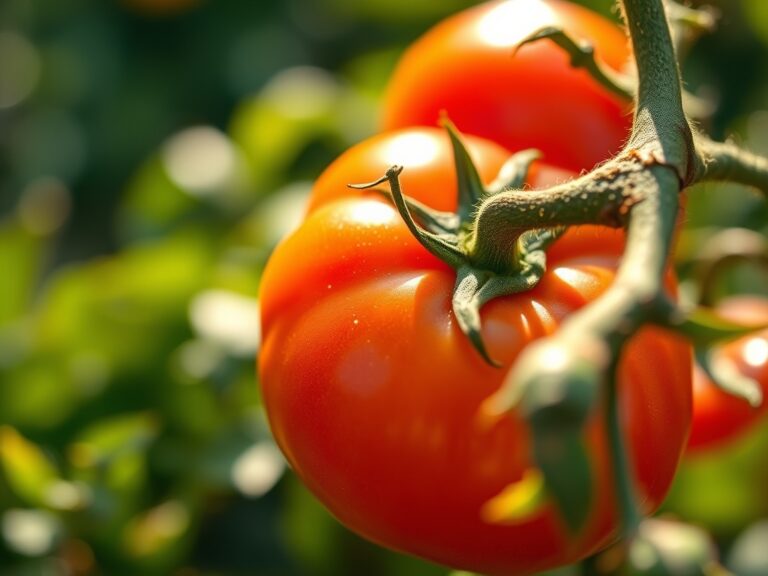
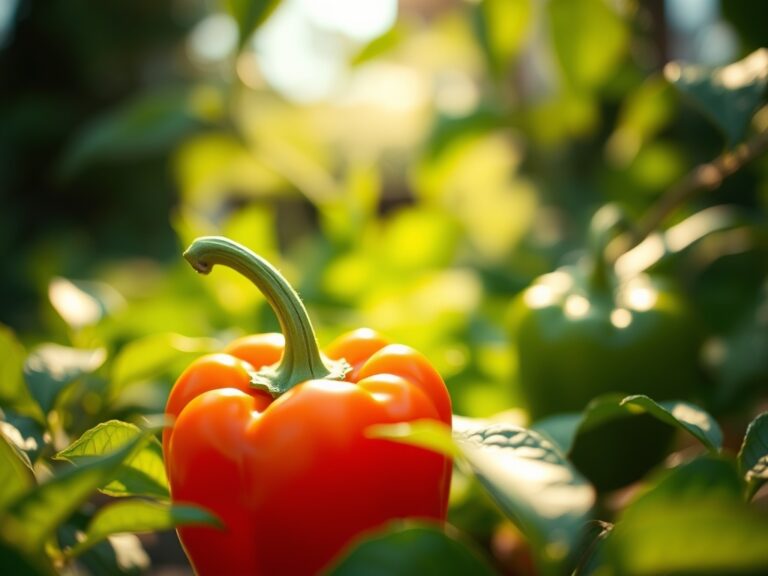
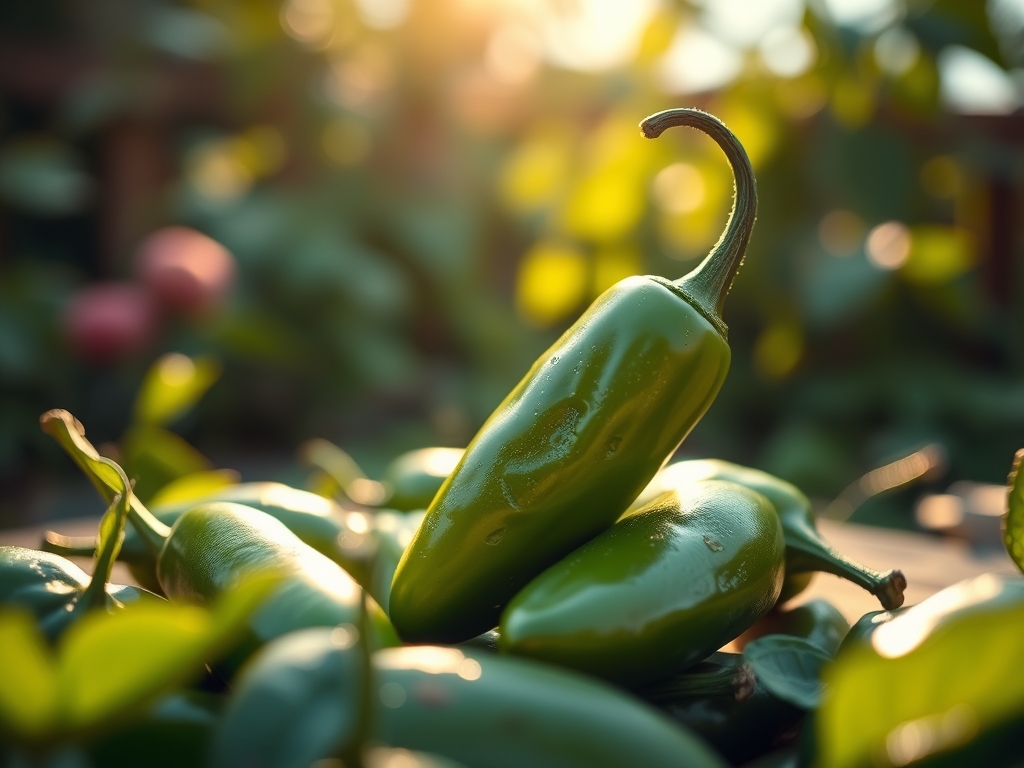
The ideal window for harvest occurs when the fruit is 3.5 to 4 inches in length and has turned a deep, glossy green. If you prefer a sweeter pepper with higher capsaicin concentrations, wait for the fruit to transition to a bright red. This color change indicates the breakdown of chlorophyll and the accumulation of anthocyanins and sugars. Monitor the local frost-date windows closely; a single exposure to temperatures below 32 degrees Fahrenheit (0 Celsius) will rupture the cell walls and render the harvest useless.
Phases:
Sowing and Germination
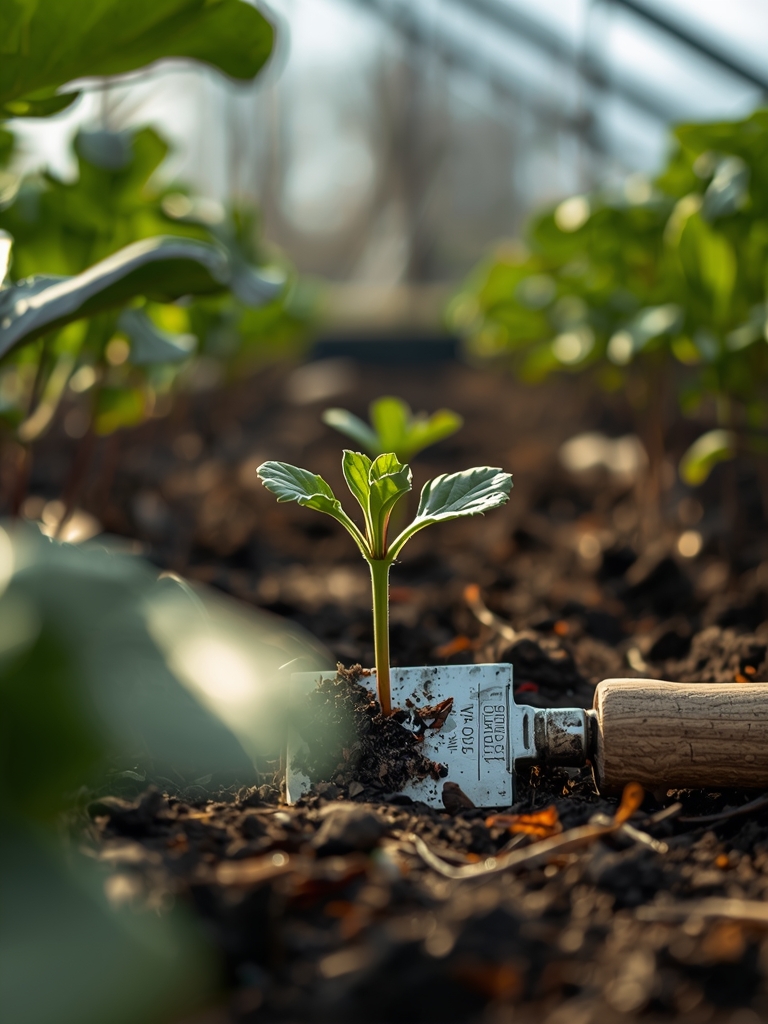
Start seeds indoors 8 to 10 weeks before the last predicted frost. Maintain a consistent soil temperature of 80 to 85 degrees Fahrenheit using a heat mat. Seeds should be sown at a depth of 0.25 inches in a sterile, well-draining starting mix.
Pro-Tip: Maintain high soil temperatures to stimulate enzymatic activity within the seed coat. This accelerates the metabolic rate required for the radical to break dormancy, a biological necessity for uniform crop emergence.
Transplanting and Hardening Off
Introduce seedlings to the outdoors gradually over a 7 to 10 day period. This process, known as hardening off, allows the plant to thicken its cuticle and adjust its transpiration rate to UV exposure and wind. Space plants 18 to 24 inches apart in rows separated by 30 inches.
Pro-Tip: Transplanting during overcast days reduces seedling wilt. This manages the plant's water potential and prevents "transplant shock" by limiting the immediate demand for high transpiration before the roots have established contact with the new soil matrix.
Establishing and Flowering
As the plant reaches 12 to 18 inches in height, it will begin to produce white, five-petaled flowers. Ensure adequate airflow to facilitate self-pollination, as jalapeños are perfect-flowered. If temperatures exceed 90 degrees Fahrenheit, pollen can become sterile, leading to blossom drop.
Pro-Tip: Pinching off the first set of flowers encourages the plant to redirect energy toward root development and lateral branching. This use of auxin suppression forces the plant to build a stronger structural base before supporting the weight of the fruit.
The Clinic:
Symptom: Blossom End Rot
Description: Sunken, leathery black spots on the bottom of the fruit.
Solution: This is a physiological disorder caused by a calcium deficiency in the fruit tissue. Maintain consistent soil moisture levels to ensure the steady transport of calcium through the xylem. Do not over-fertilize with high-nitrogen salts, which can compete with calcium uptake.
Symptom: Sunscald
Description: Pale, papery patches on the side of the pepper facing the sun.
Solution: Ensure the plant has enough nitrogen to maintain a healthy leaf canopy. The foliage provides essential shade for the fruit. If the canopy is thin, use a 30% shade cloth during peak afternoon sun.
Symptom: Nitrogen Chlorosis
Description: General yellowing of older, lower leaves while veins remain slightly green.
Solution: Apply a water-soluble fertilizer with a high nitrogen (N) content immediately. Nitrogen is a mobile nutrient; the plant is scavenging it from old growth to support new terminal buds.
Symptom: Leaf Curl
Description: Upward curling of leaf margins, often accompanied by a brittle texture.
Solution: Check soil moisture with a soil moisture meter. This is often a response to extreme heat or low humidity as the plant attempts to reduce the surface area available for transpiration.
Maintenance:
Precision maintenance is the only way to ensure a heavy yield. Provide exactly 1.5 inches of water per week, delivered directly to the drip line to avoid wetting the foliage. Use a soil moisture meter daily to ensure the root zone remains at 60% to 70% field capacity.
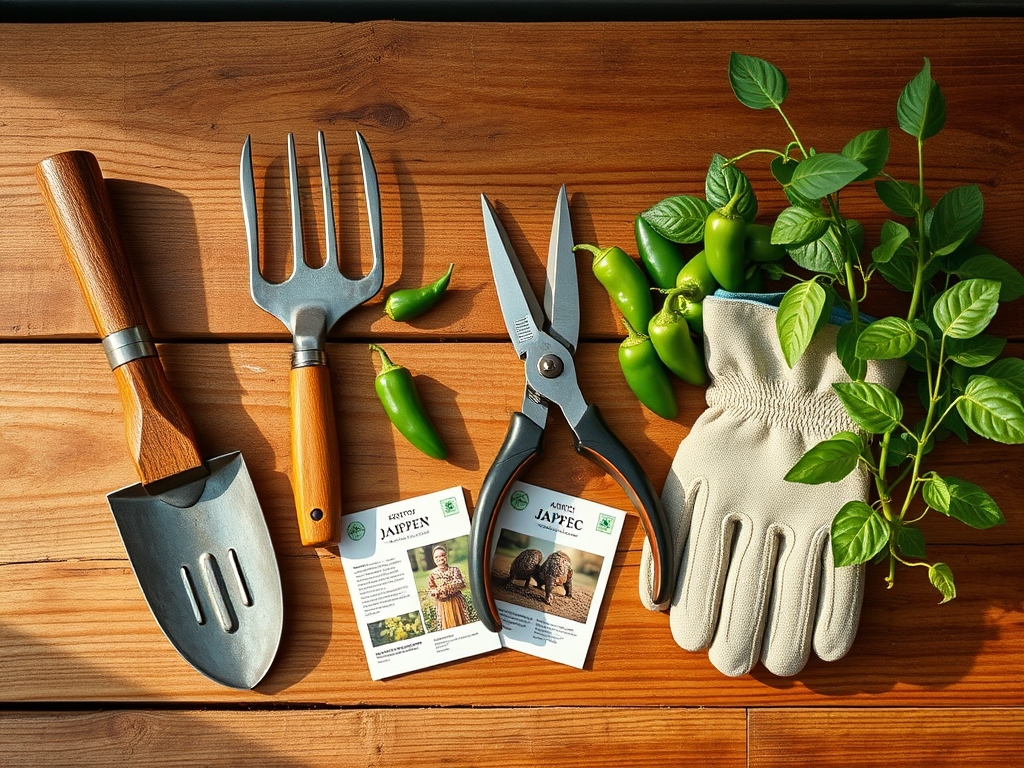
Keep the area free of weeds using a hori-hori knife to slice through taproots without disturbing the shallow lateral roots of the pepper plant. If the plant becomes top-heavy, use a bamboo stake and soft ties to support the main stem. Use bypass pruners to remove any "suckers" or non-fruiting branches below the first "Y" junction of the plant to improve vertical airflow.
The Yield:
When the time comes for how to harvest jalapeño peppers, do not pull the fruit by hand. Pulling can cause longitudinal fractures in the main stem or uproot the plant entirely. Use bypass pruners or sharp floral snips to cut the pedicel 0.5 inches above the shoulder of the pepper.
Harvesting frequently encourages the plant to produce more flowers, as it prevents the plant from reaching its "seed quota." For "day-one" freshness, harvest in the early morning when the plant's turgor pressure is at its peak. Immediately move the peppers to a cool, shaded environment. For long-term storage, maintain a temperature of 45 degrees Fahrenheit and a relative humidity of 90% to 95%. This slows the rate of respiration and prevents shriveling.
FAQ:
How do I know when a jalapeño is ready?
Look for a length of 3 to 4 inches, a firm texture, and a deep green color. Small white lines, or "corking," on the skin indicate the pepper is mature and has reached its peak heat level.
Can I harvest jalapeños when they are red?
Yes. Red jalapeños are fully ripe and have a sweeter flavor profile with increased heat. However, leaving fruit to turn red tells the plant to slow production, which may reduce your total seasonal yield.
Why are my jalapeños not spicy?
Capsaicin levels are influenced by genetics and environmental stress. Lack of heat often results from over-watering or excessive nitrogen. Mild water stress during fruit development can actually increase the concentration of capsaicinoids within the placental tissue.
How should I store harvested jalapeños?
Place unwashed peppers in a breathable bag in the refrigerator crisper drawer. Maintain temperatures near 45 degrees Fahrenheit. They will remain firm for 7 to 14 days if the protective waxy cuticle remains intact and dry.