9 Sun and Soil Steps to Prepare a Mediterranean Vegetable Garden
Crushing a dry clod of earth between your palms reveals the structural integrity of your substrate. The scent of geosmin indicates active microbial life; the snap of a leaf under high turgor pressure signals a plant in peak hydraulic balance. Learning how to prepare a garden for a mediterranean vegetable garden requires moving beyond surface aesthetics to master the chemical and physical properties of the rhizosphere. You are not just planting; you are engineering a microclimate characterized by high solar radiation and specific drainage requirements. Success depends on a soil structure that facilitates rapid gas exchange while maintaining enough moisture to prevent cellular collapse during the heat of the day.
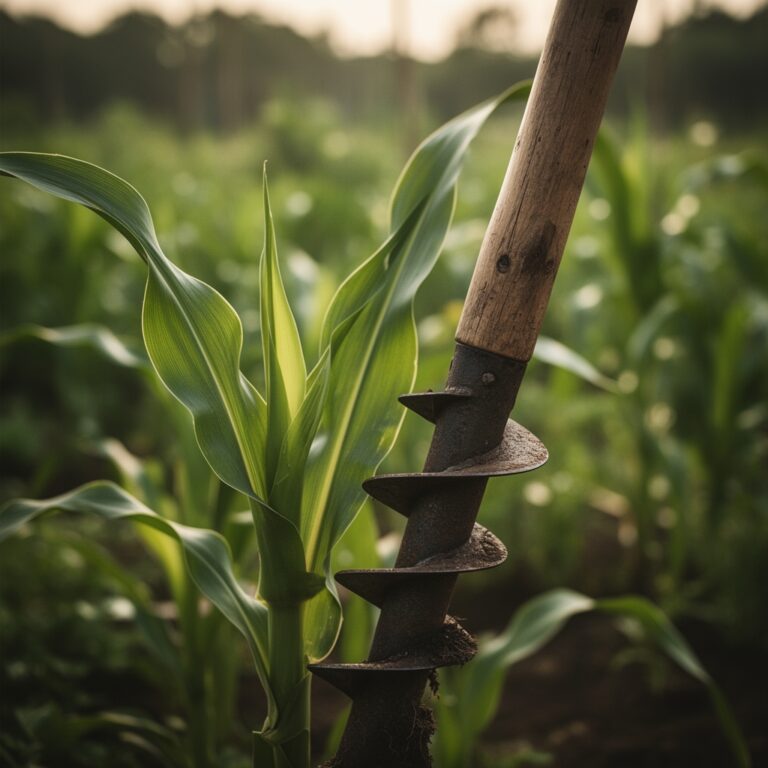
Materials:
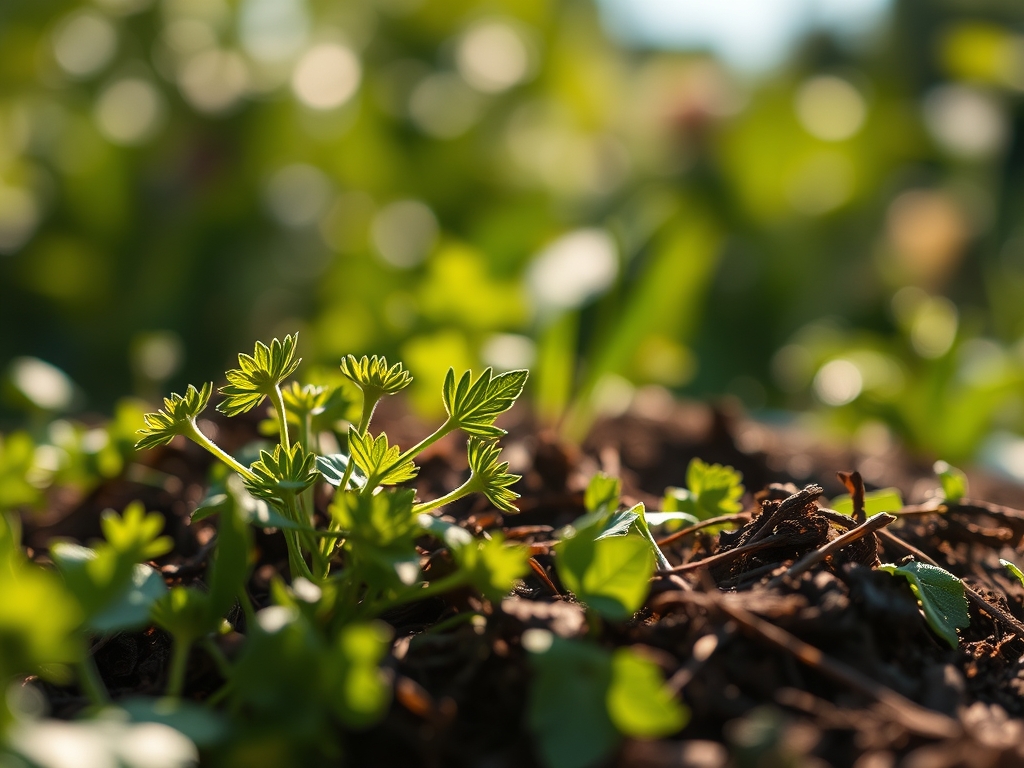
The ideal substrate for a Mediterranean system is a friable loam with a high sand content to ensure a drainage rate of at least 2 inches per hour. You must maintain a soil pH between 6.0 and 7.5 to ensure maximum nutrient bioavailability. At a pH above 7.5, micronutrients like iron and manganese become chemically locked, leading to interveinal chlorosis.
Your amendment strategy should focus on specific NPK (Nitrogen-Phosphorus-Potassium) ratios based on the growth stage. For initial bed preparation, incorporate a slow-release 5-10-10 fertilizer. The lower nitrogen prevents excessive vegetative growth that attracts sap-sucking insects; the higher phosphorus and potassium levels encourage robust root architecture and fruit set. To improve the Cation Exchange Capacity (CEC), integrate organic matter such as well-rotted compost or leaf mold. A high CEC ensures the soil can hold onto positively charged nutrients like calcium and magnesium, preventing them from leaching during irrigation cycles.
Timing:
Mediterranean crops thrive in USDA Hardiness Zones 8 through 11, where the growing season is long and the winters are mild. The biological clock of these plants is dictated by the photoperiod and soil temperature. Do not transplant until the soil temperature consistently reaches 65 degrees Fahrenheit.
The transition from the vegetative stage to the reproductive stage is triggered by accumulated heat units. If you plant too early, cold soil can cause permanent stunting or "buttoning" in crops like peppers and eggplants. Monitor the frost-date windows closely; a late spring frost can rupture plant cells as water expands upon freezing, leading to systemic necrosis. Aim for a planting window that allows for 14 to 16 hours of daily sunlight during the peak of the vegetative phase to maximize photosynthesis.
Phases:

Sowing and Germination
Start seeds in a sterile medium to avoid damping-off pathogens. Maintain a constant temperature of 70 to 75 degrees Fahrenheit for optimal germination rates. Once the first true leaves appear, provide high-intensity light to prevent leggy growth.
Pro-Tip: Utilize bottom heat to stimulate rapid root elongation. The biological why involves the activation of enzymes that break down seed starches into glucose, providing the energy required for the radicle to pierce the seed coat.
Transplanting and Hardening Off
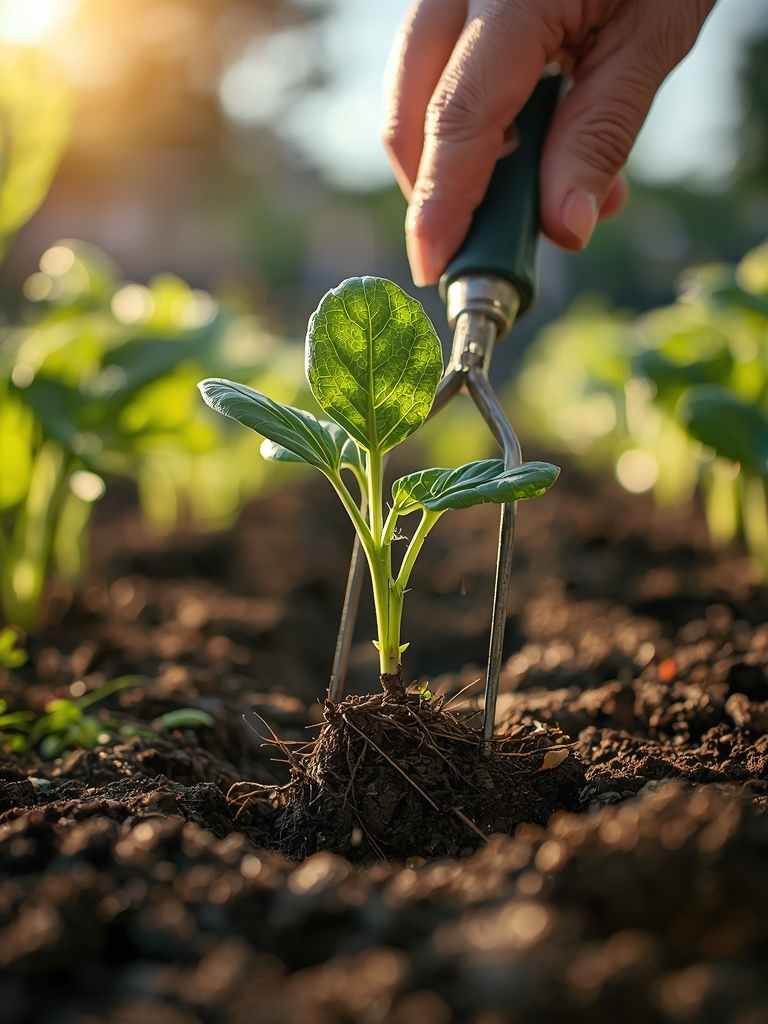
Gradually expose seedlings to outdoor conditions over a 7 to 10 day period. This process thickens the waxy cuticle on the leaves, reducing transpiration rates when the plants are moved to their permanent location. Dig a hole twice as wide as the root ball to encourage lateral root spread.
Pro-Tip: Dust the root zone with mycorrhizal fungi during transplanting. The biological why is a symbiotic relationship where the fungi extend the root system's reach, significantly increasing the uptake of phosphorus and water in arid conditions.
Establishing and Support
Once in the ground, Mediterranean vegetables like tomatoes and peppers require structural support to keep fruit off the soil. Use heavy-duty cages or the Florida Weave method.
Pro-Tip: Pinch off the first flush of flowers on young transplants. The biological why involves auxin suppression; by removing the reproductive sinks, the plant redirects hormonal energy toward root and leaf development, resulting in a larger overall yield later in the season.
The Clinic:
Physiological disorders often mimic infectious diseases but are rooted in environmental stress or nutrient imbalances.
- Symptom: Blossom End Rot. Dark, leathery sunken spots on the bottom of the fruit.
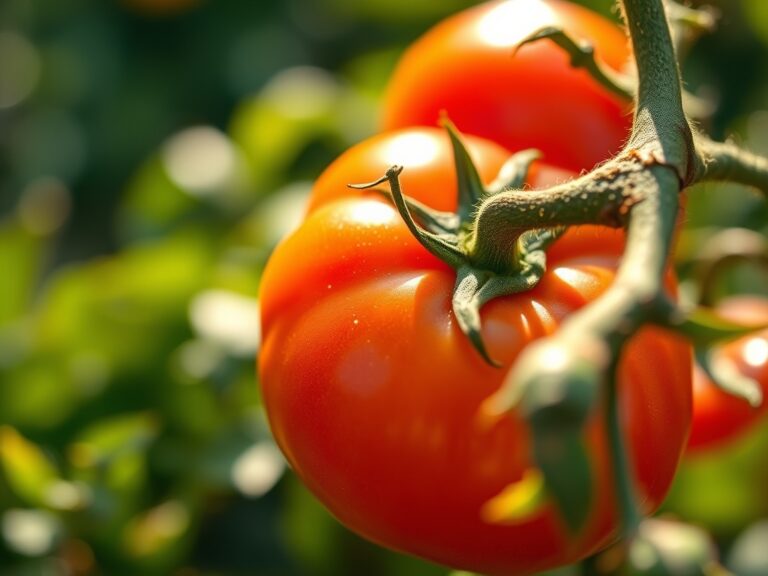
- Solution: This is a localized calcium deficiency. Ensure consistent moisture levels. Calcium moves through the plant via the transpiration stream; if the soil dries out, calcium cannot reach the fruit.
- Symptom: Sunscald. White, papery patches on the side of the fruit facing the sun.
- Solution: Maintain adequate foliage cover. Do not over-prune. The leaves act as a biological heat shield for the developing fruit.
- Symptom: Nitrogen Chlorosis. General yellowing of older, lower leaves while the rest of the plant remains pale.
- Fix-It: Apply a side-dressing of blood meal or fish emulsion. Nitrogen is a mobile nutrient; the plant will pull it from older tissues to support new growth if the soil supply is depleted.
- Symptom: Leaf Roll. Leaves curl upward and inward, becoming leathery.
- Solution: This is a physiological response to high heat and low humidity. It is a defense mechanism to reduce the surface area exposed to the sun and minimize water loss. Increase mulch depth to 3 inches to cool the root zone.
Maintenance:
Precision is the difference between a surviving garden and a thriving one. Deliver 1.5 inches of water per week directly to the drip line. Avoid overhead irrigation, as wet foliage encourages fungal spores to germinate. Use a soil moisture meter to verify that the moisture has penetrated at least 6 inches deep.
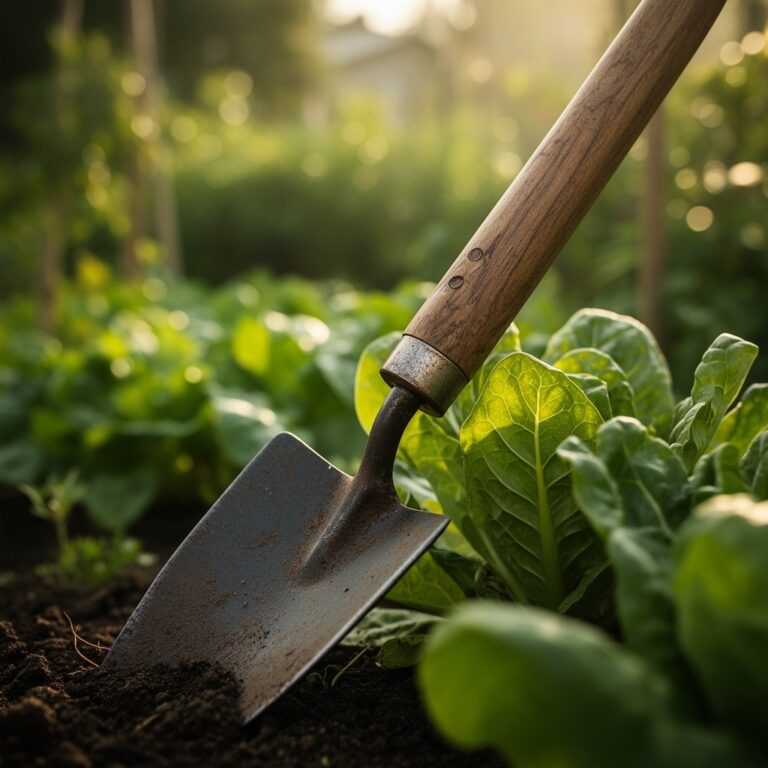
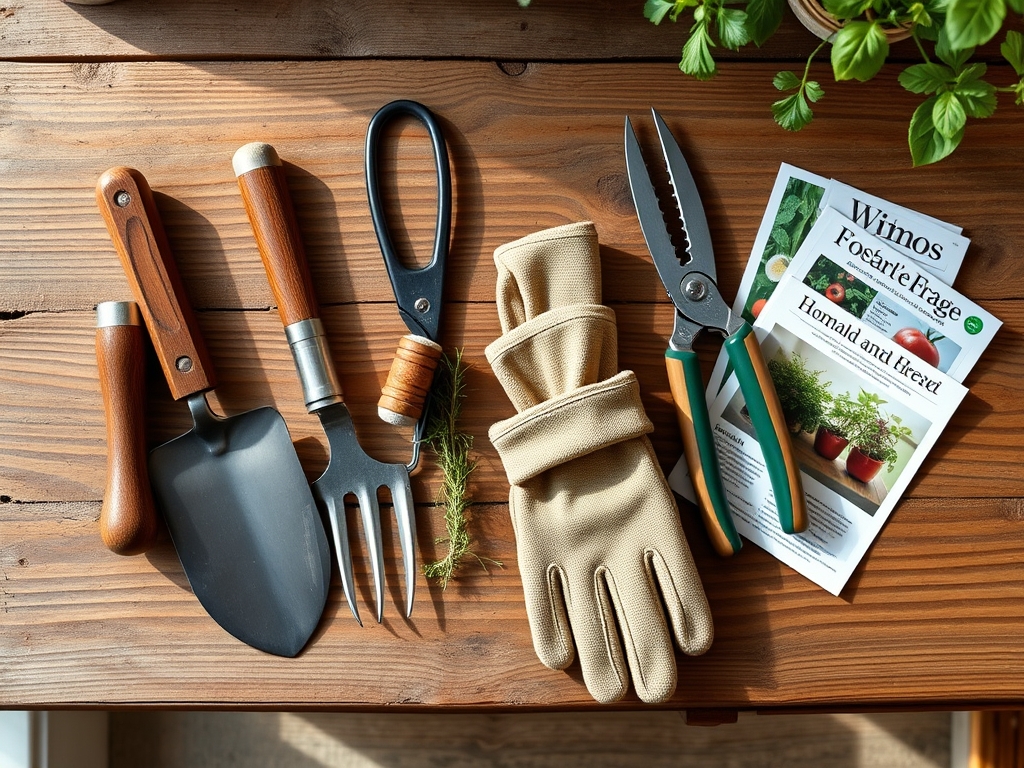
Keep your hori-hori knife sharpened for weeding; slicing weeds at the root collar minimizes soil disturbance and prevents dormant weed seeds from being brought to the surface. Use bypass pruners for clean cuts on woody stems. Ragged cuts take longer to callose over, leaving the plant vulnerable to pathogens. Monitor the mulch layer; as organic mulches decompose, they utilize nitrogen. Supplement with a light application of ammonium sulfate if you notice a growth slowdown.
The Yield:
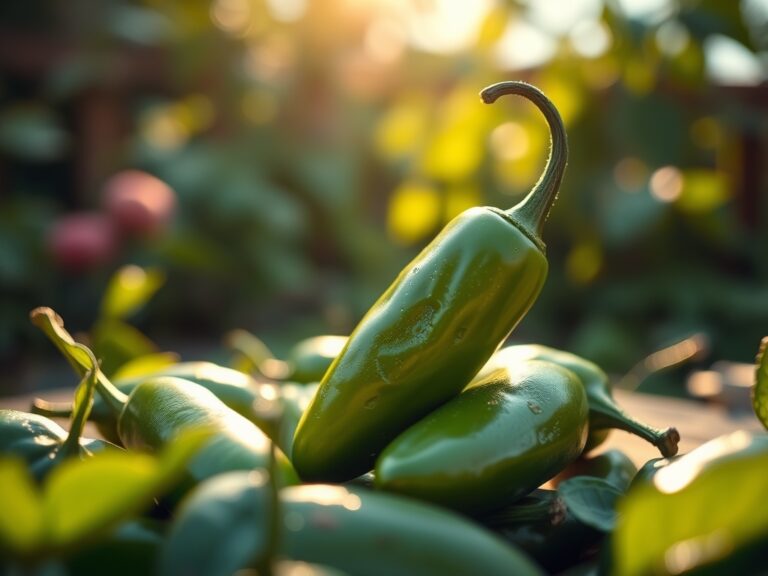
Harvesting is a science of timing. For tomatoes, harvest at the "breaker stage" when the fruit is 30 to 50 percent colored. This prevents fruit cracking and allows the flavor to develop fully off the vine without the risk of bird damage. For peppers, use shears to cut the stem; pulling the fruit can cause limb breakage.
To maintain "day-one" freshness, remove field heat immediately. Place harvested vegetables in a shaded, cool area (around 55 to 60 degrees Fahrenheit). Do not refrigerate tomatoes, as temperatures below 50 degrees Fahrenheit damage the volatile compounds responsible for flavor and cause the texture to become mealy. For leafy herbs like basil, treat them like cut flowers by placing the stems in a jar of water at room temperature.
FAQ:
How often should I water Mediterranean vegetables?
Aim for 1 to 1.5 inches of water per week, delivered in two deep sessions rather than daily shallow sprinkles. This encourages deep root penetration and drought resistance. Always check the top two inches of soil for dryness before irrigating.
What is the best soil pH for these plants?
Target a pH range of 6.0 to 7.5. This range ensures that essential macronutrients and micronutrients remain soluble and available for root uptake. Use elemental sulfur to lower pH or lime to raise it based on soil tests.
Can I grow Mediterranean vegetables in containers?
Yes, provided the container holds at least 5 gallons of substrate. Use a high-quality potting mix with perlite for drainage. Containers dry out faster than in-ground beds, so monitor moisture levels daily during peak summer heat.
Why are my tomato flowers falling off?
This is likely blossom drop caused by extreme temperatures. If daytime temps exceed 90 degrees Fahrenheit or nighttime temps stay above 75 degrees Fahrenheit, the pollen becomes sterile, and the plant aborts the flower to conserve energy.
How do I improve heavy clay soil?
Incorporate 3 to 4 inches of organic matter and coarse sand. Do not work the soil when it is wet, as this destroys soil structure and leads to compaction, which prevents oxygen from reaching the rhizosphere.