8 Ways to Prepare a Garden Layout for Improved Drainage
Poor drainage transforms garden soil into a stagnant swamp where roots suffocate and pathogens multiply. After three consecutive days of heavy rain, clay-rich beds can hold water for 48 hours or longer, creating anaerobic conditions that kill beneficial aerobic bacteria. Learning how to prepare a garden for heavy rain drainage prevents root rot, nutrient leaching, and the collapse of soil structure that plagues low-lying plots each spring and fall.
Materials
Preparing drainage infrastructure requires amendments matched to existing soil chemistry and texture. Test soil pH before purchasing materials; most vegetables thrive between 6.0 and 7.0, while acid-loving crops demand 5.0 to 6.0.
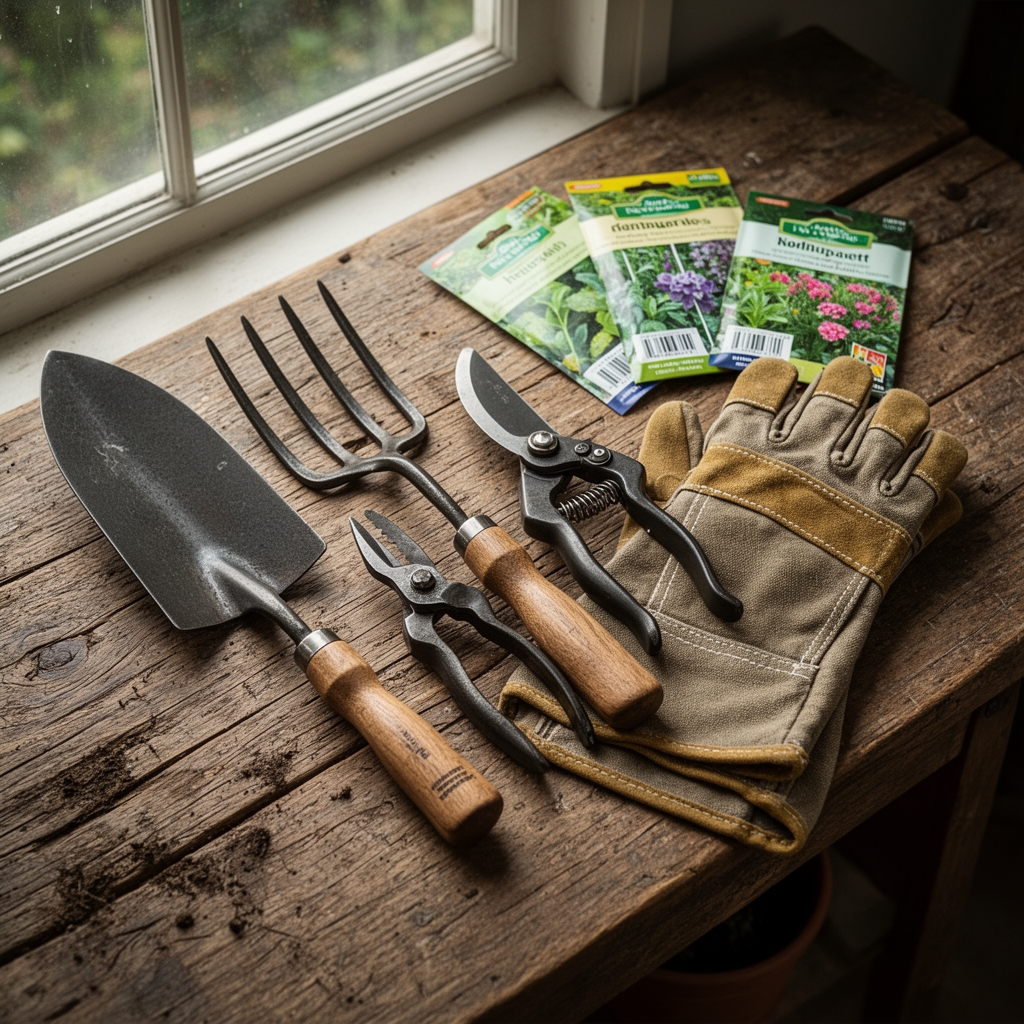
Organic Amendments (NPK 4-4-4): Composted bark fines, aged leaf mold, or mushroom compost at 3 cubic yards per 100 square feet increase cation exchange capacity by 15-20% over one season.
Mineral Aggregates: Coarse sand (particle size 1-2 mm), pea gravel (6-10 mm), or expanded shale improve pore space without adding sodium. Avoid beach sand; salt content above 0.5 dS/m inhibits mycorrhizal fungi colonization.
Perforated Drainage Pipe: 4-inch diameter corrugated HDPE with sock filter, laid at 0.5% grade minimum (6 inches of drop per 100 feet).
Geotextile Fabric: Non-woven polypropylene, 4-6 oz per square yard, prevents silt migration into gravel layers.
Gypsum (Calcium Sulfate): Apply at 40 pounds per 1,000 square feet to clay soils with sodium saturation above 15%. Gypsum displaces sodium ions, restoring soil aggregation within 60 days.
Timing
Drainage work aligns with dormant seasons and soil moisture windows. In Zones 3-5, complete excavation between late August and first frost, when soil moisture content is below 18% by weight. Wet clay smears during digging, destroying soil structure for two growing seasons.
In Zones 6-8, work between November and February. Frozen topsoil in Zones 3-4 protects subgrade during equipment traffic. Southern gardeners in Zones 9-10 should schedule work after autumn rains subside, typically mid-October through January, avoiding the rainy season entirely.
Spring installation carries risk. Soil compaction from foot traffic and wheelbarrows increases bulk density from 1.2 g/cm³ to 1.6 g/cm³, reducing root penetration by 40%. Wait until soil crumbles easily at 6 inches deep and passes the ribbon test: soil that forms ribbons longer than 2 inches is too wet to work.
Phases

Phase 1: Excavation and Grading
Identify the lowest point of the garden using a laser level or 8-foot straightedge. Excavate perimeter trenches 18 inches deep and 12 inches wide, sloping toward the outlet at 0.5% minimum grade. Avoid trenches steeper than 2%; excessive velocity erodes pipe bedding.
Install perforated pipe in trenches, holes facing down (counterintuitive but correct; water enters through the bottom first). Surround pipe with 3 inches of washed gravel on all sides. Backfill with native soil amended 1:1 with compost.
Pro-Tip: Introduce endomycorrhizal inoculant (Rhizophagus irregularis) at 0.1 grams per square foot during backfilling. Fungal hyphae extend root absorption area by 100-1,000 times, improving drought recovery after drainage events.
Phase 2: Surface Contouring
Create raised beds 8-12 inches above grade. Beds shed water laterally into pathways, preventing surface ponding. Construct beds on contour (perpendicular to slope) to slow runoff velocity. Each bed should crown 2 inches higher in the center than at edges.
In flat gardens, build berms 24 inches wide and 10 inches tall, spacing them 4 feet apart. Pathways between berms act as swales, channeling water toward drainage outlets.
Pro-Tip: Shape bed edges at 35-45 degree angles to prevent sidewall slumping. Steeper angles erode during rain; shallower angles reduce planting area by 20%.
Phase 3: Soil Structure Enhancement
Incorporate coarse sand or perlite at 1 cubic yard per 100 square feet into clay soils. Mix to 12-inch depth using a broadfork to avoid compaction from rototillers. Rototillers pulverize soil aggregates, reducing macropore space by 30%.
Add gypsum at 40 pounds per 1,000 square feet if drainage tests reveal water sitting longer than 24 hours. Gypsum flocculates clay particles, creating channels for air and water movement without altering pH.
Pro-Tip: Plant deep-rooted cover crops (daikon radish, chicory) after initial drainage work. Tap roots penetrate hardpan layers, creating permanent channels that persist three seasons after crop termination. Daikon roots reach 24-36 inches, breaking through compacted subsoil that machinery cannot access.
Troubleshooting
Symptom: Water pools in bed centers despite grading.
Solution: Subsurface hardpan at 8-14 inches blocks vertical percolation. Use a soil auger to confirm hardpan depth. Break layer with a subsoiler or broadfork at 16-inch depth, working in a grid pattern every 18 inches.
Symptom: Drainage pipes back up after heavy rain.
Solution: Outlet elevation is too high, or pipe grade reversed. Re-check grade with a laser level. Outlet must be 6 inches lower than inlet minimum. Clear roots from perforations using a plumber's snake every three years.
Symptom: Soil drains too quickly; plants wilt between rains.
Solution: Excessive sand content (above 70%) reduces water-holding capacity below 0.8 inches per foot. Incorporate compost at 4 cubic yards per 100 square feet to restore field capacity to 1.5 inches per foot.
Symptom: Moss and algae cover bed surfaces.
Solution: Surface compaction from foot traffic or overhead watering seals soil pores. Aerate beds with a broadfork to 8-inch depth monthly. Switch to drip irrigation; overhead spray increases surface crusting by 25%.
Symptom: Plants yellow and wilt despite adequate drainage.
Solution: Rapid drainage leaches nitrogen and potassium beyond root zones. Apply slow-release organic fertilizer (5-3-4) at 2 pounds per 100 square feet every six weeks. Mulch with 3 inches of shredded hardwood to slow leaching by 40%.
Maintenance
Monitor drainage performance after each storm exceeding 1 inch in 24 hours. Water should infiltrate within 4 hours of rain cessation. If ponding persists beyond 6 hours, probe soil with a metal rod to locate compacted layers or hardpan reformation.
Apply 1 inch of compost annually as topdressing. Organic matter mineralization rates in well-drained soils reach 3-5% per year; annual additions maintain stable soil structure. Avoid walking on beds; each footstep increases bulk density by 0.1 g/cm³ in the top 4 inches.
Re-seed pathways with perennial ryegrass or fine fescue at 5 pounds per 1,000 square feet. Grass roots stabilize swale edges and absorb 30% more runoff than bare soil.
Flush drainage pipes every two years by running a garden hose into the uphill inlet for 15 minutes. Sediment accumulation reduces flow capacity by 10% annually if left unmaintained.
FAQ
How deep should drainage trenches be for vegetable gardens?
Trenches should reach 18 inches deep to intercept water below the primary root zone of most annual crops, which extends 12-16 inches. Deeper trenches offer no additional benefit for herbaceous plants but increase excavation cost.
Can I install drainage in an established garden without removing plants?
Yes. Excavate trenches along bed perimeters during dormancy in late fall. Keep trenches 24 inches from plant crowns to avoid severing structural roots. Backfill within 48 hours to prevent root desiccation.
What is the minimum slope for drainage pipes?
0.5% grade (6 inches of drop per 100 feet) ensures reliable flow without sediment deposition. Slopes below 0.3% allow silt accumulation that clogs perforations within three years.
How long does improved drainage last?
Properly installed systems function for 15-20 years before pipe replacement. Soil structure improvements persist 5-7 years if maintained with annual compost additions and cover cropping.
Do I need professional equipment to improve drainage?
No. Hand tools (broadfork, shovel, laser level) suffice for gardens under 1,000 square feet. Rent a walk-behind trencher for larger areas to reduce labor time from 8 hours to 90 minutes per 100 linear feet.