9 Survival Steps on How to Prepare Your Vegetable Garden for a Sudden Spring Frost
The cold clay sticks to your palms at 4 a.m. when you rush barefoot into the garden, thermometer in hand, watching your breath fog the air. That subtle shift in wind direction, the unnatural stillness before dawn, tells you what the forecast confirmed: frost is coming tonight. Learning how to prepare a garden for a spring frost separates the gardeners who harvest abundance from those who replant three times before June. The difference between protected transplants and blackened stems comes down to nine survival steps executed with precision and speed.
Materials & Supplies
Protection Materials:
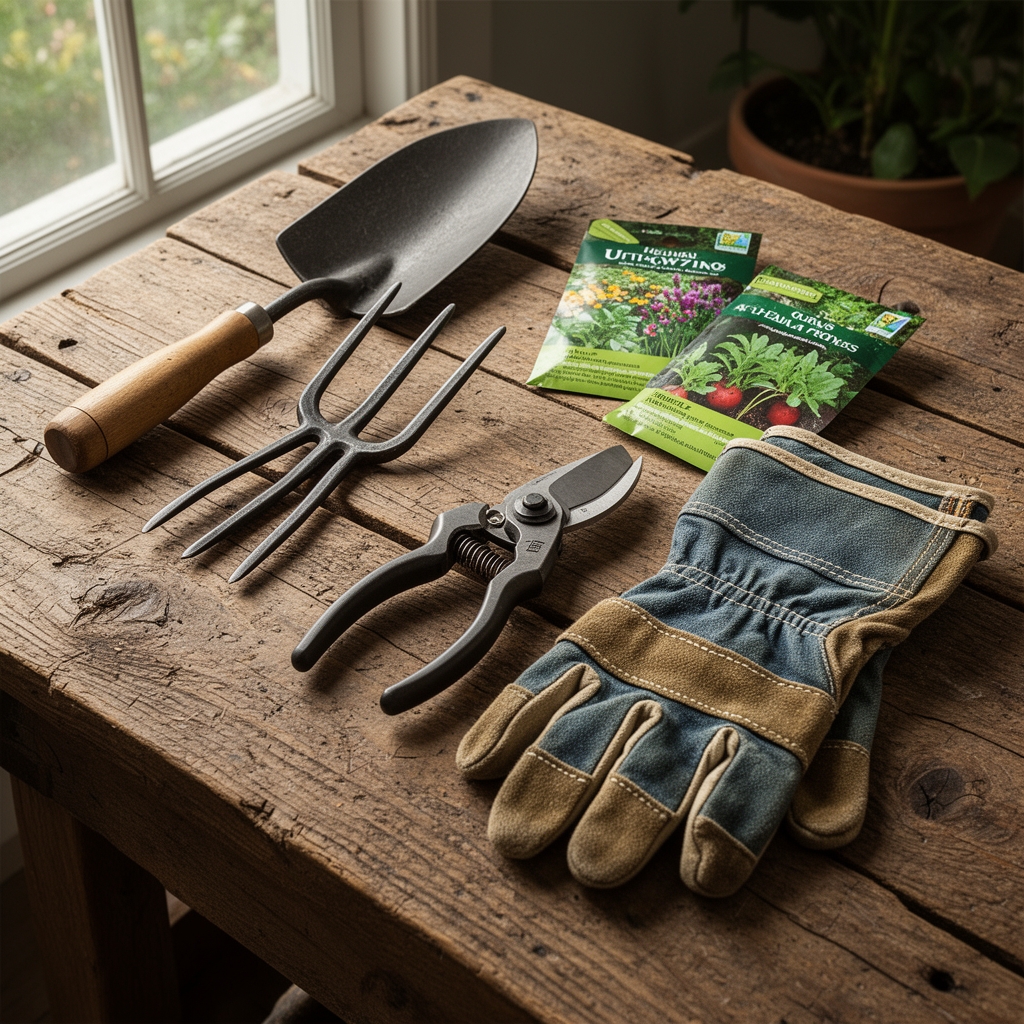
- Row covers (0.5 oz for light protection, 1.5 oz for hard freeze)
- Bed sheets, burlap, or frost blankets (nothing plastic touching foliage)
- Wire hoops or bamboo stakes (18-24 inches tall)
- Landscape staples or bricks for anchoring
- Agricultural thermometer with min/max memory
Soil Amendments (Applied 2 Weeks Prior):
- Compost (pH 6.5-7.0, improves thermal mass)
- Bone meal (3-15-0 NPK for phosphorus boost)
- Blood meal (12-0-0 for quick nitrogen)
- Greensand (0-0-3, potassium for cold hardiness)
Emergency Heat Sources:
- Five-gallon buckets (painted black, filled with water)
- String lights (old incandescent bulbs, not LED)
- Milk jugs filled with warm water
- Mulch (straw, shredded leaves, 2-3 inch layer)
Tools:
- Soil moisture meter
- Spray bottle for anti-transpirant application
- Garden cart for rapid material transport
Timing & Growing Schedule
Hardiness Zone Calculations:
Zones 3-5: Last frost date typically May 15-June 1. Spring frosts threaten until Memorial Day.
Zones 6-7: Last frost date April 15-30. Late cold snaps occur through mid-May.
Zones 8-10: Last frost date March 1-31. Rare frost events cause catastrophic damage to unprepared gardens.
Days to Maturity Windows:
Cool-season crops (lettuce, spinach, peas) tolerate light frost (28-32°F) when properly hardened. Transplant 4-6 weeks before last frost date.
Warm-season crops (tomatoes, peppers, squash) suffer cellular damage below 35°F. Transplant only after soil reaches 60°F at 4-inch depth, typically 2 weeks past last frost date.
Seed Starting Schedule:
Start brassicas indoors 6-8 weeks before last frost. Begin hardening off 10-14 days before transplant by exposing to outdoor conditions for progressively longer periods. Monitor forecasts daily once transplants enter the garden.
Step-by-Step Instructions
Step 1: Monitor Soil and Air Temperature Differentials
Check soil temperature at root depth (4-6 inches) in late afternoon. Soil holding 50°F+ releases heat overnight and protects roots. When air temperature drops 20+ degrees below soil temperature, frost risk increases exponentially.
Pro-Tip: Wet soil holds 25% more heat than dry soil. Water thoroughly 24 hours before predicted frost, but never water frozen plants.
Step 2: Install Physical Barriers Before Sunset
Erect row covers, hoops, and blankets 2-3 hours before temperature drops. Fabric touching foliage conducts cold directly to leaves. Create air pockets by suspending materials 6-8 inches above plant canopy using stakes or wire frames.
Pro-Tip: Anchor covers on the windward side first. Wind lifts inadequately secured fabric, exposing plants during critical nighttime hours.
Step 3: Deploy Thermal Mass Heat Sinks
Place black water-filled containers (buckets, milk jugs) between plant rows. Water absorbs daytime heat and releases it slowly overnight. Position containers on the north side of plants to prevent shading.
Pro-Tip: Add a pinch of salt to water containers. Saltwater freezes at 28°F instead of 32°F, extending heat release duration.
Step 4: Apply Anti-Transpirant Foliar Spray
Spray anti-transpirant solution (commercial products contain pine oil or polymer waxes) on leaf surfaces 24-48 hours before frost. This coating reduces moisture loss and provides a thin insulating layer. Coat both leaf surfaces for maximum protection.
Pro-Tip: Reapply after rain or irrigation. Anti-transpirants degrade under moisture exposure.
Step 5: Mulch Root Zones Heavily
Spread 3-4 inches of loose straw or shredded leaves around plant bases. Mulch insulates soil, preventing heat escape. Leave a 2-inch gap around stems to prevent Rhizoctonia solani (damping-off fungus) infection.
Pro-Tip: Pull mulch back from stems once frost danger passes. Excess moisture retention promotes crown rot in warming conditions.
Step 6: Add Supplemental Heat for Borderline Temperatures
String incandescent holiday lights (not LED) under row covers. Old-style bulbs generate 90% of energy as heat. One 100-bulb strand raises temperatures 3-5°F in a 4×8 foot bed.
Pro-Tip: Never let lights touch fabric or foliage. Use ceramic bulb sockets rated for outdoor use to prevent fire hazards.
Step 7: Create Windbreaks Around Exposed Areas
Wind accelerates heat loss through convection. Construct temporary barriers using hay bales, bamboo screens, or burlap on stakes. Position windbreaks on the northwest exposure where coldest winds originate.
Pro-Tip: Windbreaks work best when placed 10 feet from plants. Too close, they create turbulent downdrafts that negate protection benefits.
Step 8: Prioritize Heat-Sensitive Transplants
Protect newly transplanted seedlings first. Young plants with underdeveloped root systems lack carbohydrate reserves to recover from cold damage. Established plants (8+ weeks in ground) tolerate brief cold exposure better.
Pro-Tip: Harvest frost-vulnerable crops (basil, beans) preemptively if protection resources are limited. One night of 30°F kills these crops regardless of protective measures.
Step 9: Remove Covers at Proper Morning Timing
Uncover plants once air temperature rises above freezing and sunlight begins warming the air, typically 1-2 hours after sunrise. Remove covers gradually to prevent thermal shock. Start on the east side to ease plants into morning light.
Pro-Tip: If frost crystals remain on foliage, mist lightly with cool water before uncovering. Gradual thawing prevents cellular rupture better than rapid temperature changes.
Nutritional & Environmental Benefits
Protected spring gardens deliver earlier harvests of nutrient-dense vegetables. Spinach grown in cold conditions concentrates 40% more iron and vitamin C than summer-grown leaves. Early brassicas provide glucosinolates that support liver detoxification pathways.
Maintaining vegetable gardens through unpredictable spring weather supports native pollinator populations. Early flowering crops (peas, fava beans) provide critical nectar sources for Mason bees and bumblebee queens emerging from winter dormancy. These native pollinators work in cooler temperatures (50-60°F) when honeybees remain dormant.
Protected gardens preserve soil structure by preventing freeze-thaw cycles that destroy mycorrhizal fungi networks. These fungal associations extend root systems by 100-1000x, improving phosphorus uptake and drought resistance throughout the growing season.
Advanced Methods
Small Space Frost Protection:
Container gardens gain mobility advantages. Move pots against south-facing walls or under eaves where radiant heat accumulates. Cluster containers together; grouped plants share metabolic heat and create beneficial microclimates. Wrap containers with bubble wrap to insulate root zones.
Organic & Permaculture Approaches:
Interplant cold-hardy crops (kale, collards) between frost-sensitive plants (tomatoes, peppers). Hardy plants serve as living windbreaks and insulating layers. Practice polyculture succession planting; if early crops fail, established later plantings fill gaps without bare soil exposure.
Apply compost tea 48 hours before frost events. Beneficial microbes coating leaf surfaces produce antifreeze proteins that lower ice nucleation temperatures by 2-3°F. Brew tea at 65-70°F for 24 hours using unsulfured molasses as microbial food source.
Season Extension Infrastructure:
Install low tunnels (36-inch hoops with 6 mil greenhouse plastic) over beds in fall. Tunnels remain in place through spring, providing instant frost protection. Vent tunnels when daytime temperatures exceed 65°F to prevent heat stress and fungal diseases.
Construct cold frames using salvaged windows over raised beds. Frames capture and store solar energy, maintaining temperatures 10-15°F above ambient. Prop lids open progressively as spring advances.
Troubleshooting
Symptom: Blackened, water-soaked foliage appearing overnight.
Solution: This indicates hard freeze damage (below 28°F). Remove destroyed tissue immediately to prevent Botrytis (gray mold) colonization. Side-dress plants with compost and 5-10-10 fertilizer to support new growth.
Symptom: Leaves droop but remain green after frost exposure.
Solution: Temporary wilting from cellular water loss. Mist foliage with cool water at sunrise. Most plants recover within 6-8 hours. Avoid fertilizing until new growth confirms recovery.
Symptom: White, papery patches on leaf surfaces.
Solution: Freeze damage to epidermis without deep tissue injury. Affected areas photosynthesize at reduced capacity but plants survive. Increase nitrogen (blood meal, 12-0-0) to accelerate replacement foliage production.
Symptom: Flower buds drop from fruit trees and berry bushes.
Solution: Frost killed developing ovaries inside buds. No remedy exists for current season. Prune damaged wood and apply balanced fertilizer (10-10-10) to support vegetative growth and next year's bud formation.
Symptom: Row covers touch foliage despite proper installation.
Solution: Wind or fabric weight collapses supports. Upgrade to heavier gauge wire (9-gauge), space supports every 4 feet, or switch to PVC pipe hoops for rigid structure. Secure fabric with clips instead of draping over supports.
Storage & Maintenance
Watering Protocols:
Provide 1 inch of water weekly through drip irrigation or soaker hoses. Water deeply at root zones rather than overhead sprinkling. Soil moisture at field capacity (holds water without saturation) maximizes cold hardiness.
Reduce watering frequency 3-4 days before predicted frost. Excess soil moisture encourages tender new growth vulnerable to cold damage. Resume normal irrigation 48 hours after temperatures stabilize above freezing.
Feeding Schedules:
Apply balanced fertilizer (10-10-10) at transplanting. Side-dress with compost every 3-4 weeks during active growth. Stop nitrogen applications 2 weeks before first fall frost date; excess nitrogen creates succulent growth susceptible to cold injury.
Foliar feed with liquid kelp (0-0-1 NPK plus micronutrients) weekly during cold stress periods. Kelp contains cytokinins and auxins that improve stress tolerance and support cell membrane integrity during temperature fluctuations.
Post-Harvest Storage:
Cold-damaged vegetables lose storage quality rapidly. Process frost-nipped produce within 24 hours: blanch and freeze greens, make sauces from damaged tomatoes, dehydrate affected herbs.
Root crops touched by light frost (32-35°F) develop sweeter flavor as starches convert to sugars. Harvest carrots, parsnips, and beets after light frost for peak sweetness. Store at 32-40°F with 90-95% humidity in root cellars or refrigerators.
Equipment Maintenance:
Clean row covers after use. Wash in mild detergent, rinse thoroughly, dry completely before storage. Fold covers loosely in breathable bags (not plastic). Properly maintained fabric lasts 5-7 seasons.
Drain and dry water containers. Store inverted to prevent mosquito breeding. Inspect supports and hoops for rust or damage. Apply linseed oil to wooden stakes annually.
Conclusion
Success in spring frost protection combines vigilant weather monitoring, proper material deployment, and timing precision. These nine steps create an insurance policy against unpredictable temperature swings that threaten months of careful planning. Master these techniques and your garden produces abundant harvests regardless of atmospheric chaos. Share your frost protection experiences with local gardening groups and help neighbors safeguard their plantings before the next cold snap arrives.
Expert FAQs
How late can spring frosts occur in different hardiness zones?
Zone 3-4 gardens face frost risk through early June. Zones 5-6 typically clear by mid-May, though occasional Memorial Day freezes occur. Zones 7-8 rarely experience frost after April 15, but polar vortex events create exceptions every 5-10 years.
Which vegetables survive frost without protection?
Mature kale, collards, Brussels sprouts, spinach, and mâche tolerate 25-28°F. Garlic and multiplier onions survive 20°F. Newly emerged seedlings of these crops still require protection until they develop 4-6 true leaves.
Do frost protection methods work for fruit trees?
Row covers prove impractical for large trees. Use orchard heaters, wind machines, or overhead sprinklers (ice coating method) for commercial orchards. Home gardeners should focus on site selection (slopes drain cold air) and late-blooming cultivar choices.
How much do water jugs actually raise temperature under row covers?
A five-gallon bucket raises air temperature 3-4°F in a 3×6 foot space for 4-6 hours. Effectiveness depends on daytime solar exposure to heat water and nighttime temperature drop rate. Position 1 gallon of water per 10 square feet of covered space.
Should I harvest vegetables before frost or protect them in place?
Harvest heat-loving crops (tomatoes, peppers, beans, squash, cucumbers) preemptively if temperatures below 35°F are predicted. Protect cool-season crops (lettuce, brassicas, root vegetables) in place; they recover from light frost and gain improved flavor from cold exposure.