6 Steps for Installing a Greenhouse Heater to Grow Winter Vegetables
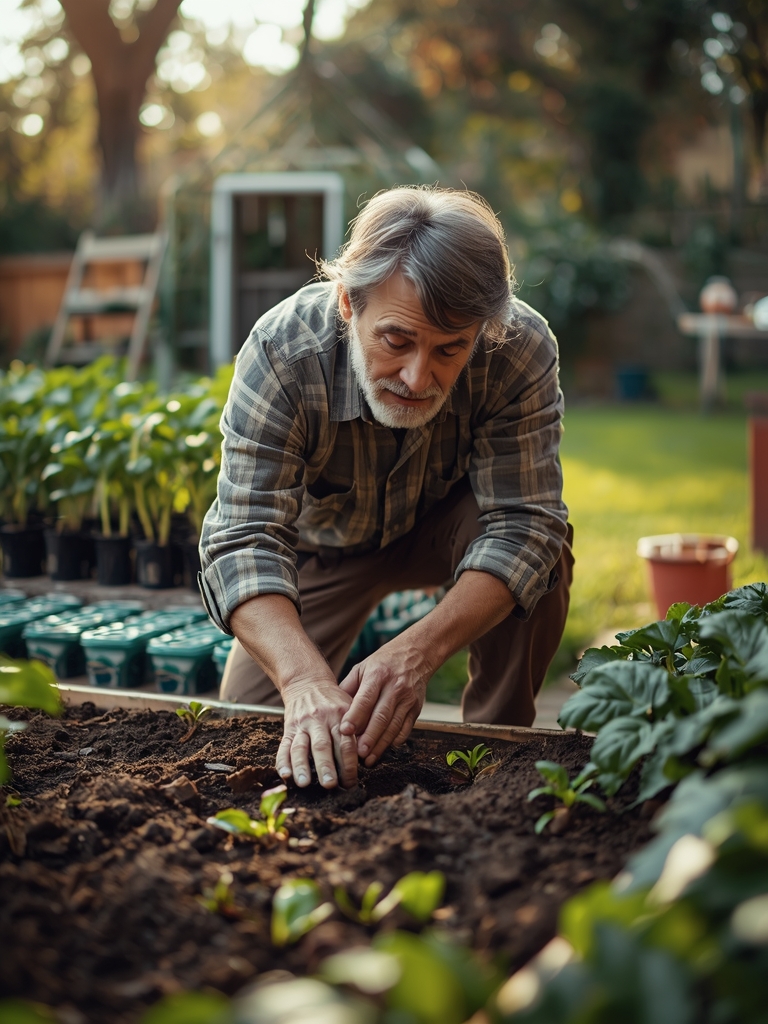
The first hard frost turns everything brittle. Leaves crackle underfoot, and the greenhouse glass fogs with condensation at dawn. Without proper heat, your winter greens wilt by mid-January, no matter how carefully you've planned. Learning the steps for installing a greenhouse heater for winter veg transforms a cold frame into a production zone where kale, spinach, and carrots thrive through February's worst days. The smell of damp potting mix mingles with propane exhaust as you calibrate burners and thermostats, creating microclimates that defy the calendar outside.
Materials & Supplies
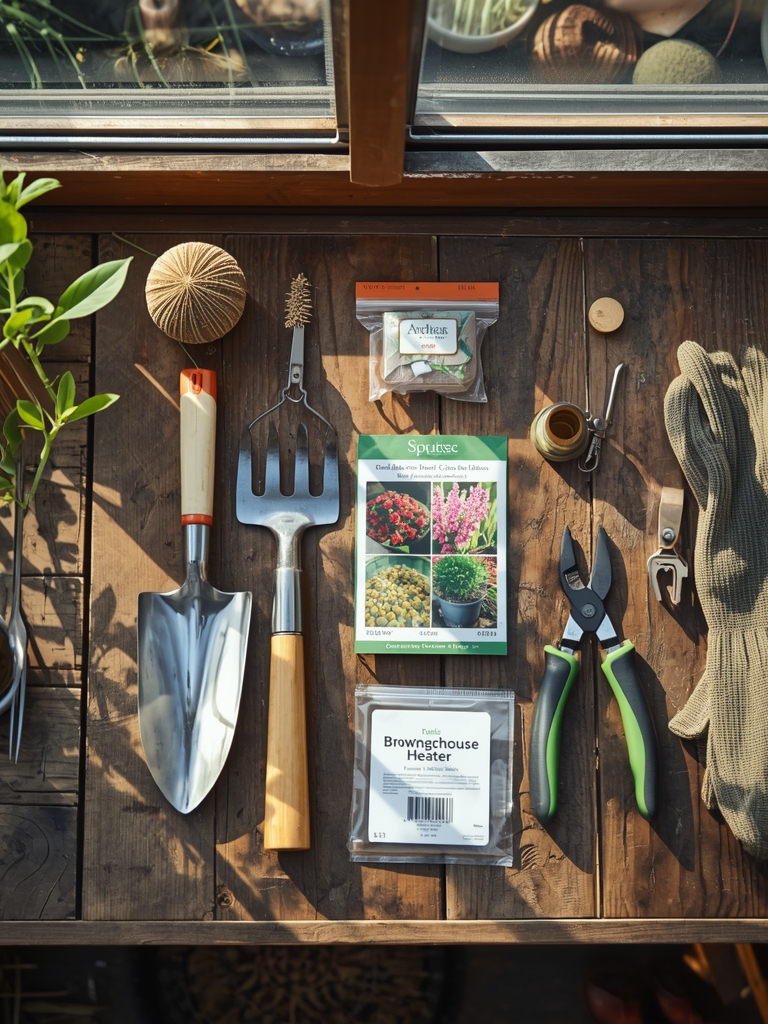
Gather these components before attempting installation:
Heating Equipment:
- Propane or natural gas heater (minimum 10,000 BTU for 8×10 greenhouse)
- Thermostat with ±2°F accuracy
- Ventilation louvers (automatic or manual)
- Carbon monoxide detector (mandatory for combustion systems)
Installation Hardware:
- 3/4-inch gas line fittings
- Pipe thread sealant rated for propane
- Wall-mounting brackets (galvanized steel)
- Flex connector (18-inch stainless steel)
Soil & Amendments:
- Bagged potting mix with pH 6.0-6.8
- Mycorrhizal fungi inoculant (Glomus species)
- Balanced fertilizer (5-10-5 NPK ratio for leafy greens)
- Dolomitic lime (adjusts pH, adds magnesium)
Safety Gear:
- Leak detection solution
- Fire extinguisher (Class B rated)
- Insulated gloves
Timing / Growing Schedule
Hardiness Zones: These techniques work best in Zones 5-7, where average winter lows hover between -10°F and 10°F. Zone 8 gardeners may only need heat during extreme cold snaps.
Installation Window: Complete heater setup by mid-October, at least two weeks before first frost. This allows time to troubleshoot before temperatures plummet.
Seed-Starting Schedule:
- Late August: Start brassicas indoors (kale, collards, broccoli)
- Early September: Direct sow spinach, lettuce, arugula in greenhouse beds
- Mid-September: Transplant brassica seedlings (45-60 days to maturity)
- October: Install heater, maintain 40-50°F nighttime minimum
Days to Maturity (with heating):
- Spinach: 30-40 days
- Kale: 55-75 days
- Carrots: 70-80 days
- Winter lettuce: 45-60 days
Step-by-Step Instructions
Step 1: Assess Heating Needs
Calculate your greenhouse volume in cubic feet (length x width x height). Multiply by 1.5 to account for glazing heat loss. A 10x12x8-foot structure needs roughly 1,440 cubic feet of heated space, requiring a 12,000-15,000 BTU heater.
Pro-Tip: Place a min/max thermometer at plant canopy height, not near walls. Ground-level readings mislead you by 8-12°F on clear nights when cold air stratifies.
Step 2: Choose Installation Location
Mount the heater on the north wall, 18 inches above soil level. This placement prevents direct flame contact with foliage while allowing warm air to rise naturally across the greenhouse.
Pro-Tip: Install a horizontal baffle (sheet metal, 24×36 inches) 12 inches above the heater. It deflects heat laterally instead of straight up, eliminating hot spots near the ridge vent.
Step 3: Run Gas Supply Line
Connect propane tank or natural gas line using black iron pipe. Apply pipe dope to male threads only, never to female fittings. Hand-tighten connections, then use a pipe wrench for 1.5 additional turns.
Pro-Tip: Slope supply lines 1/4 inch per foot back toward the tank. Condensation drains away from the heater instead of pooling in the regulator, which causes freeze-ups during single-digit nights.
Step 4: Mount Thermostat
Position the thermostat sensor at plant height, away from direct sun or heater exhaust. Use a shielded enclosure to prevent radiant heat from skewing readings. Set the target temperature to 45°F for hardy greens, 50°F for tender lettuce varieties.
Pro-Tip: Calibrate with ice water (32°F) and boiling water (212°F at sea level). If readings drift more than 3°F, replace the unit. Cheap thermostats cost you more in propane waste than their purchase price.
Step 5: Install Ventilation
Add automatic louvers on the south wall, opposite the heater. They open when temps exceed 65°F, preventing CO2 depletion and ethylene buildup from combustion. Spring-loaded models require no electricity.
Pro-Tip: Crack the louvers 1/2 inch even when closed. This passive airflow prevents damping-off fungi (Pythium, Rhizoctonia) from colonizing damp soil surfaces where condensation drips from glazing.
Step 6: Perform Safety Check
Brush leak detection solution on every joint. Pressurize the system and watch for bubbles. Light the pilot according to manufacturer specs. Run the heater for 30 minutes while monitoring the CO detector.
Pro-Tip: Install a redundant mechanical shut-off valve outside the greenhouse. If internal components fail during a cold snap, you can kill fuel flow without entering a potentially CO-saturated structure.
Nutritional & Environmental Benefits
Winter greenhouse vegetables deliver superior nutrient density compared to shipped produce. Cold-stressed kale increases glucosinolate content by 30%, compounds linked to anti-inflammatory effects. Spinach grown at 45°F overnight temps concentrates iron (3.2 mg per cup) and folate (58 mcg per cup).
Heated greenhouses extend forage seasons for Mason bees (Osmia lignaria). Early-blooming mustard family crops provide March pollen when wild sources remain dormant. Nitrogen fixation occurs year-round if you interplant fava beans, which host Rhizobium bacteria even at 40°F soil temps.
Maintaining 50°F minimums uses 60% less propane than attempting 70°F tropical conditions. You create habitat for beneficial insects (lacewings, predatory mites) that overwinter in mulch layers, emerging to control aphids when spring production ramps up.
Advanced Methods
Small Space Optimization:
Install a wall-mounted "direct vent" heater that exhausts combustion gases outside. These units occupy 18 inches of vertical space, freeing up floor area for raised beds. Pair with thermal mass (5-gallon water jugs painted black) placed along the north wall. They absorb daytime solar gain and release it overnight, reducing heater runtime by 40%.
Organic/Permaculture Approach:
Compost-based heating works in structures under 100 square feet. Build a 4x4x4-foot bin of fresh horse manure (high carbon-to-nitrogen ratio) insulated with straw bales. Thermophilic decomposition generates 130-150°F core temps, radiating warmth for 6-8 weeks. Monitor with a compost thermometer; turn the pile when temps drop below 110°F.
Season Extension:
Layer row covers (0.55 oz/sq yd fabric) over plants inside the heated greenhouse. This "double protection" sustains growth during power outages or propane shortages. Covers trap an additional 4-6°F, enough to prevent cell damage in lettuce leaves when heaters malfunction.
Troubleshooting
Symptom: Yellow flames instead of blue.
Solution: Clean the burner orifice with compressed air. Yellow flames indicate incomplete combustion, producing toxic CO and wasting 30% of fuel. Adjust the air shutter until flames burn crisp blue with orange tips.
Symptom: Heater cycles on every 8 minutes.
Solution: Thermostat placement error. Move the sensor away from the heater's direct exhaust path. Short-cycling wastes propane and stresses ignition components.
Symptom: Condensation drips excessively from glazing.
Solution: Increase ventilation. High humidity (above 80%) encourages Botrytis cinerea (gray mold). Crack vents 2 inches during midday, even in January. Circulating air prevents saturation.
Symptom: Plants near heater show brown leaf margins.
Solution: Ethylene toxicity from unvented combustion. Install a flue or switch to electric resistance heaters. Ethylene accumulates at 0.1 ppm, causing premature senescence in lettuce.
Symptom: Propane freezes, heater shuts off.
Solution: Tank pressure drops below 20 psi when ambient temps fall below 0°F. Insulate the tank with foam board or switch to a larger tank (100 lb minimum) to maintain adequate vapor pressure.
Storage & Maintenance
Watering Protocol:
Provide 1 inch of water per week, split into two sessions. Water at midday when greenhouse temps peak (55-60°F), allowing foliage to dry before nighttime. Cold, wet leaves invite downy mildew (Peronospora species).
Feeding Schedule:
Side-dress with compost (1/2 inch layer) every three weeks. Supplement with fish emulsion (5-1-1 NPK) diluted to half-strength every 10 days. Winter greens grow slowly, so heavy feeding causes salt buildup and tip burn.
Post-Harvest Storage:
Cut greens in the morning after overnight cold "hardens" cell walls. Store unwashed in perforated plastic bags at 32-35°F and 95% humidity. Kale lasts 14 days, spinach 10 days, lettuce 7 days.
Heater Maintenance:
Clean burner assemblies monthly. Remove spider webs and dust from pilot tubes using a soft brush. Check thermocouple connections for corrosion. Replace filters on forced-air models every 30 days during continuous operation.
Off-Season Shutdown:
In April, drain fuel lines and store the heater indoors. UV exposure degrades rubber gaskets and hoses. Lubricate moving parts (louver hinges, thermostat contacts) with silicone spray before the next heating season.
Conclusion
The success blueprint for winter greenhouse production hinges on precise heat management: calculate BTU needs accurately, position equipment to eliminate cold pockets, and maintain ventilation to prevent pathogen pressure. These steps for installing a greenhouse heater for winter veg turn a seasonal hobby into a year-round food system. Share your thermal management strategies with local grower networks to help neighbors extend their harvests through the coldest months.
Expert FAQs
What is the minimum safe nighttime temperature for winter greens in a greenhouse?
Maintain 40°F minimum for hardy crops (kale, spinach, mache). Temperatures below 38°F halt photosynthesis and cause frost damage to cell membranes. Tender lettuce varieties need 45°F minimums to prevent tipburn and bitter flavor development.
How much propane does a greenhouse heater consume per month?
A 15,000 BTU heater running 8 hours nightly consumes approximately 36 gallons per month in Zone 6 winters. Insulating north walls with bubble wrap cuts consumption by 25%. Actual usage varies with wind exposure and glazing type (double-wall polycarbonate uses 40% less than single-pane glass).
Can I use electric heaters instead of propane for winter vegetables?
Electric resistance heaters work but cost 3x more to operate per BTU. Use them in structures under 64 square feet or as backup systems. Pair with a programmable thermostat to run during off-peak electricity hours (typically 9 PM to 6 AM).
Do I need a building permit to install a greenhouse heater?
Most jurisdictions require permits for permanent gas line installations but exempt portable propane systems under 20,000 BTU. Check local fire codes regarding CO detector placement and minimum clearances from combustible materials (typically 12 inches from wood framing).
Which winter vegetables produce the highest yield in heated greenhouses?
Spinach tops the list at 4-6 lbs per 4×8 bed every 40 days. Succession plant every two weeks for continuous harvests. Kale delivers 8-10 lbs per plant over a 12-week picking window. Arugula germinates in 7 days and matures in 30, making it ideal for rapid turnover and cash flow in market operations.