9 Steps to Prepare a Level Greenhouse Foundation Site
Learning how to prepare a site for a greenhouse foundation determines whether your structure will stand for thirty years or crack within three. A poorly leveled base creates drainage channels that erode footings, while uncompacted soil settles unevenly under glazing bars and frame posts. The first shovel of earth you turn commits you to either precision or correction work that will cost triple the effort later.
Materials
Gather these components before breaking ground:
Soil Amendments & Base Materials
- Crushed limestone aggregate (3/4-inch minus) for drainage layer, 4 tons per 100 square feet
- Coarse sand (particle size 0.5-2 mm) to adjust cation exchange capacity in clay soils
- Hydrated lime if soil pH tests below 6.2, applied at 50 pounds per 1,000 square feet
- Gravel (1-1.5 inch diameter) for perimeter French drain, 2 cubic yards per 10×12 foot greenhouse
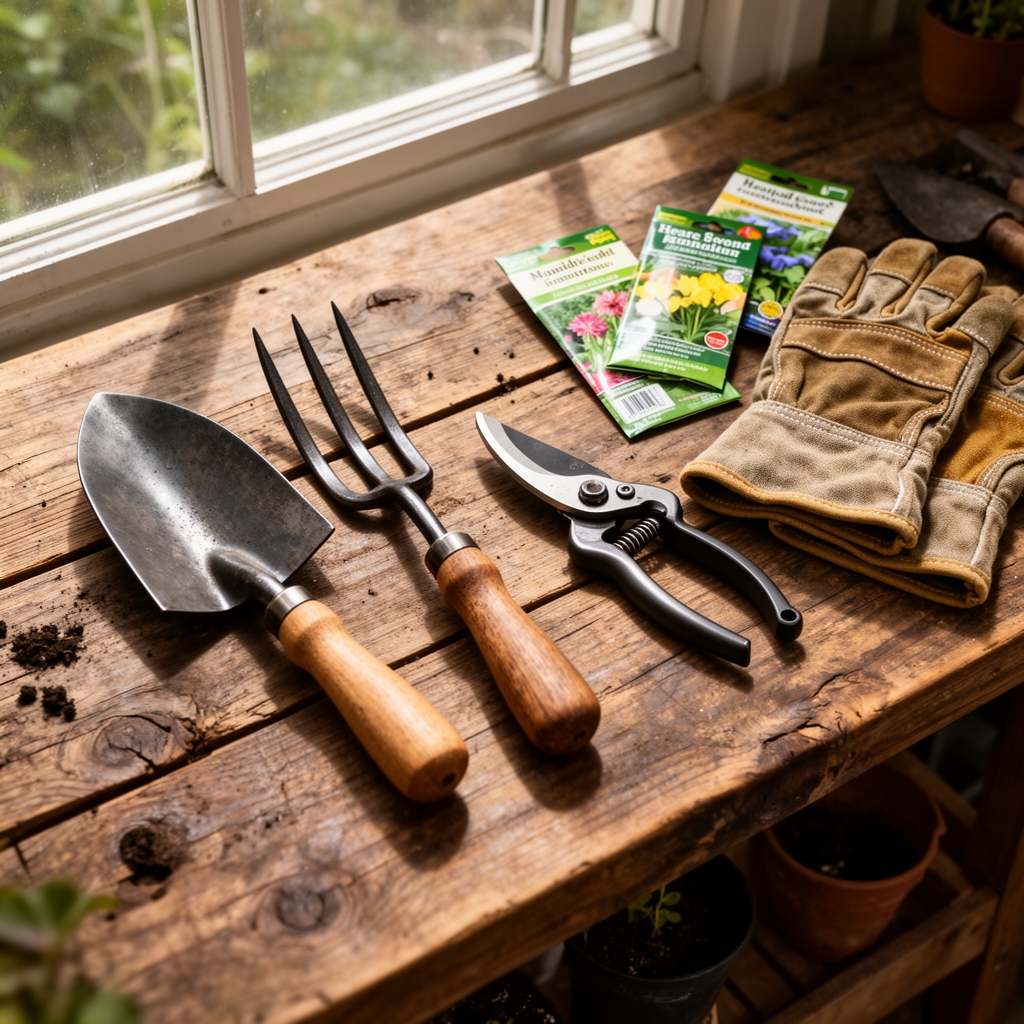
Tools & Equipment
- Laser level (accurate to 1/16 inch over 30 feet) or builder's transit
- Plate compactor (minimum 5,000 pounds compaction force)
- Landscape stakes and mason's line
- Soil penetrometer to measure compaction (target: 200-300 psi)
Structural Components
- Pressure-treated timber (4×6 inch) rated for ground contact if building on-grade
- Concrete mix (3,500 psi minimum) for pier footings
- Rebar (1/2 inch diameter) for reinforcement below frost line
Timing
Execute site preparation during your region's driest season to avoid working saturated soil. In USDA Hardiness Zones 5-7, schedule excavation between late June and September. Zones 8-10 benefit from November through February work when winter rains have not yet begun.
Soil compaction testing requires dry conditions. Wet clay exhibits false readings 40-60 psi higher than actual load-bearing capacity. Wait 72 hours after rainfall exceeding 0.5 inches before resuming grading operations.
Frost penetration depth governs footing placement. Zone 3 requires 48-inch depth, Zone 4 needs 42 inches, Zone 5 requires 36 inches, and Zones 6-7 need 24-30 inches below grade. Southern zones (8-10) can utilize floating slabs with 12-inch perimeter trenches.
Phases
Site Clearing and Marking
Remove vegetation and topsoil to expose subsoil with higher load-bearing capacity. Strip 6-8 inches of organic material that will decompose and create voids under the foundation. Mark corners with stakes set 2 feet beyond the greenhouse footprint to preserve reference points during excavation.
Measure diagonals between opposite corners. Equal diagonal measurements confirm a true rectangle. Acceptable deviation: less than 1/4 inch over 12 feet.
Pro-Tip: Apply glyphosate herbicide at 2% solution to exposed subsoil 14 days before base installation to prevent rhizome regrowth through foundation cracks.
Excavation and Drainage Installation
Dig perimeter trenches 12 inches wide and to the depth required by your frost zone. Slope trenches 1/4 inch per linear foot toward a drainage outlet. Install 4-inch perforated drain pipe surrounded by 6 inches of washed gravel on all sides.
Excavate the interior floor area 6 inches below final grade. This cavity receives the compacted base layers that distribute structural loads.
Pro-Tip: Place landscape fabric (4-ounce needle-punched geotextile) beneath gravel to prevent silt migration into drainage voids, which reduces flow capacity by 70% over five years.
Base Layer Compaction
Spread crushed limestone in 2-inch lifts. Compact each lift with four passes of the plate compactor in perpendicular directions. Test compaction with a penetrometer after each lift. Readings below 200 psi indicate inadequate density and require additional compaction passes.
Build up three lifts to create a 6-inch compacted base. The surface must measure level within 1/8 inch over 10 feet in all directions. High spots require scraping and recompaction. Low areas receive additional material.
Pro-Tip: Mist each lift with 1 gallon of water per 100 square feet before compaction. Moisture content at 8-12% optimizes particle interlocking and increases compaction efficiency by 35%.
Troubleshooting
Symptom: Perimeter settling after first season creates 1-2 inch depressions.
Solution: Edge trenches were not compacted adequately. Excavate settled areas, add crushed stone in 1-inch lifts with compaction between each layer.
Symptom: Standing water inside greenhouse after moderate rainfall (0.5-1 inch).
Solution: Insufficient floor slope or blocked drainage pipe. Interior grade requires minimum 1% slope (1.2 inches per 10 feet) toward drain outlets. Snake drain lines annually.
Symptom: Foundation cracks appear along one wall within 18 months.
Solution: Differential settling from uneven subsoil compaction. Hydraulic jacking can level piers. Inject polyurethane foam beneath settled sections to stabilize subgrade.
Symptom: Frost heave lifts corner posts 2-3 inches each winter.
Solution: Footings terminate above frost line. Re-excavate corners to code depth and pour new piers with rebar extending 18 inches into undisturbed soil.
Maintenance
Inspect foundation perimeter twice annually (spring and fall) for settling indicators. Measure from a benchmark elevation to detect movement exceeding 1/4 inch.
Clear drain outlets monthly during wet seasons. Flush perforated pipes with a pressure washer annually to remove accumulated sediment.
Apply 2 inches of gravel mulch around the greenhouse perimeter to prevent splash erosion that undermines footings. Replenish mulch when depth falls below 1.5 inches.
Monitor interior floor level every five years using the laser level. Deviation beyond 1/2 inch over 10 feet signals subgrade settling that requires correction before structural stress accumulates.
FAQ
How deep should greenhouse footings go?
Install footings 6 inches below your region's frost line depth. Zone 5 requires 36-inch footings; Zone 7 needs 24 inches minimum.
Can I build a greenhouse on bare ground without a foundation?
Temporary structures under 120 square feet may use ground anchors, but permanent greenhouses require compacted bases to prevent frame distortion and glazing failure.
What slope prevents water pooling inside?
Grade the interior floor at 1-2% slope (1.2-2.4 inches per 10 feet) toward drainage points.
How long does site preparation take?
Allow 3-5 days for a 10×12 foot greenhouse: one day for clearing and marking, two days for excavation and drainage, two days for base compaction with proper curing intervals.
Do I need building permits for greenhouse foundations?
Structures exceeding 200 square feet or with permanent footings typically require permits. Verify local codes before beginning excavation.