9 Secrets for How to Grow Heirloom Tomatoes
The smell of damp earth mixed with the sharp, resinous scent of glandular trichomes marks the beginning of the season. Success in learning how to grow heirloom tomatoes depends on managing cellular turgor and optimizing the rhizosphere. These open-pollinated cultivars lack the modern genetic modifications for uniform ripening; instead, they prioritize complex carbohydrate profiles and thin epidermal layers. You must master the balance between vegetative vigor and reproductive stress to ensure a high-quality harvest.
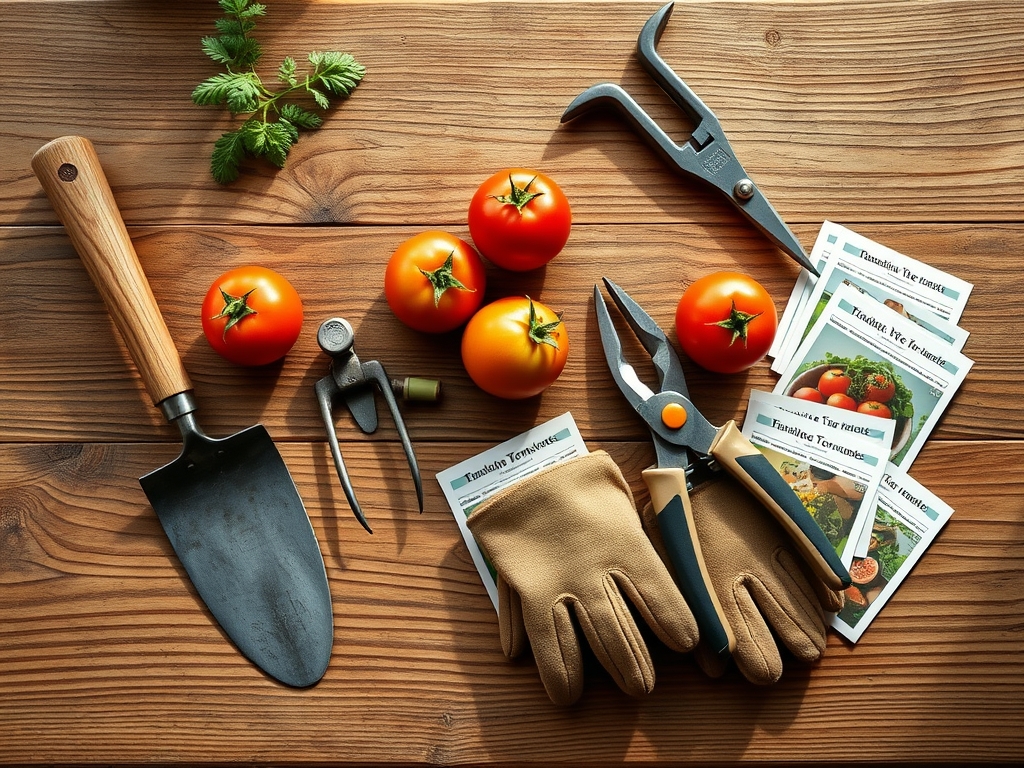
Materials:
The foundation of heirloom production is a friable loam with high porosity. You require a substrate with a Cation Exchange Capacity (CEC) above 15 to ensure the soil can retain and trade essential nutrients like potassium and magnesium. Target a soil pH between 6.2 and 6.8 to maximize nutrient bioavailability.
For the initial vegetative stage, utilize a fertilizer with an NPK ratio of 10-5-5. This promotes structural protein synthesis. As the plant transitions to flowering, switch to a 5-10-10 or 4-18-38 formula. High phosphorus levels support flower primordia development, while increased potassium regulates the osmotic pressure required for fruit expansion. You will also need a calcium-magnesium supplement to prevent physiological cell wall collapse in the fruit.
Timing:
Heirloom tomatoes are highly sensitive to thermal fluctuations. In USDA Hardiness Zones 3 through 6, seeds must be started indoors 6 to 8 weeks before the last predicted frost. In Zones 7 through 10, timing is dictated by the onset of extreme summer heat, which can cause pollen sterility when daytime temperatures exceed 90 degrees Fahrenheit.
The biological clock of the tomato is divided into the vegetative phase and the reproductive phase. The transition occurs when the plant reaches a specific leaf node count, typically between the 7th and 10th leaf. During this window, the plant shifts its energy from leaf production to the development of flower clusters. Soil temperatures must be a consistent 60 degrees Fahrenheit at a 4-inch depth before transplanting to avoid chilling injury, which stunts the development of the vascular system.
Phases:
Sowing
Place seeds 0.25 inches deep in a sterile, peat-based or coco-coir medium. Maintain a constant bottom heat of 75 to 80 degrees Fahrenheit using a germination mat. Once the hypocotyl emerges, provide 14 to 16 hours of high-intensity light to prevent "leggy" growth.
Pro-Tip: Use a mechanical fan to provide a gentle breeze over the seedlings. This physical stress triggers thigmomorphogenesis, the biological process where plants thicken their stems in response to tactile stimuli, strengthening the cellulose structure.
Transplanting
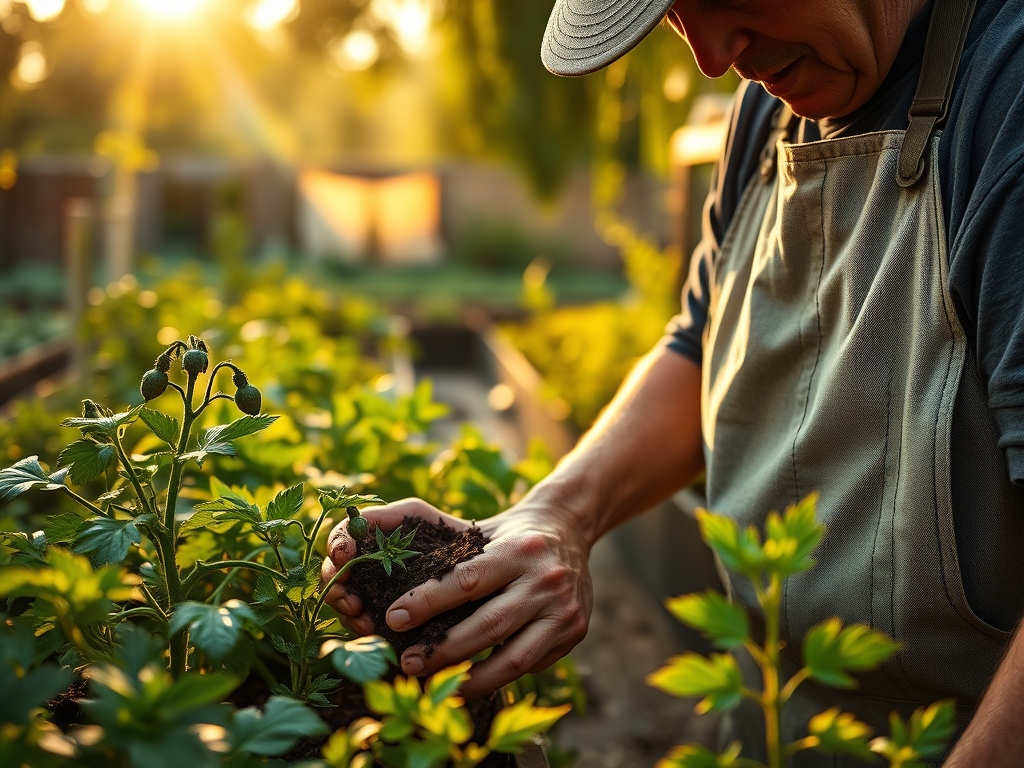
Before moving plants to the field, they must undergo "hardening off" for 7 to 10 days. When planting, bury the stem up to the first set of true leaves. Tomatoes have the unique ability to develop adventitious roots along the buried stem.
Pro-Tip: Inoculate the root ball with mycorrhizal fungi during transplanting. This symbiotic relationship extends the root system's reach, increasing the surface area for phosphorus uptake and improving drought resistance through enhanced hydraulic conductivity.
Establishing
During the first 21 days in the ground, focus on deep root penetration. Avoid shallow, frequent watering. Use a soil moisture meter to ensure the moisture levels remain consistent at the 6-inch mark.
Pro-Tip: Remove the first set of flower buds if the plant is less than 18 inches tall. This forces the plant to redirect auxins back to the root system and foliage, ensuring a more robust frame capable of supporting heavy heirloom fruits later in the season.
The Clinic:
Physiological disorders often mimic infectious diseases. Accurate diagnosis is critical for crop salvage.
Symptom: Blossom End Rot (dark, leathery patch on the bottom of the fruit).
Solution: This is a localized calcium deficiency often caused by inconsistent moisture rather than a lack of calcium in the soil. Maintain a steady transpiration stream to ensure calcium ions reach the distal end of the fruit.
Symptom: Catfacing (misshapen, scarred fruit at the blossom end).
Solution: This occurs during the flower bud stage when temperatures drop below 50 degrees Fahrenheit. Use row covers to maintain thermal stability during early bloom.
Symptom: Nitrogen Chlorosis (yellowing of older, lower leaves).
Fix-It: Apply a fast-acting, water-soluble fertilizer with a high nitrogen fraction. Check the soil pH; if it is below 6.0, nitrogen becomes chemically locked and unavailable to the plant.
Maintenance:
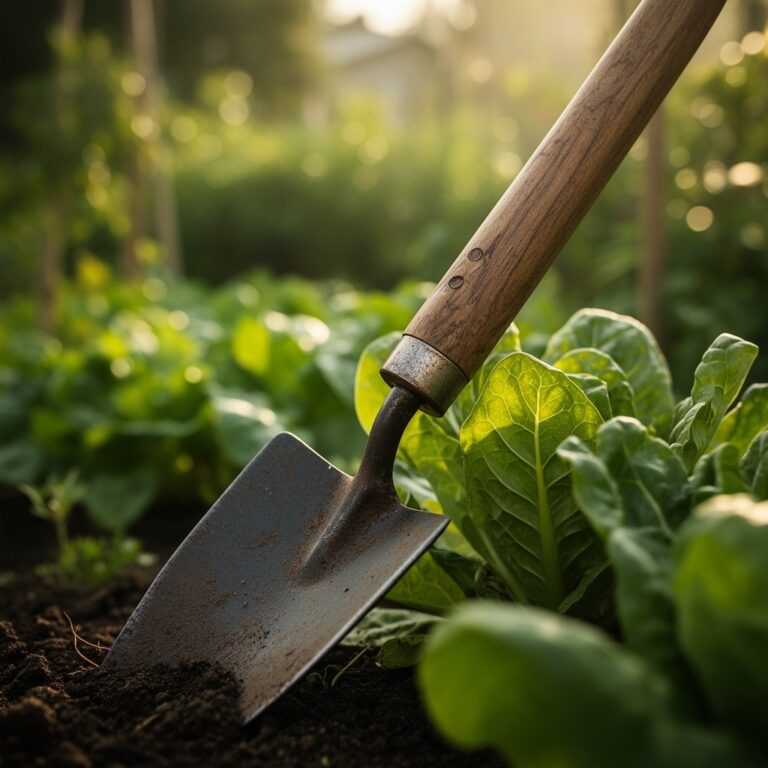
Precision is required for indeterminate heirloom varieties. Provide 1.5 inches of water per week delivered directly to the drip line to keep the foliage dry. Use a hori-hori knife to remove weeds without disturbing the shallow lateral roots of the tomato.
Pruning is mandatory for airflow. Use bypass pruners to remove "suckers"—the auxiliary shoots growing in the crotch between the main stem and the leaf petiole. Limit the plant to one or two main leaders. This concentrates the photosynthetic energy into fruit production rather than excessive vegetative biomass. Secure the vines to heavy-duty cages or a trellis system using soft garden twine to prevent stem abrasion.
The Yield:
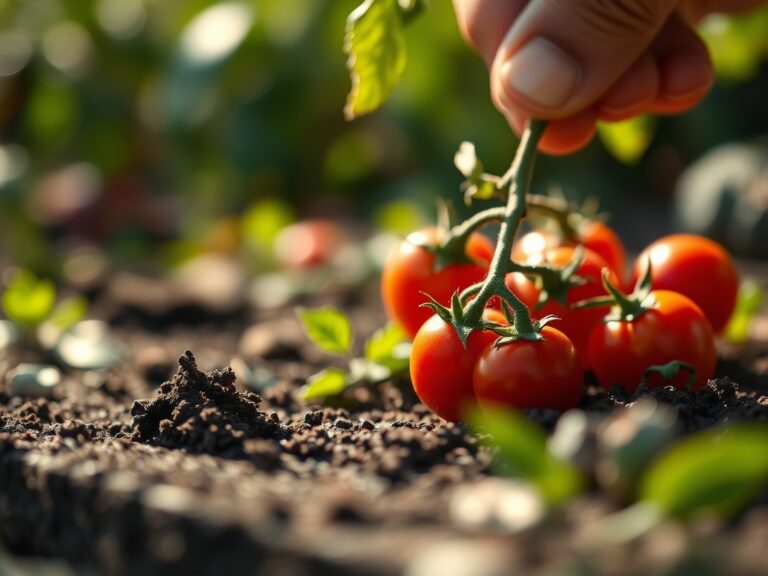
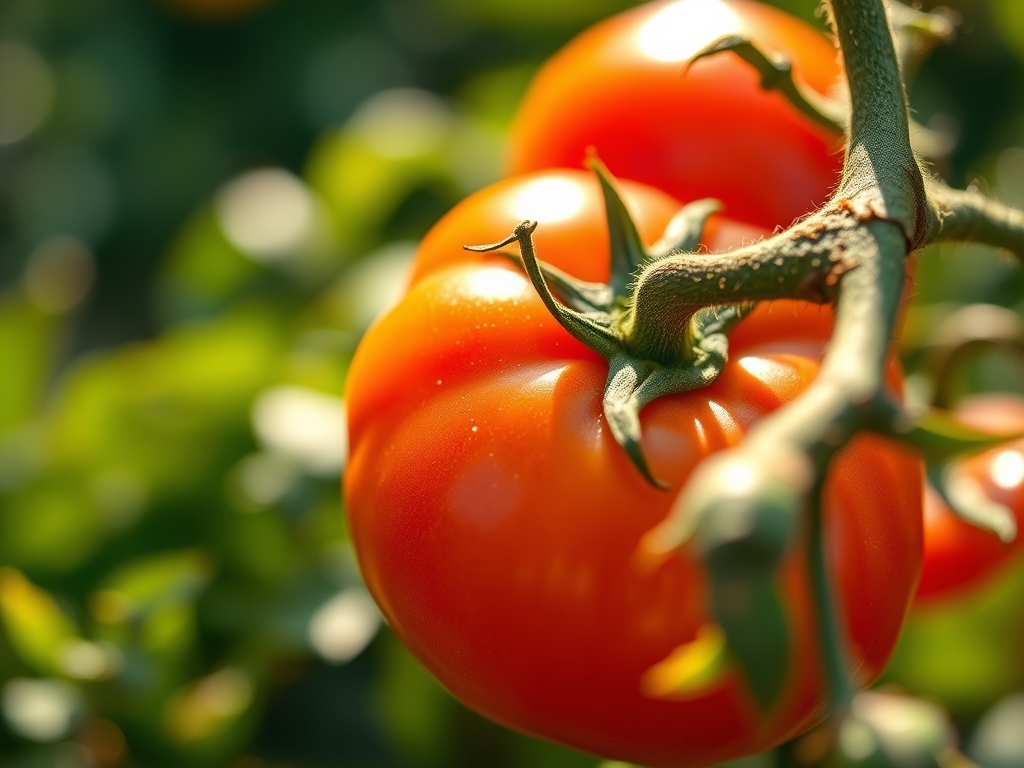
Harvesting heirlooms requires a delicate touch due to their thin skins. Pick the fruit when it reaches the breaker stage, which is when the color is about 50 percent transitioned. At this point, an abscission layer forms on the stem, and the fruit has reached its full physiological maturity.
Harvesting at the breaker stage prevents fruit cracking caused by sudden rain-induced osmotic pressure. Use your pruners to cut the stalk just above the calyx. Store the tomatoes at room temperature, approximately 65 to 70 degrees Fahrenheit, with the stem side down to prevent bruising the "shoulders" of the fruit. Never refrigerate heirlooms; temperatures below 55 degrees Fahrenheit degrade the volatile aromatic compounds and destroy the texture.
FAQ:
Why are my heirloom tomato leaves curling upward?
Physiological leaf roll is often a defense mechanism against high light intensity or drought. It reduces the surface area exposed to transpiration. If the growth remains green and vigorous, it is typically a temporary environmental response rather than a disease.
How do I stop heirloom tomatoes from cracking?
Cracking occurs when a dry spell is followed by heavy rain, causing the interior pulp to expand faster than the skin. Maintain consistent soil moisture levels using mulch and a drip irrigation system to regulate water uptake.
What is the best mulch for heirloom tomatoes?
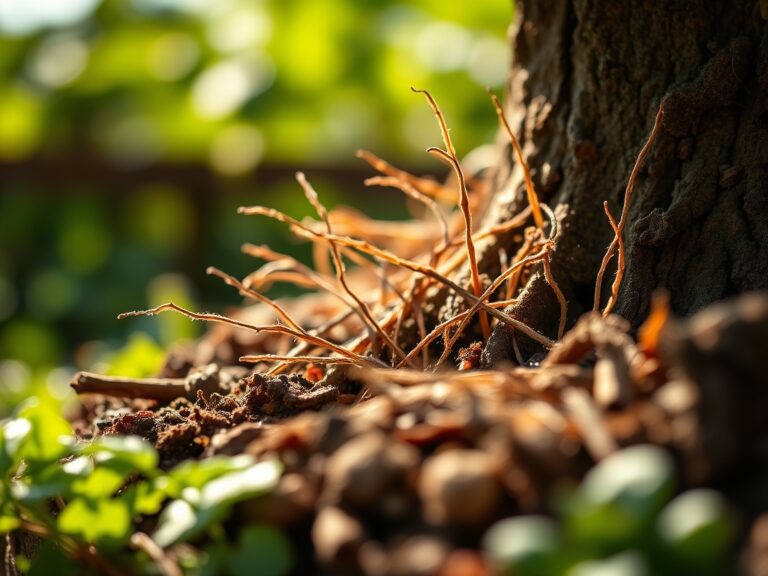
Use organic materials like straw or shredded bark. These insulate the soil, maintaining a stable temperature for the rhizosphere, and eventually break down to improve the soil organic matter (SOM) and cation exchange capacity.
Do heirloom tomatoes need special fertilizer?
They require higher levels of potassium and micronutrients like boron and zinc compared to hybrids. Avoid excessive nitrogen after fruit set, as this leads to "all bush and no fruit" by delaying the reproductive phase.