8 Steps to Prepare a Multi-Tier Weight-Balanced Plant Shelf
Learning how to prepare a multi-tier plant shelf transforms vertical space into a productive growing zone that supports diverse specimens from trailing pothos to compact succulents. The process requires engineering precision to distribute load across shelves, prevent collapse under saturated soil weight, and position plants according to their light requirements. This guide addresses structural integrity, soil science, and horticultural best practices to create a stable, long-term growing system.
Materials
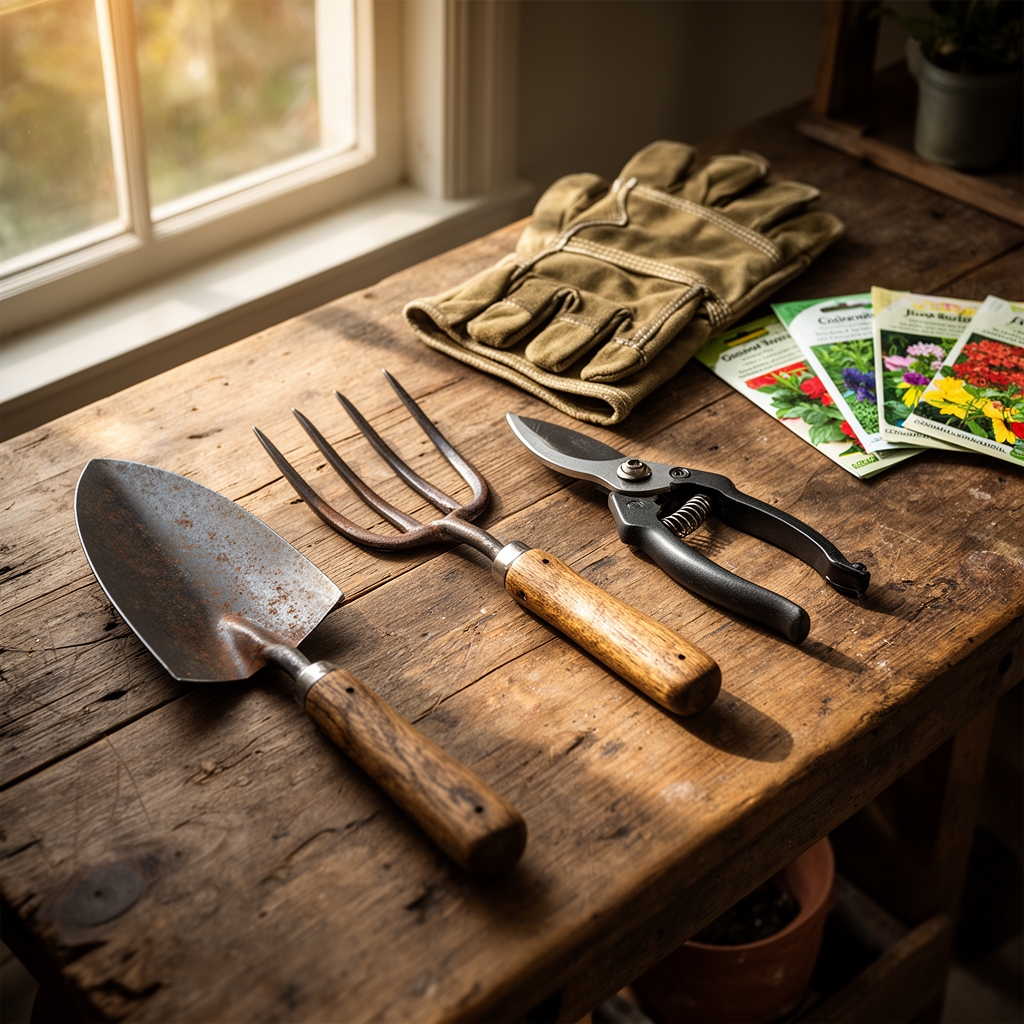
Structural Components
Select steel shelf brackets rated for 50 pounds per linear foot. Use 3/4-inch plywood with marine-grade finish or sealed hardwood planks. Anchor points must penetrate wall studs at minimum 2.5 inches using #10 wood screws or masonry anchors rated for 75 pounds each.
Growing Media by pH Range
For acid-loving specimens (azaleas, ferns), blend 2 parts peat moss, 1 part perlite, and 1 part composted pine bark. Target pH 5.0-5.5. Amend with sulfur at 1 tablespoon per gallon of mix if necessary.
For neutral-range tropicals (philodendron, calathea), use a 3-1-1 ratio of coco coir, perlite, and worm castings. This achieves pH 6.0-6.5 and provides balanced cation exchange capacity.
For cacti and succulents, combine 1 part potting soil, 1 part coarse sand, and 1 part pumice. Target pH 6.5-7.0 with minimal organic content to prevent moisture retention.
Fertilizer Specifications
Stock a 4-4-4 balanced organic granular for foliage plants. Keep liquid 3-1-2 formulation for blooming specimens. Use diluted fish emulsion (5-1-1) biweekly during active growth for nitrogen-hungry species like ficus.
Timing
Execute installation during dormant seasons when fewer plants require relocation. In USDA Hardiness Zones 7-9, work between November and February. Zones 4-6 should complete structural work before first frost (typically late September) or after final frost (mid-May).
Position the shelf unit 18 inches from south-facing windows for high-light species. East or west exposures work for intermediate light requirements. Reserve north-facing positions for shade-tolerant ferns and peperomias.
Plan shelf spacing at 14 to 18 inches vertically. This accommodates 6-inch standard pots with clearance for foliage growth without blocking light to lower tiers.
Phases
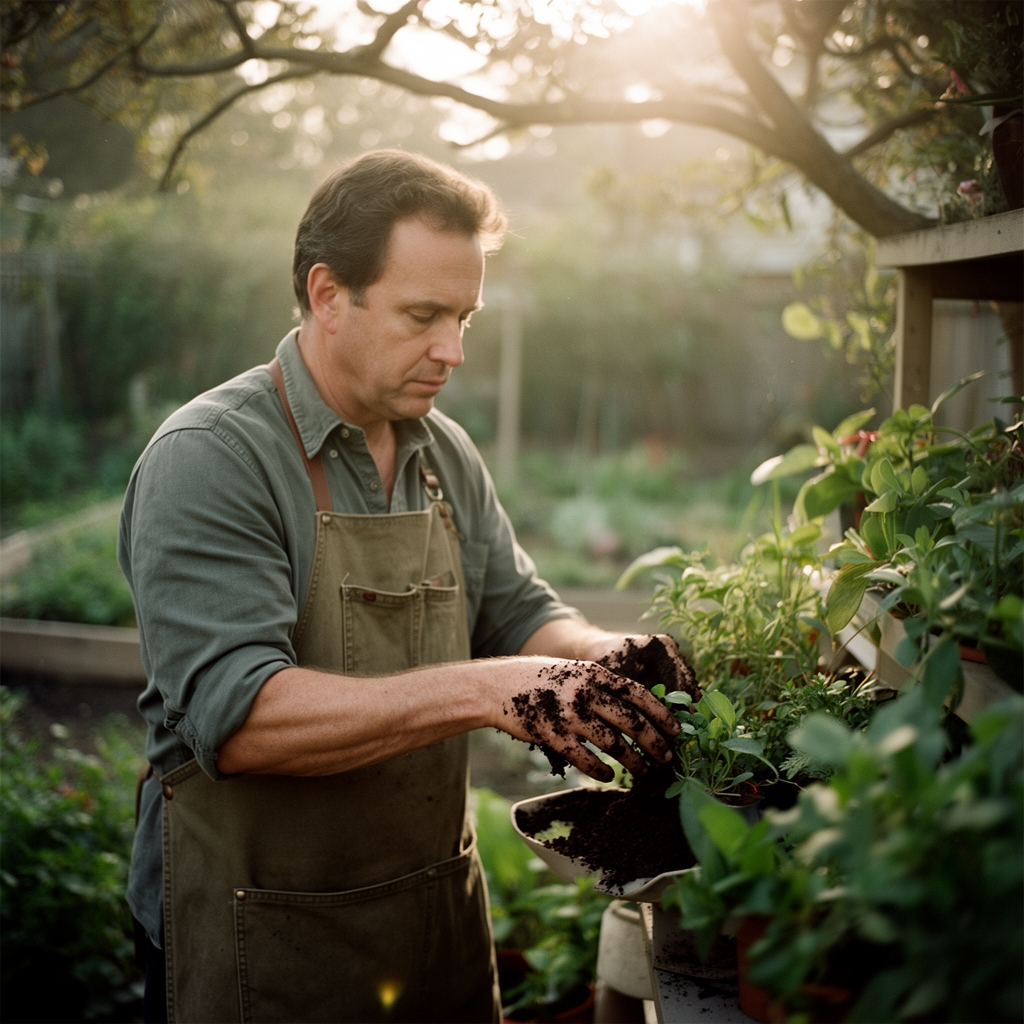
Sowing Phase
Mount top shelf first, checking level with a 24-inch spirit level accurate to 0.029 degrees. Drill pilot holes 1/8 inch smaller than screw diameter to prevent splitting. Distribute weight across three anchor points minimum per bracket.
Calculate load distribution before placement. A saturated 10-inch terracotta pot weighs approximately 15 pounds. Cluster heavy specimens near support brackets, never at cantilevered edges.
Pro-Tip: Apply thread-locking compound to bracket screws. Vibration from watering and handling loosens fasteners over 6-month periods.
Transplanting Phase
Arrange plants by descending light requirements. Place sun-loving succulents and herbs on top tiers where they receive unobstructed photosynthetically active radiation above 2000 foot-candles. Mid-tiers suit pothos and dracaena (200-500 foot-candles). Bottom shelves house low-light tolerate snake plants and ZZ plants.
Inoculate root zones with mycorrhizal fungi at transplant. Mix 1 teaspoon of glomus intraradices spores per gallon of soil. This symbiotic relationship increases phosphorus uptake by 300% and improves drought tolerance.
Pro-Tip: Trim circling roots at 45-degree angles before potting. This encourages radial root growth and prevents girdling that restricts auxin distribution to canopy.
Establishing Phase
Monitor shelf deflection weekly for first month. Any bow exceeding 1/4 inch over a 36-inch span indicates insufficient support. Add center bracket or redistribute weight immediately.
Rotate pots 90 degrees weekly to ensure even phototropic growth. Plants tilting toward light sources develop asymmetric canopies and uneven root development.
Install drip trays with 1-inch lips under all containers. Calculate 20% pot volume as minimum tray capacity to contain overflow during thorough watering cycles.
Pro-Tip: Place humidity trays (gravel-filled saucers with standing water) on lower shelves. Evaporation rises through tiers, increasing relative humidity by 15-20% for tropical specimens without direct water contact.
Troubleshooting
Symptom: Shelf sag or bowing under load.
Solution: Redistribute weight toward wall anchors. Add vertical support post at shelf center using adjustable closet pole. Verify anchor penetration depth with stud finder or probe.
Symptom: Lower-tier plants etiolating with pale, stretched stems.
Solution: Install full-spectrum LED grow strips (5000-6500K color temperature) underneath each shelf. Position 6 inches above foliage, operating 12-14 hours daily.
Symptom: Fungus gnats emerging from soil surface.
Solution: Top-dress all pots with 1/2 inch of horticultural sand. Allow top 2 inches of soil to dry between waterings. Apply Bacillus thuringiensis israelensis (BTI) drench at 1 tablespoon per gallon monthly.
Symptom: Salt crust accumulating on pot rims and soil surface.
Solution: Leach containers quarterly by flushing with distilled water at 2x pot volume. This removes excess fertilizer salts that elevate electrical conductivity above 2.0 mS/cm.
Symptom: Wood shelves warping from moisture exposure.
Solution: Apply marine-grade polyurethane in 3 coats. Sand between applications with 220-grit paper. Maintain room humidity below 60% using dehumidifier during wet seasons.
Maintenance
Water when soil reaches field capacity at 2-inch depth, tested with moisture meter or finger probe. Tropical foliage requires 1 inch of water weekly during active growth. Succulents need thorough soaking every 14 days, allowing complete drying between irrigations.
Feed actively growing plants every 14 days at half-strength manufacturer recommendation. Reduce to monthly applications during winter dormancy when growth rates decrease 70%.
Prune dead foliage at nodes using sterilized bypass pruners. Remove yellowing leaves promptly to prevent fungal colonization and nutrient reallocation from healthy tissue.
Dust leaves monthly with damp microfiber cloth. Accumulated particulate matter reduces photosynthetic efficiency by blocking stomata and reducing light transmission through leaf surfaces.
FAQ
How much weight can a properly installed shelf support?
A three-bracket system anchored into studs safely holds 120-150 pounds per shelf. Distribute weight evenly and avoid cantilever loading beyond 6 inches from brackets.
What spacing prevents lower plants from light starvation?
Maintain 14-18 inches vertical clearance between shelves. Use narrow containers (6-inch diameter maximum) on upper tiers to minimize shadow projection.
Should I use grow lights on multi-tier systems?
Yes, for shelves deeper than 12 inches from windows or when supporting more than two tiers. LED strips providing 200-400 foot-candles compensate for reduced natural light penetration.
How do I prevent water damage to walls and floors?
Install waterproof shelf liners under all drip trays. Use sealed wood or powder-coated metal shelving. Check bracket seal against wall quarterly and recaulk gaps exceeding 1/16 inch.
Can I mix plant types on the same shelf system?
Group species by similar water and humidity requirements. Separate cacti from ferns by at least one shelf tier to prevent misting overspray from increasing soil moisture in drought-adapted containers.