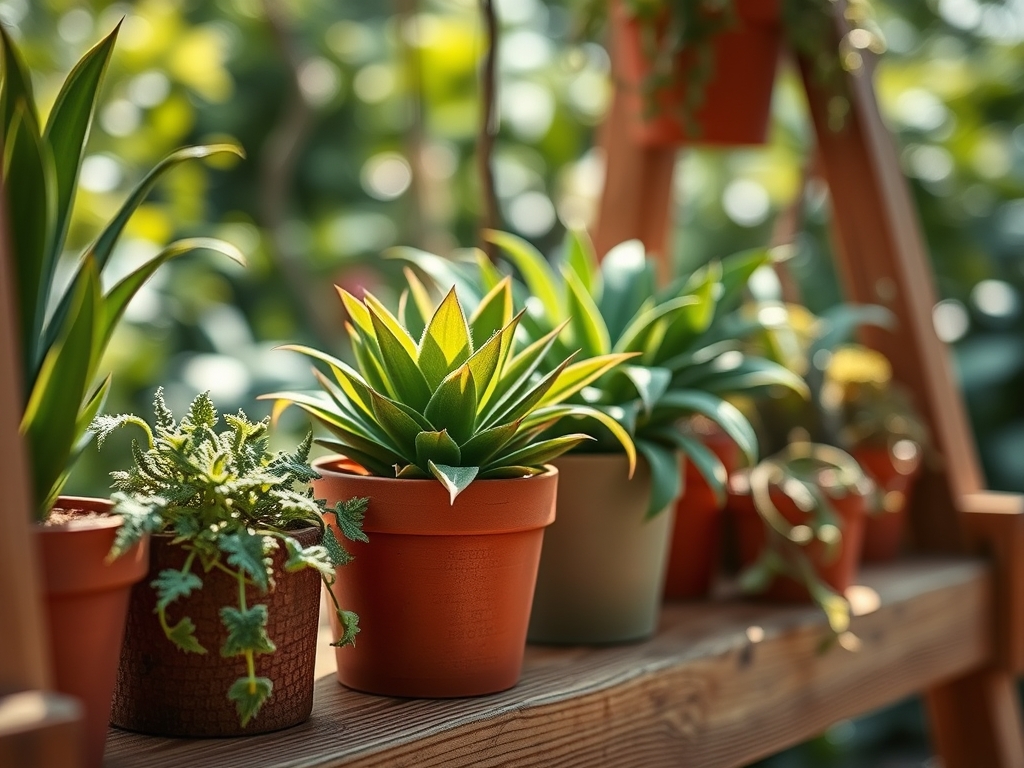
8 Collection Steps to Prepare a Tropical Foliage Plant Shelf
The scent of damp, decomposed pine bark and the tactile resistance of a leaf with high turgor pressure define a successful indoor ecosystem. When you learn how to prepare a plant shelf for tropicals, you are not merely arranging furniture; you are engineering a microclimate. These equatorial species require precise atmospheric management to prevent leaf senescence. Success depends on calculating light intensity in foot-candles and maintaining a relative humidity above 60 percent.
Materials:
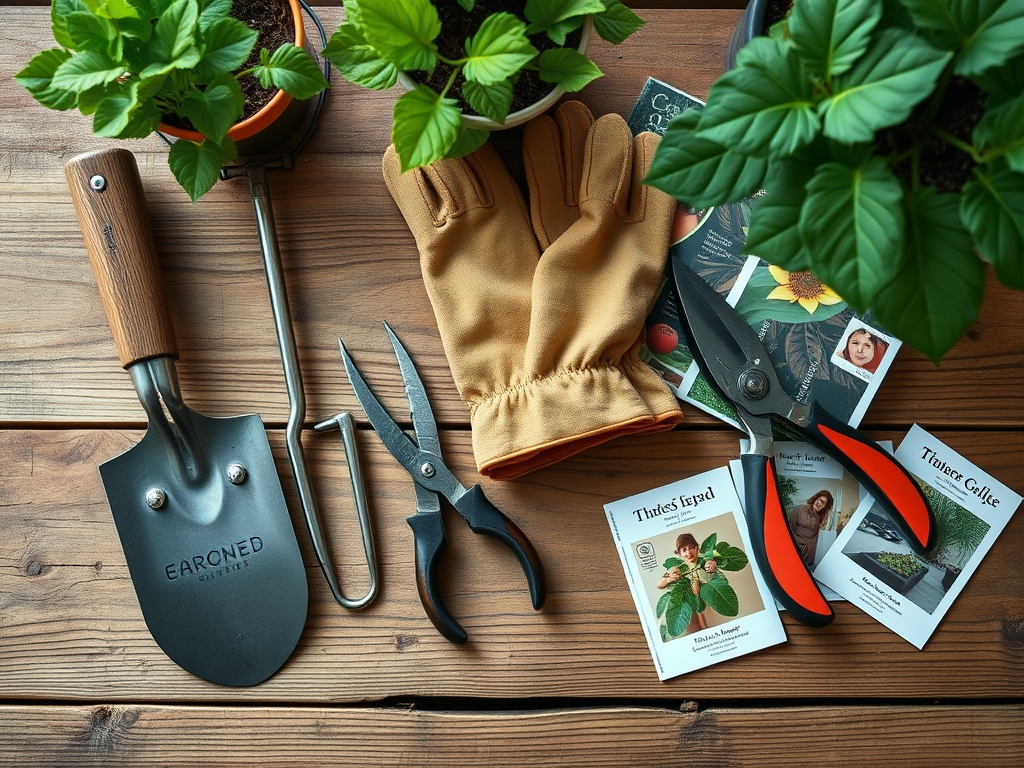
The foundation of a tropical shelf begins with the substrate. Avoid standard potting soils that lack adequate Cation Exchange Capacity (CEC). Instead, construct a medium with a pH between 5.8 and 6.5. This acidity range ensures that micronutrients like iron and manganese remain bioavailable. The physical texture must be a friable loam, achieved by mixing 40 percent orchid bark, 30 percent coco coir, and 20 percent perlite.
Fertilization requires a balanced NPK ratio of 10-10-10 for general maintenance, or a 3-1-2 ratio to prioritize foliage expansion. Nitrogen (N) drives the production of chlorophyll; Phosphorus (P) supports root architecture; Potassium (K) regulates stomatal opening and water retention. Ensure your shelf can support the weight of saturated terracotta, which can exceed 15 pounds per square foot.
Timing:
Tropical plants are generally native to USDA Hardiness Zones 10 through 12. If you reside in Zones 1 through 9, your shelf must be fully operational before the first frost date, typically when outdoor overnight temperatures drop below 55 degrees Fahrenheit. Tropicals enter a period of slowed metabolic activity during winter months due to the reduced photoperiod.
The biological clock of a tropical plant is governed by light duration. As the day length shortens, the plant shifts from active vegetative growth to a maintenance phase. To prevent dormancy-induced leaf drop, initiate your shelf setup in late summer. This allows the root system to establish within the rhizosphere of its new container before the winter solstice.
Phases:
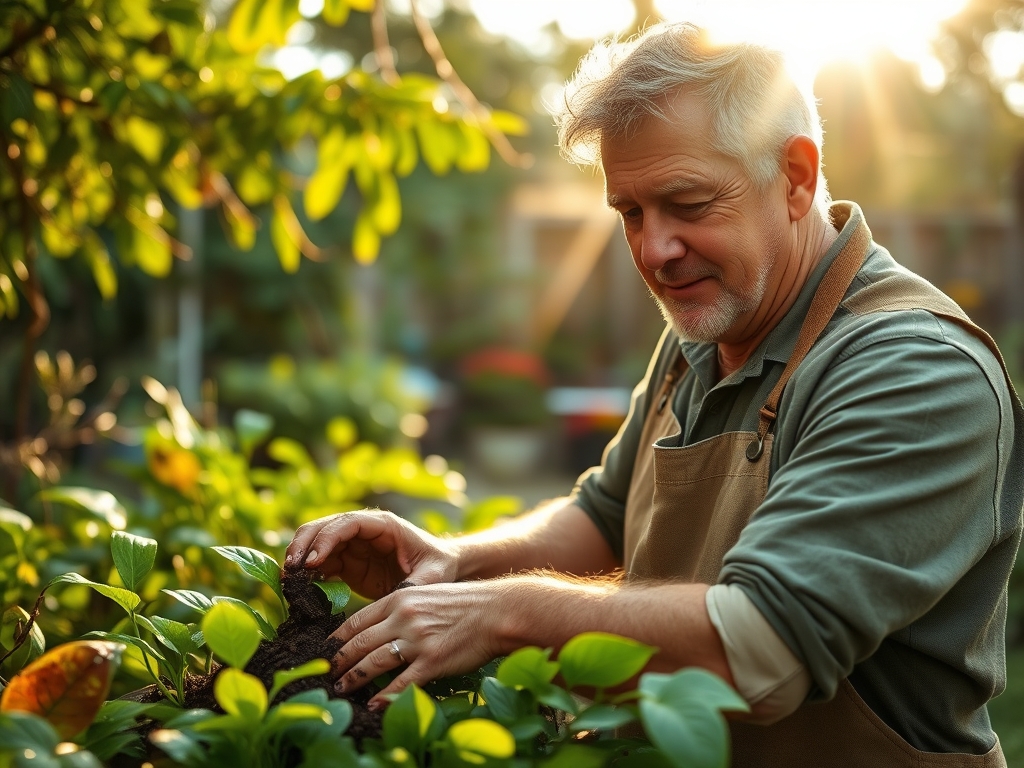
Sowing and Propagation
When starting tropicals from seed or cuttings, maintain a constant basal heat of 75 degrees Fahrenheit. Use a heat mat to stimulate cellular division in the meristematic tissue. For cuttings, ensure at least one node is submerged in the medium to trigger adventitious root growth.
Pro-Tip: Dip cuttings in auxin-based rooting hormone. This works because auxins suppress lateral bud growth while stimulating the pericycle cells to differentiate into root tissue, accelerating establishment.
Transplanting
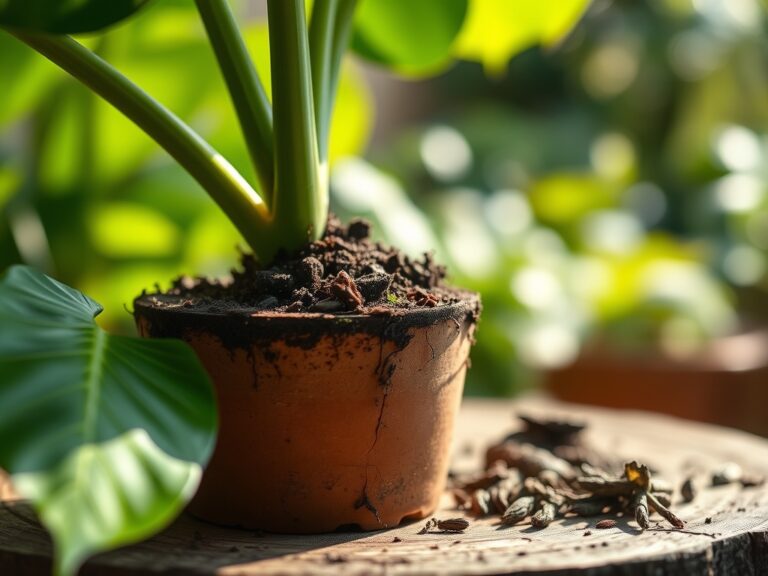
Move specimens into containers only one size larger than their current root ball. Excessive soil volume leads to "perched water tables," where the bottom of the pot remains anaerobic, causing root rot. Use a hori-hori knife to gently loosen bound roots before placement.
Pro-Tip: Inoculate the soil with mycorrhizal fungi during transplanting. This creates a symbiotic relationship where the fungi extend the root's reach for phosphorus in exchange for plant sugars, significantly increasing drought resistance.
Establishing
Position the shelf to maximize indirect solar radiation. Use a light meter to target 1,500 to 2,500 foot-candles for most Araceae species. Rotate the pots 90 degrees every week to ensure even distribution of light across the canopy.
Pro-Tip: Rotation prevents extreme phototropism. This biological response occurs because auxins migrate to the shaded side of the stem, causing cells there to elongate and forcing the plant to lean toward the light source.
The Clinic:
Physiological disorders often mimic pathogen attacks but are usually environmental.
- Symptom: Interveinal chlorosis (yellowing between green veins).
Solution: This indicates a Magnesium deficiency. Apply a solution of 1 tablespoon of Epsom salts per gallon of water to restore chlorophyll function. - Symptom: Leaf tip burn or necrosis.
Solution: This is often caused by "salt "accumulation" from tap water. Flush the substrate with distilled water until it runs clear from the drainage holes. - Symptom: Edema (bumps or blisters on the underside of leaves).
Solution: This occurs when the roots absorb water faster than the leaves can transpire it. Increase airflow with a small fan and reduce watering frequency.
Fix-It: For general Nitrogen chlorosis (entire leaf turning pale yellow), apply a high-nitrogen liquid fertilizer at half-strength. Nitrogen is a mobile nutrient; the plant will pull it from older leaves to support new growth if the soil is depleted.
Maintenance:
Consistency is the primary driver of tropical health. Use a soil moisture meter daily. Do not water on a schedule; instead, provide irrigation when the top 2 inches of soil feel dry. Most tropicals require approximately 1 to 1.5 inches of water per week, delivered directly to the soil surface to avoid wetting the foliage, which can encourage fungal spores.
Pruning should be performed with sterilized bypass pruners. Remove any yellowing or necrotic tissue at the base of the petiole. This prevents the plant from wasting energy on senescing leaves and improves air circulation within the shelf environment. Monitor the humidity levels; if they drop below 50 percent, use a pebble tray or a dedicated humidifier to prevent the stomata from closing and halting photosynthesis.
The Yield:
While most tropical shelf plants are grown for foliage, species like Hoya or Anthurium produce distinct inflorescences. To maximize bloom duration, increase Phosphorus levels slightly when buds appear. Once a flower begins to fade, prune the spent stalk to prevent the plant from diverting energy into seed production. This preserves the "day-one" aesthetic and redirects sugars back to leaf development.
FAQ:
How much light do tropical shelf plants need?
Most tropicals require 1,000 to 2,500 foot-candles of indirect light. Use a light meter to ensure levels do not drop below 500 foot-candles, which triggers leaf drop, or exceed 5,000 foot-candles, which causes scorched foliage and cellular damage.
What is the best humidity for a plant shelf?
Maintain relative humidity between 60 and 80 percent. Tropical species evolved in high-moisture environments; low humidity increases the transpiration rate beyond the roots' capacity to supply water, leading to crispy leaf margins and stunted growth cycles.
How often should I fertilize indoor tropicals?
Apply a liquid 10-10-10 fertilizer every 4 to 6 weeks during the active growing season. Cease fertilization during winter months when the photoperiod shortens, as the plant's metabolic rate drops and excess salts can damage the sensitive root hairs.
Why are my plant's leaves turning yellow?
Yellowing, or chlorosis, usually indicates overwatering or nutrient deficiency. Check the root zone for mushy, brown tissue signifying rot. If roots are healthy, the plant likely lacks Nitrogen or Magnesium, requiring a targeted fertilizer application to restore vigor.