7 Steps to Prepare a Chainsaw for Spring Pruning
Spring pruning begins with sharp chains and clean oil. Learning how to prepare a chainsaw for spring pruning prevents kickback injuries, reduces bar wear, and ensures clean cuts that heal faster on dormant wood. A poorly maintained saw tears cambium tissue and invites fungal colonization at wound sites. The smell of fresh bar oil, the metallic click of a properly tensioned chain, and the smooth idle of a tuned carburetor signal readiness for the dormant season's final cuts.
Materials
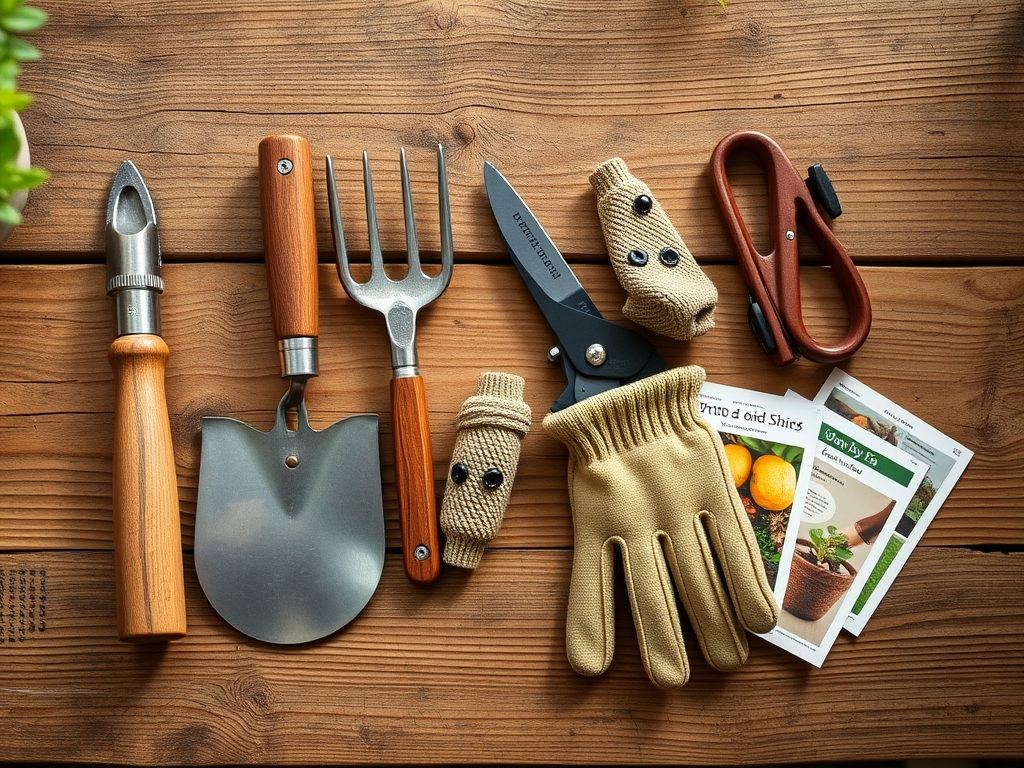
Gather these supplies before beginning maintenance:
Cleaning and Lubrication (pH-neutral formulations prevent corrosion):
- Bar and chain oil (ISO VG 150 viscosity for temperatures above 40°F)
- Degreaser (pH 7.0–8.0, non-petroleum based)
- Wire brush (brass bristles, 0.008-inch diameter)
- Compressed air canister or compressor (minimum 90 PSI)
Sharpening Tools (precision to 0.025-inch tolerance):
- Round file matching chain pitch (5/32-inch for 0.325-inch chain)
- Depth gauge tool (0.025-inch setting for softwood, 0.020-inch for hardwood)
- Flat file (6-inch, bastard cut)
- File guide with 30-degree angle markers
Replacement Components:
- Spark plug (heat range 6 for two-stroke engines)
- Air filter (15-micron filtration)
- Fuel filter (microglass, 10-micron rating)
- Two-stroke oil (JASO-FD certified, 50:1 ratio)
Safety Equipment:
- Cut-resistant gloves (ANSI/ISEA 105 level A4 minimum)
- Safety glasses (ANSI Z87.1+ rated)
- Hearing protection (NRR 25 decibels or higher)
Timing
Spring chainsaw preparation aligns with pruning windows across hardiness zones. In Zone 5, begin maintenance in late February when daytime temperatures remain below 50°F but above freezing. Zone 6 gardeners should complete preparation by mid-February. Zone 7 requires January maintenance. Finish all tuning before buds swell and auxin distribution accelerates. Pruning during active sap flow increases desiccation stress and creates entry points for Nectria canker and Cytospora species. In Zones 8 and warmer, prepare equipment in December for late-winter pruning of stone fruits before bacterial canker spreads through rising xylem flow.
Phases

Phase One: Deep Cleaning and Inspection
Remove the bar and chain. Scrape carbon deposits from the bar groove using a groove scraper or bent wire. Carbon buildup reduces oil flow by 40 percent and accelerates wear on drive links. Clean the oil ports with compressed air. Inspect the bar rails for burrs. File burrs smooth with a flat file, maintaining parallel edges. Check the sprocket nose bearing for roughness by spinning it manually. Gritty resistance indicates bearing failure.
Blow sawdust from the clutch cover, air filter housing, and cooling fins. Accumulated debris restricts airflow and raises cylinder head temperature by 30–50°F. Remove the spark arrestor screen and soak it in degreaser for 15 minutes. Scrub with the wire brush and rinse.
Pro-Tip: Apply a thin coat of bar oil to the chain before storage overnight. This displaces moisture and prevents surface oxidation on cutter edges, maintaining sharpness for 6–8 weeks longer than uncoated chains.
Phase Two: Sharpening and Chain Maintenance
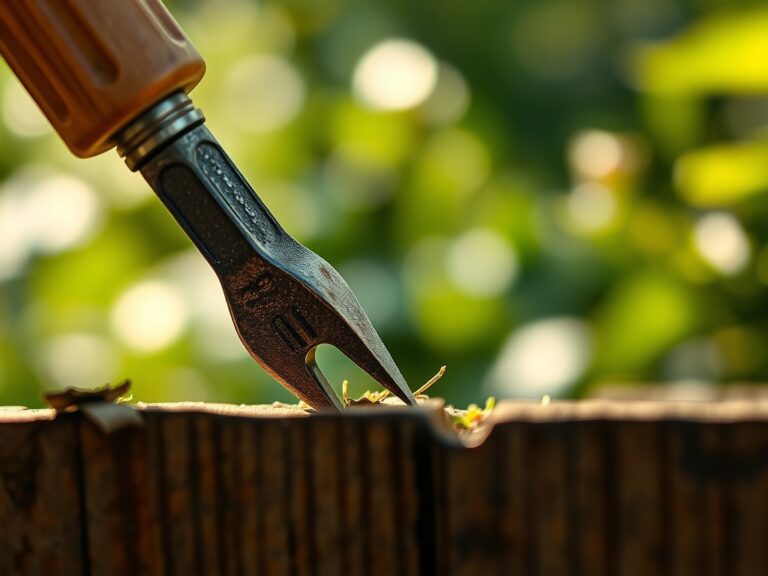
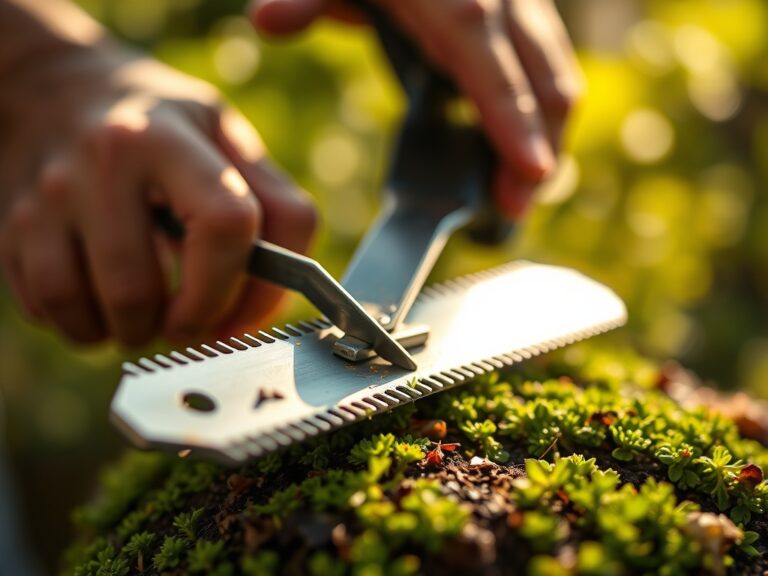
Mount the bar in a vise or stabilize the saw. Locate the shortest cutter by measuring from the depth gauge to the cutter tip. This cutter becomes your reference length. File all cutters to match it. Position the round file at 30 degrees to the bar, resting it in the cutter gullet. File with forward strokes only, lifting on the return. Apply three to five strokes per cutter until a thin wire edge forms on the top plate.
After sharpening all cutters, check depth gauges. Place the depth gauge tool over each cutter. If the gauge protrudes above the tool, file it flush using the flat file. Depth gauges set too low cause aggressive cutting and increase kickback risk. Gauges set too high produce fine sawdust instead of chips, indicating insufficient bite.
Tension the chain until it snaps back against the bar when pulled from the bottom center. Over-tensioning stresses the drive links and accelerates bar groove wear. Under-tensioning allows the chain to derail during operation.
Pro-Tip: File every fourth rivet link with a single stroke of the flat file to create micro-bevels that reduce friction in the bar groove. This modification increases cutting speed by 8–12 percent in hardwoods with specific gravity above 0.6.
Phase Three: Engine Tuning and Fuel System Service
Replace the spark plug annually regardless of appearance. Carbon accumulation on electrodes causes misfiring that reduces power output by 15 percent. Gap the plug to 0.020 inches using a feeler gauge.
Remove the air filter. Tap it against a hard surface to dislodge debris. Wash foam filters in warm water with dish soap. Rinse thoroughly and allow complete drying for 24 hours. Replace pleated paper filters annually. A clogged filter leans the fuel mixture, raising combustion temperature and risking piston seizure.
Drain old fuel from the tank. Gasoline oxidizes within 30 days, forming gum deposits that clog carburetor jets. Mix fresh fuel at 50:1 ratio using ethanol-free gasoline with 89 octane minimum. Two-stroke oil with JASO-FD certification ensures complete combustion and minimizes exhaust port carbon.
Replace the fuel filter by extracting it through the tank opening with a bent wire. Install the new filter and push it into the tank corner where it cannot obstruct the fuel line opening.
Pro-Tip: Add 2 ounces of fuel stabilizer per gallon to extend storage life to 180 days. Stabilizers contain antioxidants that prevent gum formation and corrosion inhibitors that protect internal metal surfaces from ethanol's hygroscopic effects.
Troubleshooting
Symptom: Chain binds or smokes during cutting
Solution: Insufficient lubrication from clogged oil ports or depleted bar oil reservoir. Clean oil delivery holes with 0.035-inch wire. Verify oil pump operation by holding the bar tip near clean cardboard at full throttle. A visible oil streak should appear within 3 seconds.
Symptom: Engine starts then dies after 10 seconds
Solution: Fuel starvation caused by collapsed fuel line or blocked carburetor screen. Replace fuel lines showing cracks, flat spots, or reduced pliability. Remove carburetor inlet screen and clean with carburetor cleaner spray.
Symptom: Excessive vibration during operation
Solution: Loose bar nuts, damaged anti-vibration mounts, or unbalanced chain from uneven sharpening. Torque bar nuts to 15 foot-pounds. Inspect rubber isolators for compression or tearing. Measure all cutters with calipers to ensure length variance remains below 0.010 inches.
Symptom: Cuts curve left or right instead of straight
Solution: Unequal cutter lengths or inconsistent filing angles on left versus right cutters. Re-sharpen all cutters to match the shortest tooth. Use a file guide to maintain 30-degree top plate angle uniformly across the chain.
Symptom: Chain derails repeatedly during cutting
Solution: Worn bar groove exceeding 0.005-inch side-to-side play, damaged drive links, or improper tension. Measure groove width with calipers. Replace bars when wear exceeds manufacturer specifications. Inspect drive links for cracks or bent tangs.
Maintenance
Run the saw for 5 minutes before the first pruning session. This circulates fresh oil through the system and confirms proper idle adjustment. The chain should remain stationary at idle. If it creeps, reduce idle speed using the throttle stop screw, turning counterclockwise in quarter-turn increments.
Check chain tension after the first 10 minutes of cutting when components reach operating temperature. Metal expansion loosens tension by approximately 15 percent. Retighten until moderate resistance occurs when pulling the chain around the bar by hand.
Apply 1 ounce of bar oil to the bar groove after every 30 minutes of cutting in dry wood. Chainsaw manufacturers design automatic oilers for green wood with 40–60 percent moisture content. Dormant pruning involves wood below 30 percent moisture, which generates more friction and heat.
Clean the bar groove daily during extended pruning operations. Remove the chain and flush the groove with compressed air. This maintenance prevents packed sawdust from restricting oil flow to the chain's drive links.
Sharpen the chain after every 4 hours of cutting or when chips transition from square-cornered to powder-fine. Dull chains require 50 percent more engine power to achieve the same cutting speed, accelerating wear on the clutch and crankshaft bearings.
FAQ
How often should I sharpen my chainsaw during spring pruning?
Sharpen after 4 hours of cutting hardwoods or when the saw produces fine dust instead of chips. Dormant wood contains 30 percent less moisture than growing-season wood, increasing friction and dulling edges 60 percent faster.
What bar oil viscosity works best in spring temperatures?
Use ISO VG 150 bar oil when temperatures exceed 40°F. This viscosity provides adequate film strength without excessive drag. Below 40°F, switch to ISO VG 100 to maintain flow through the oiler pump.
Can I use old gasoline if it smells normal?
No. Gasoline begins oxidizing within 30 days regardless of odor. Oxidized fuel forms varnish deposits in carburetor jets that restrict fuel flow and cause lean running conditions, potentially seizing the piston.
Why does my chain dull quickly when pruning fruit trees?
Fruit tree bark contains higher silica concentrations than forest species. Silica crystals abrade cutting edges. Reduce depth gauge settings to 0.020 inches to minimize contact between cutters and bark during limb removal cuts.
Should I adjust carburetor settings for spring pruning?
Yes, if your elevation or temperature differs significantly from summer conditions. Increase high-speed mixture screw richness by one-eighth turn for every 2,000 feet of elevation gain or 20-degree temperature drop to prevent lean seizure.