7 Steps to Build a Gabion Wall for Modern Hardscaping
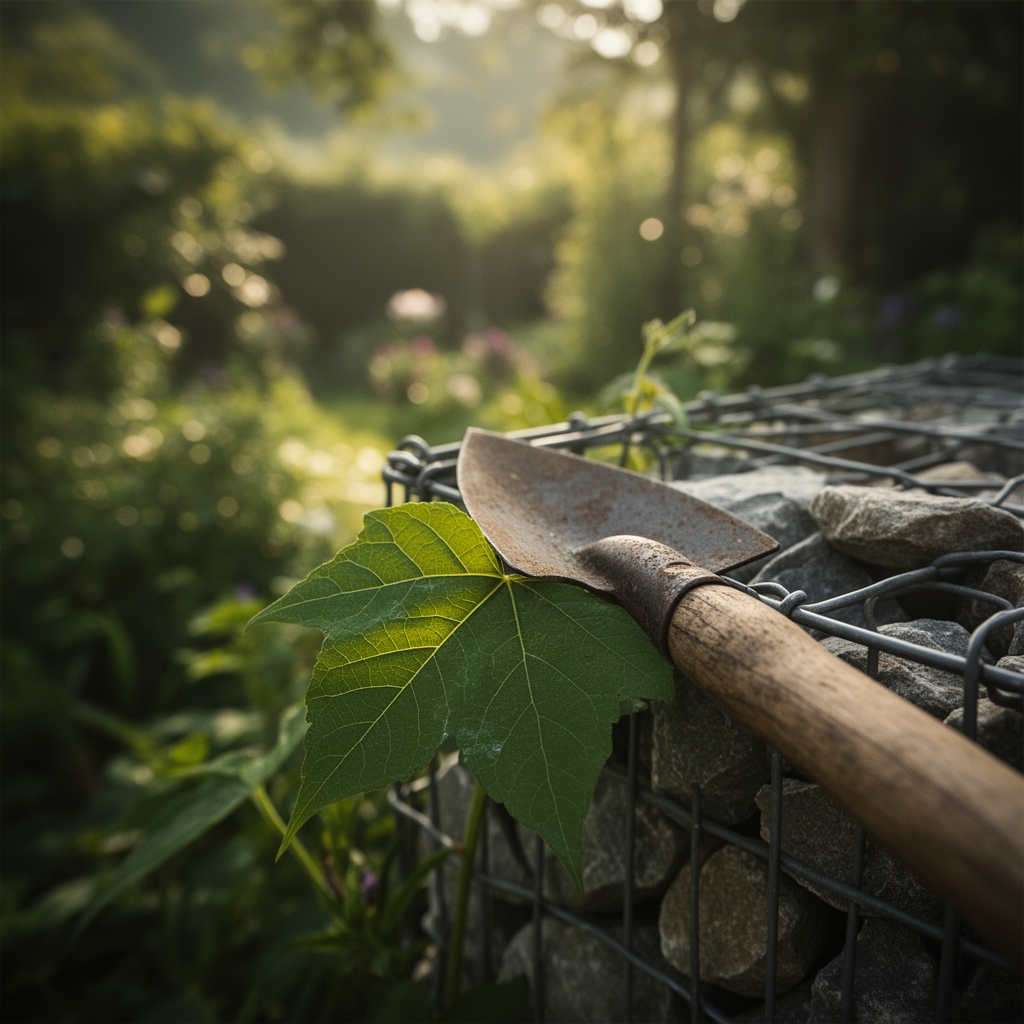
The sound of stone against wire carries across a garden site where modern geometry meets ancient building technique. Gabion walls, wire mesh cages filled with rock or aggregate, have transitioned from military fortification to sophisticated landscape architecture. Understanding the steps for building a gabion wall for the garden transforms sloped terrain into terraced growing zones while managing drainage and soil retention. These structures create microclimates along their faces, offering warm pockets for Mediterranean herbs on south-facing sides and cool refuges for shade-preferring ferns on northern exposures. The thermal mass of stone moderates temperature swings by 8-12°F compared to open ground.
Materials
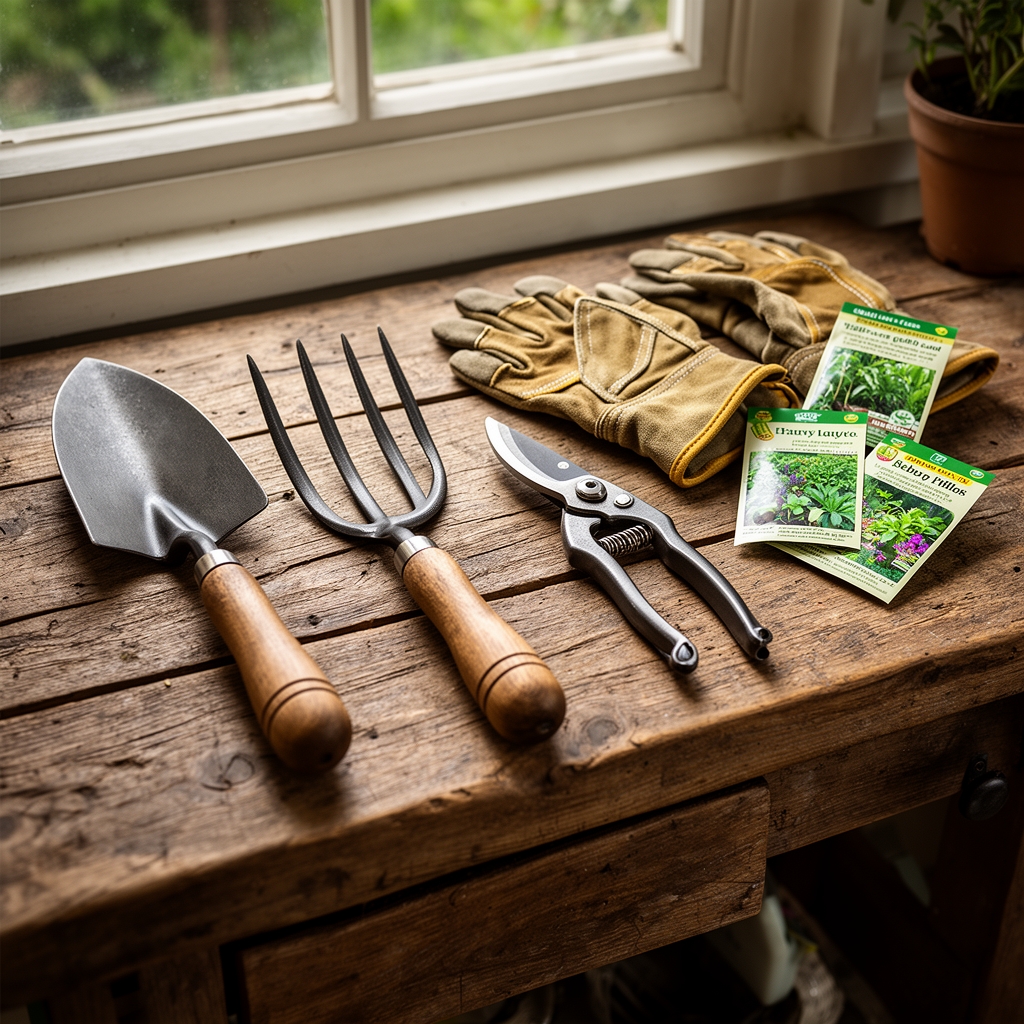
Galvanized wire mesh cages form the skeleton. Select 3mm diameter wire with 2-inch mesh openings for walls under 3 feet, 4mm wire with 3-inch mesh for taller structures. Heavy-gauge steel maintains structural integrity under lateral soil pressure measuring 30-60 pounds per square foot.
Fill stone should measure 4-6 inches in diameter. River rock, granite cobbles, or crushed limestone each contribute distinct pH influences. Limestone raises adjacent soil pH by 0.3-0.8 units through calcium carbonate leaching, beneficial for plants requiring neutral to alkaline conditions. Granite and river rock remain pH-neutral.
Geotextile filter fabric rated at 70-85 grams per square meter prevents soil migration while maintaining water permeability at 120 gallons per square foot per day. This fabric preserves soil structure and cation exchange capacity behind the wall.
Backfill soil amended with composted bark at a 3:1 ratio provides drainage and root penetration zones. Target NPK values of 5-5-5 for establishing ornamentals, 3-4-4 for native plantings. Incorporate mycorrhizal fungi inoculant at 2 ounces per cubic yard to accelerate root colonization rates from 90 days to 30 days.
Timing
Execute foundation work in Zones 5-7 between April 15 and May 30, after final frost dates when soil temperature reaches 50°F at 6-inch depth. Southern zones (8-10) allow year-round construction, though avoid periods exceeding 95°F when manual labor efficiency drops 30%.
Northern zones (3-4) require completion by September 1 to permit settling before freeze-thaw cycles begin. Foundation excavation in frozen ground requires equipment rated for 3,000 PSI penetration force.
Install plantings in gabion pockets during the dormant season (November-March for deciduous species, February-April for evergreens). Root establishment proceeds 40% faster when auxin distribution is not compromised by active growth.
Phases
Foundation Excavation
Trench depth must reach 6 inches below grade for walls under 2 feet, 12 inches for walls reaching 4 feet. Width should equal one-third of total wall height. Compact crushed stone base in 2-inch lifts to 95% maximum density using a plate compactor delivering 5,000 pounds force.
Pro-Tip: Slope the base 2 degrees toward the bank to counteract forward settlement. This angle compensates for soil consolidation averaging 0.5 inches per vertical foot over the first year.
Cage Assembly and Filling
Position cages level on the prepared base. Connect adjacent units with galvanized wire ties every 6 inches vertically and 12 inches horizontally. Fill cages in 12-inch lifts, inserting internal bracing wires every 18 inches to prevent bulging under stone weight.
Place aesthetic face stones by hand, orienting flat surfaces outward. Fill interior with smaller aggregate. This dual-size approach reduces void space from 35% to 18%, improving structural stability.
Pro-Tip: Insert soil-filled planting pockets during the fill process by positioning landscape fabric tubes measuring 8 inches diameter. These create rooting zones for trailing plants like creeping thyme (Thymus serpyllum) or basket-of-gold (Aurinia saxatilis).
Backfill and Planting
Install geotextile against the back face before backfilling. Place drainage aggregate (0.75-inch crushed stone) in a 12-inch zone directly behind the fabric. Backfill with amended soil, compacting gently to 85% density to balance settling prevention with root penetrability.
Plant pocket installations should use species with drought tolerance after establishment. Root systems develop lateral spread measuring 2-3 times the canopy diameter in gabion walls due to vertical growth restriction.
Pro-Tip: Inoculate planting pockets with ectomycorrhizal fungi for woody plants or arbuscular mycorrhizal fungi for herbaceous species. This symbiosis increases phosphorus uptake by 300% in low-fertility stone environments.
Troubleshooting
Symptom: Forward lean developing after 6-12 months.
Solution: Insufficient base compaction or undersized foundation. Excavate in front, install helical soil anchors at 4-foot intervals, tension to 1,500 pounds.
Symptom: Soil piping through mesh, creating voids behind wall.
Solution: Geotextile failure or improper overlap. Inject bentonite slurry at 5-gallon intervals along the base to seal gaps. Prevents further erosion affecting 15-20 cubic feet per breach point.
Symptom: Plant pocket specimens show chlorosis despite adequate water.
Solution: pH incompatibility or nutrient lockout. Test pocket soil. Amend alkaline pockets (pH above 7.5) with sulfur at 1 pound per 10 square feet. Treat acidic pockets (below 5.5) with dolomitic lime at 2 pounds per 10 square feet.
Symptom: Wire corrosion appearing within 3-5 years.
Solution: Galvanization thickness below specification (minimum 0.5mm zinc coating required). Apply zinc-rich cold galvanizing compound rated for 500-hour salt spray resistance. Reapply every 36 months in coastal zones.
Maintenance
Apply 1 inch of water weekly to planted pockets during establishment (first 18 months). Reduce to 0.5 inch biweekly once root systems extend 24 inches into backfill.
Inspect wire ties and mesh annually in early spring. Retighten connections showing movement exceeding 0.25 inch. Replace corroded ties showing 40% cross-sectional loss.
Prune pocket plantings to maintain 6-8 inches of growth beyond the wall face. This length permits photosynthesis while preventing excessive weight (water-saturated foliage adds 3-4 pounds per square foot).
Top-dress pockets each spring with 2 inches of compost blended with slow-release fertilizer at 10-10-10 formulation, applied at 1 tablespoon per pocket.
FAQ
How deep should gabion wall foundations be?
Minimum 6 inches for walls under 24 inches tall, 12 inches for walls reaching 48 inches. Add 2 inches depth for every additional foot of height.
Can gabion walls support vegetable gardens?
Yes. The 12-inch backfill zone accommodates root crops. Install 18-inch depth for tomatoes, peppers requiring deeper rooting. Maintain soil pH at 6.2-6.8 for most vegetables.
What spacing prevents wall failure on slopes?
Step walls back 4 inches per vertical foot on slopes exceeding 15 degrees. Install drainage pipes every 8 feet horizontally to prevent hydrostatic pressure buildup exceeding 45 pounds per square foot.
Which plants thrive in gabion pockets?
Sedum species, Delosperma cooperi (ice plant), Sempervivum (hens and chicks) tolerate drought and thin soil. Root zone temperatures range 10-15°F warmer than ambient due to stone heat absorption.
How long do galvanized gabion cages last?
Properly galvanized cages (minimum 240g zinc per square meter) persist 40-60 years in temperate climates, 20-30 years in coastal salt exposure zones.