5 Pro Tips on How to Prune Roma Tomatoes
Crushing a sun-warmed tomato leaf between your fingers releases a sharp, resinous scent of 2-tridecanone, a natural defense compound. This chemical signature indicates high turgor pressure within the vascular system. To maximize fruit density and prevent fungal pathogens, you must master how to prune roma tomatoes with surgical precision. Roma tomatoes are determinate cultivars; unlike indeterminate varieties, they reach a fixed height and set fruit simultaneously. This biological trait requires a conservative but strategic approach to foliage removal to balance the leaf-to-fruit ratio and ensure the plant allocates carbohydrates efficiently to the developing clusters.
Materials:
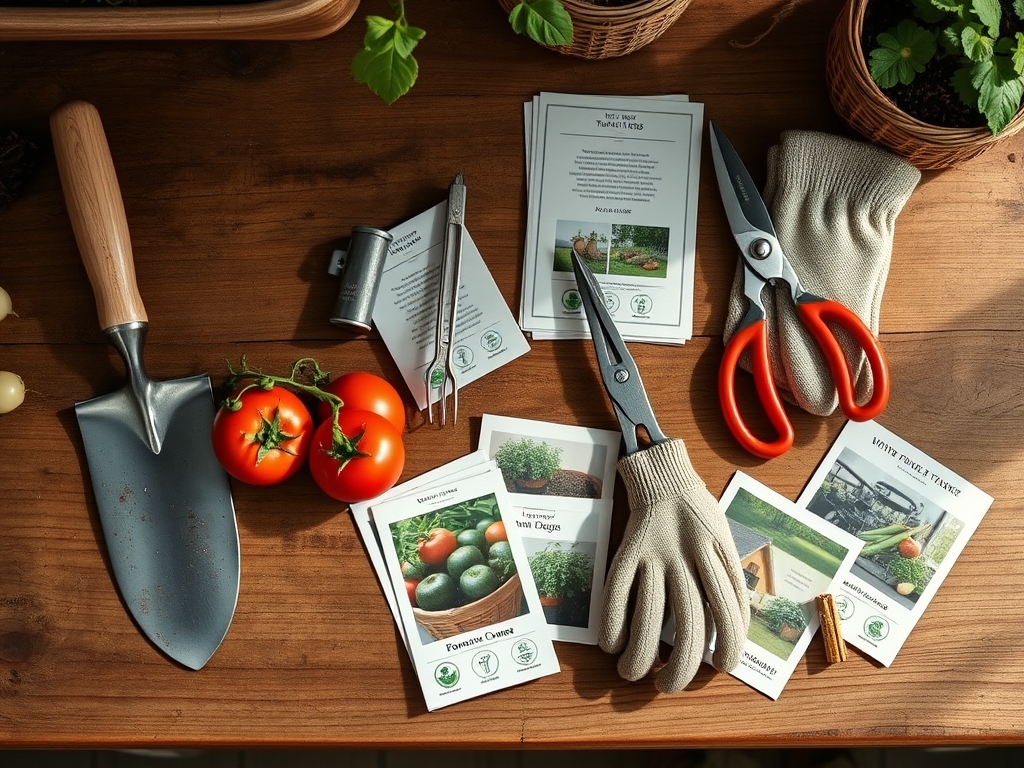
Successful cultivation begins with a **friable loam** substrate characterized by a **Cation Exchange Capacity (CEC) of 15 to 25**. The soil must maintain a **pH between 6.2 and 6.8** to ensure the bioavailability of micronutrients like molybdenum and boron. For the vegetative stage, utilize a fertilizer with an **NPK ratio of 10-10-10** to establish structural integrity. Once the plant transitions to the reproductive phase, shift to a **5-10-10 or 4-18-38 (Masterblend)** formula. High potassium (K) levels are critical for regulating osmotic pressure and enhancing the sugar content of the fruit. Ensure your bypass pruners are sterilized with **70 percent isopropyl alcohol** to prevent the mechanical transmission of tobacco mosaic virus or bacterial speck.
Timing:
In Hardiness Zones 5 through 9, the window for pruning is dictated by the transition from the vegetative stage to the first flower cluster. You must wait until the plant reaches a height of 12 to 18 inches before removing any foliage. This usually occurs 20 to 30 days post-transplant. Monitor the biological clock of the plant; once the first inflorescence appears, the plant begins diverting energy from apical growth to fruit production. Pruning must be completed before the canopy becomes too dense, which typically happens when daytime temperatures consistently exceed 75 degrees Fahrenheit. Late-season pruning is counterproductive for determinate Romas, as it can lead to sunscald on the ripening fruit due to a lack of canopy cover.
Phases:
Sowing and Germination
Seeds require a constant substrate temperature of 70 to 80 degrees Fahrenheit for optimal germination. Use a sterile seed-starting mix with low salinity to avoid osmotic stress on the emerging radicle.
Pro-Tip: Maintain high light intensity to prevent "legginess," a condition caused by positive phototropism where the hypocotyl elongates excessively in search of photons, resulting in a weak vascular structure.
Transplanting and Hardening Off
Introduce seedlings to the outdoors over a 7 to 10 day period. When transplanting, bury the stem up to the first set of true leaves. This encourages the development of adventitious roots along the buried stem.
Pro-Tip: Inoculate the planting hole with mycorrhizal fungi. This symbiosis expands the root surface area, significantly increasing the plant's ability to uptake phosphorus and water during periods of drought stress.
Establishing and Early Pruning
Once the plant is established, remove all "suckers" (axillary shoots) located below the first flower cluster. This creates a "clear trunk" of approximately 6 to 8 inches from the soil line.
Pro-Tip: This technique utilizes auxin suppression. By removing lower axillary buds, you concentrate the plant's auxins and cytokinins into the upper canopy, promoting a more robust main stem and better airflow within the rhizosphere.
The Clinic:
Physiological disorders often mimic infectious diseases. Accurate diagnosis is essential for crop preservation.
Symptom: Blossom End Rot (leathery black patch on the fruit base).
Solution: This is caused by a calcium deficiency within the fruit tissue, often triggered by inconsistent moisture levels rather than a lack of calcium in the soil.
Fix-It: Maintain a consistent moisture profile using a soil moisture meter; ensure the soil never drops below 40 percent field capacity.
Symptom: Nitrogen Chlorosis (yellowing of older, lower leaves).
Solution: The plant is mobilizing nitrogen from older tissues to support new growth.
Fix-It: Apply a side-dressing of blood meal or calcium nitrate at a rate of 1 tablespoon per plant to restore nitrogen levels.
Symptom: Leaf Roll (upward curling of leaves without discoloration).
Solution: This is a physiological response to excessive heat or high light intensity to reduce transpiration.
Fix-It: Provide 30 percent shade cloth when temperatures exceed 90 degrees Fahrenheit to lower the leaf surface temperature.
Maintenance:
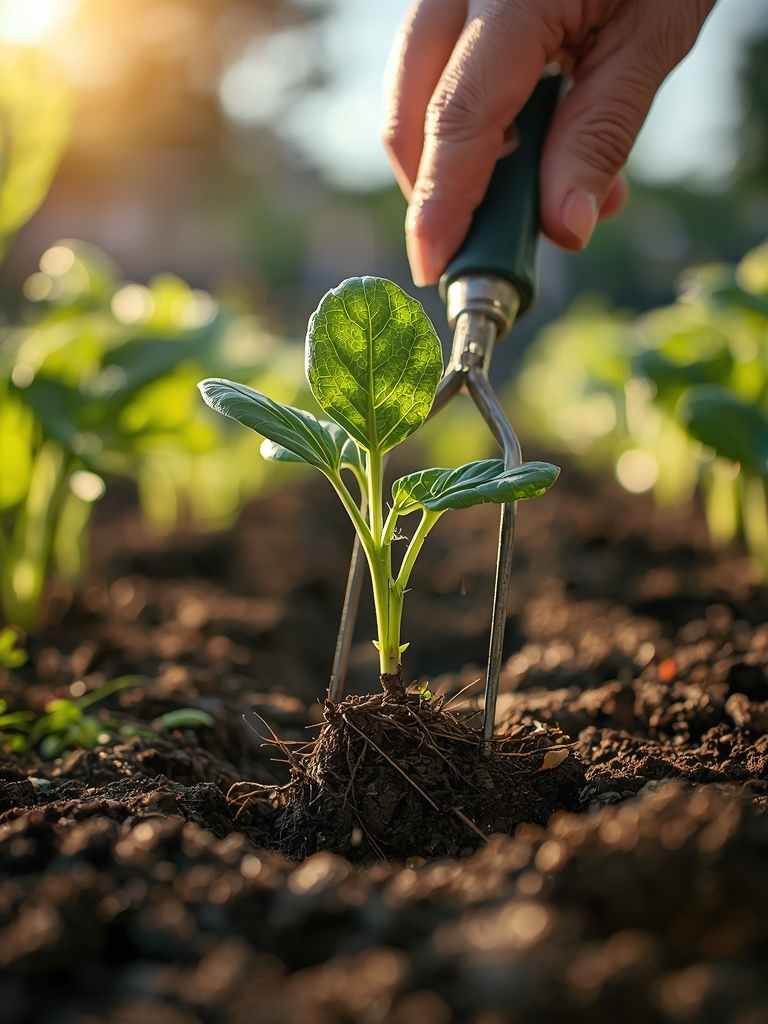
Precision irrigation is the cornerstone of Roma tomato health. Provide 1.5 inches of water per week delivered directly to the drip line. Avoid overhead irrigation to prevent the germination of fungal spores on the leaf surface. Use a hori-hori knife to remove deep-rooted weeds that compete for nutrients within the top 6 inches of soil. Every 14 days, inspect the main stem for structural integrity. If the fruit load causes the stem to bow, use soft garden twine to secure it to a heavy-duty stake. Use bypass pruners for any stems thicker than a pencil; smaller succulent growth can be pinched off with the thumb and forefinger.
The Yield:
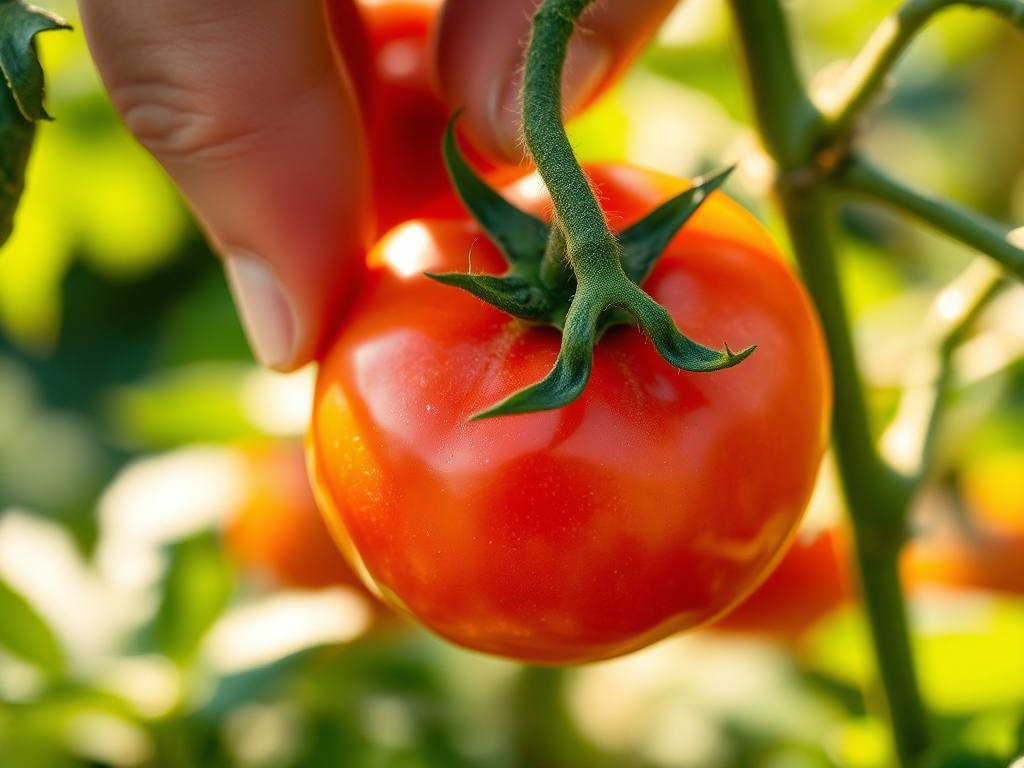
Harvest Roma tomatoes when they reach the "pink" or "breaker" stage, where the fruit is at least 50 percent red. This prevents fruit cracking and reduces the risk of avian predation. At this stage, the fruit has reached physiological maturity and will continue to ripen off the vine without losing flavor. To harvest, grasp the fruit and snap the pedicel at the "knuckle" located just above the calyx. For "day-one" freshness, store harvested tomatoes at 55 to 60 degrees Fahrenheit. Never refrigerate fresh tomatoes; temperatures below 50 degrees Fahrenheit damage the cell membranes and deactivate the enzymes responsible for aroma and flavor.
FAQ:
Should I prune all suckers on Roma tomatoes?
No. Only remove suckers below the first flower cluster. Roma tomatoes are determinate; removing upper suckers significantly reduces your total yield because each sucker terminates in a fruit cluster.
What is the best tool for pruning tomato stems?
Use sterilized bypass pruners for clean cuts on woody stems. For small, green axillary shoots, use your fingers to "snap" the growth, which creates a smaller wound that heals faster than a crushed cut.
How do I prevent disease while pruning?
Always prune during dry weather. Moisture on open plant wounds facilitates the entry of pathogens. Sterilize tools with 70 percent isopropyl alcohol between every plant to prevent cross-contamination of viral or bacterial loads.
Can I prune Roma tomatoes to limit their height?
Do not "top" a Roma tomato plant. Because they are determinate, they have a genetically programmed height. Cutting the main leader will stop all further growth and significantly reduce the final harvest volume.